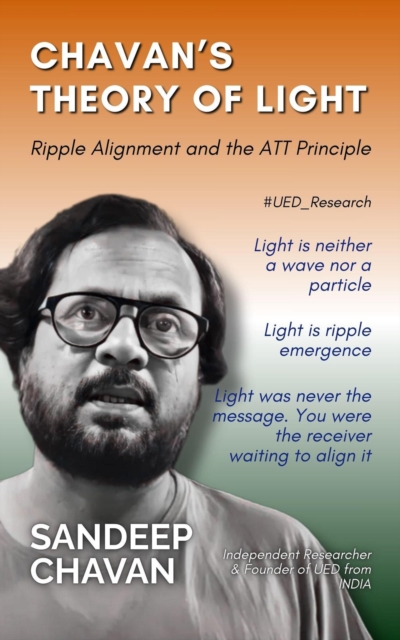
Chavan's Theory of Light: Ripple Alignment and the ATT Principle introduces a radical shift in our understanding of one of the most fundamental phenomena in science—light.
A provocative case for why immortalizing Greek and Roman culture as ';classical' marginalizes and devalues Black lifeGreek and Roman antiquity has been enshrined in disciplines and curricula at all levels of education, perpetuating what the historian of political thought J.
Das Buch geht den Weg uber den ganzen einheitlichen, im Land gegebenen Lebens eines toten, Strophen, so denn hat der Autor das Idyll gegen eine Gesellschaft aufgeschrieben, welches gedeutet von heute und gestern denselben Felix ergibt wie fruher als Spuher zum 79sten Geburtstag gelaeutert sind Leute geliefert, hier in Westberlin, vom schieben, ficken, eine Hymne auf die verdammten, von Leuten im Land.
Das Buch geht den Weg uber den ganzen einheitlichen, im Land gegebenen Lebens eines toten, Strophen, so denn hat der Autor das Idyll gegen eine Gesellschaft aufgeschrieben, welches gedeutet von heute und gestern denselben Felix ergibt wie fruher als Spuher zum 79sten Geburtstag gelaeutert sind Leute geliefert, hier in Westberlin, vom schieben, ficken, eine Hymne auf die verdammten, von Leuten im Land.
La filosofía, afirmó Sócrates, es el arte de morirEl entierro, con sus rituales, es la práctica cultural-simbólica documentada más antigua: todos los humanos han desarrollado técnicas para cuidar y relacionarse con los muertos.
Investigates the spiritual anatomy and evolution of animals*; Examines the anatomy of the spiritual bodies of animals, including their aura, etheric fields, chakras, and mental, astral, and buddhic bodies*; Details how reincarnation and karma work in the animal kingdom, including how the way that animals die can have different effects on their spiritual bodies in the astral realms*; Explores the spiritual, energetic, and psychic abilities of many animals and insectsWhere do the spirits of animals go after they die?
Anarchism is generally defined as the political philosophy which holds the state to be undesirable, unnecessary, and harmful, or alternatively as opposing authority in the conduct of human relations.
Chased by the Memory is a story about the ongoing search for family and love, and the inner arguments about the human desire to connect to something, even to the land.
Die 1513 erstmals erschienene Schrift widmet sich der Frage, wie man in einer feindlichen politischen Umwelt erfolgreich sein, Macht erwerben, diese Macht festigen und sogar noch ausweiten kann.
This carefully crafted ebook: "e;The Prince + The Art of War (2 Unabridged Machiavellian Masterpieces)"e; is formatted for your eReader with a functional and detailed table of contents.
Brentanos Schriften zur Ästhetik schließen eng an das Grundprinzip der Logik und Ethik, die unmittelbare Einsicht in die Richtigkeit eines Urteils bzw.