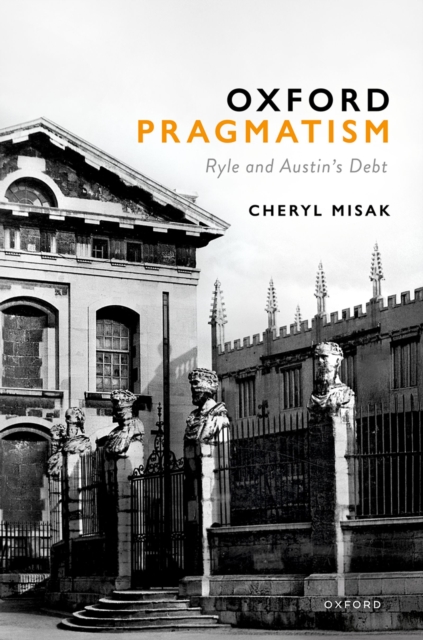
Oxford Pragmatism uncovers and explores the unrecognized impact of American pragmatism on the Oxford linguistic philosophy that thrived from the 1930s to the 1950s, made famous by Gilbert Ryle and J.
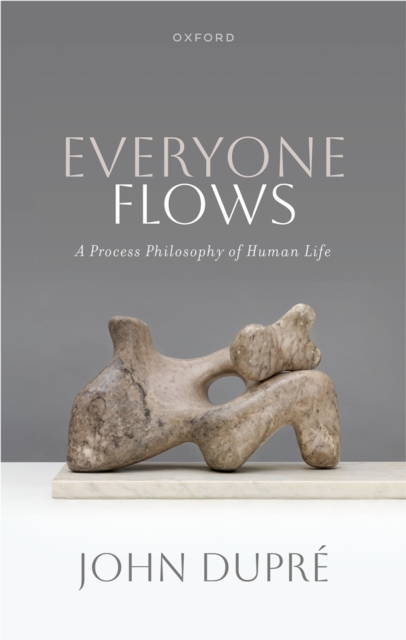
Everyone Flows starts with an ancient and fundamental philosophical question: whether we live in a world of things, stable, autonomous, and with sharp boundaries, or a world of processes in flux, in which stabilities are only transient and processes are inextricably intertwined with one another.
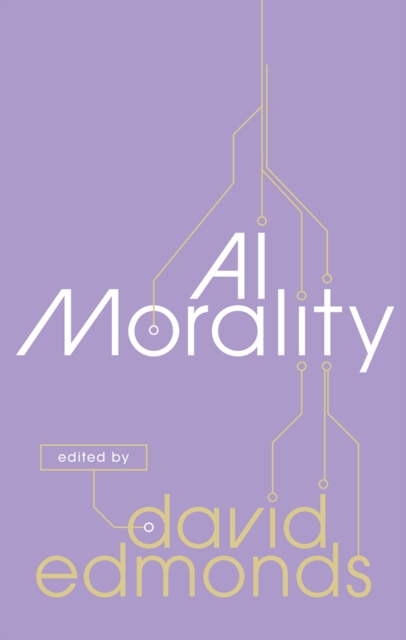
A philosophical task force explores how AI is revolutionizing our lives - and what moral problems it might bring, showing us what to be wary of, and what to be hopeful for.
A philosophical task force explores how AI is revolutionizing our lives - and what moral problems it might bring, showing us what to be wary of, and what to be hopeful for.
An illuminating exploration of the psychology of false belief that lies at the root of science denialism, political polarization, and rampant belief in misinformation and disinformation.
Feminizing Political Institutions considers representation from a new perspective by looking at how changes within the demographic composition of a political institution can change the way citizens think about and engage with politics.
A powerful and important exploration of how addiction functions on social, psychological and biological levels, integrated with the experience of being an addict, from an acclaimed philosopher and former addict.
Everyone Flows starts with an ancient and fundamental philosophical question: whether we live in a world of things, stable, autonomous, and with sharp boundaries, or a world of processes in flux, in which stabilities are only transient and processes are inextricably intertwined with one another.
Motivational hedonism (often called "e;psychological hedonism"e;) claims that everything we do is done in pursuit of pleasure (in the widest sense) and to avoid pain and displeasure (again, in the widest sense).
Motivational hedonism (often called "e;psychological hedonism"e;) claims that everything we do is done in pursuit of pleasure (in the widest sense) and to avoid pain and displeasure (again, in the widest sense).
Immanuel Kant introduced a new paradigm into modern moral philosophy, first with his Groundwork for the Metaphysics of Morals in 1785, followed by his Critique of Practical Reason in 1788, Religion within the Boundaries of Mere Reason in 1793, and Metaphysics of Morals in 1798.
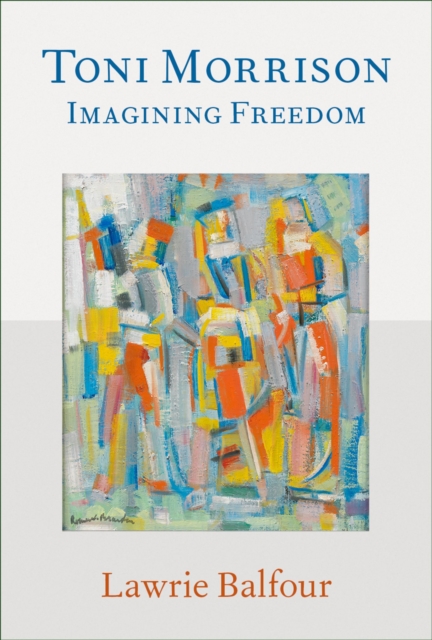
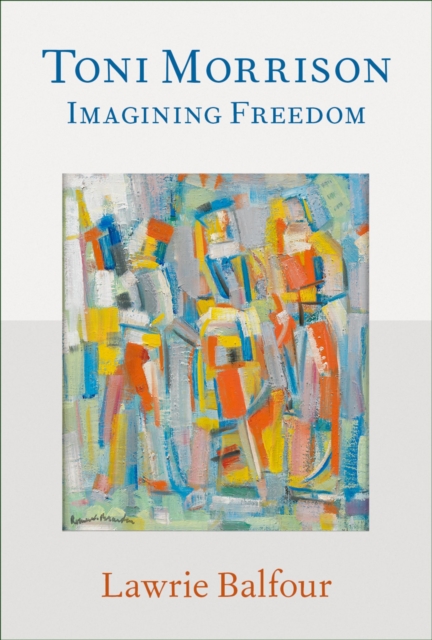
When Toni Morrison declares that she "e;can't wait for the ultimate liberation theory to imagine its practice and do its work,"e; she raises an issue at the heart of modern political thought: How should we understand freedom?
When Toni Morrison declares that she "e;can't wait for the ultimate liberation theory to imagine its practice and do its work,"e; she raises an issue at the heart of modern political thought: How should we understand freedom?
When Barack Obama nominated Sonia Sotomayor to the US Supreme Court, his comments that a judge should have "e;the heart, the empathy, to recognize what it's like to be a young teenage mom, the empathy to understand what it's like to be poor or African-American or gay, disabled, or old"e; caused a furor.
Many nations that are rich in oil and natural resources are plagued by undemocratic politics, war and civil conflict, corrupt governments, and volatile economies.
When Barack Obama nominated Sonia Sotomayor to the US Supreme Court, his comments that a judge should have "e;the heart, the empathy, to recognize what it's like to be a young teenage mom, the empathy to understand what it's like to be poor or African-American or gay, disabled, or old"e; caused a furor.
Many nations that are rich in oil and natural resources are plagued by undemocratic politics, war and civil conflict, corrupt governments, and volatile economies.
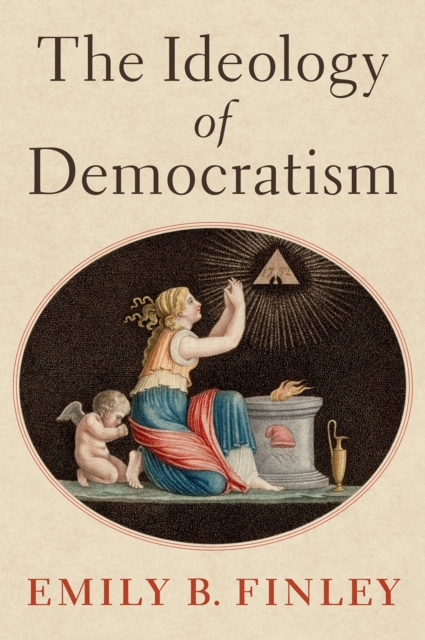
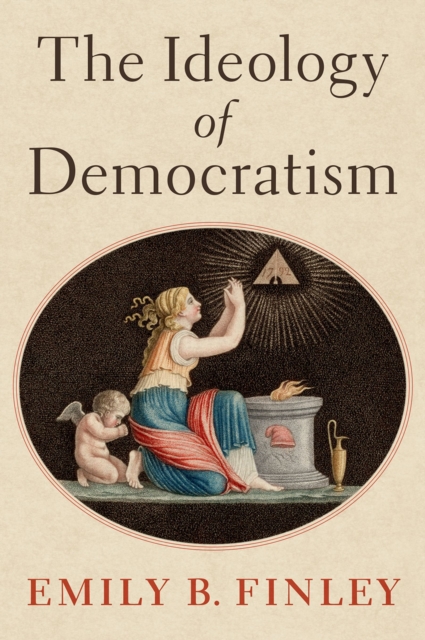
A unique reinterpretation of democracy that shows how history's most vocal champions of democracy from Jean-Jacques Rousseau and Thomas Jefferson to John Rawls have contributed to a pervasive, anti-democratic ideology, effectively redefining democracy to mean "e;rule by the elites.
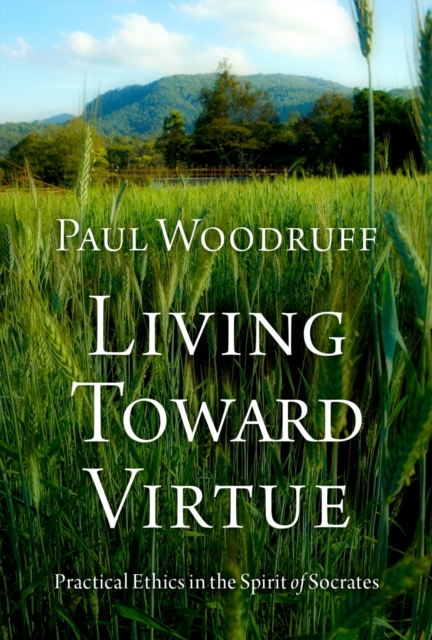
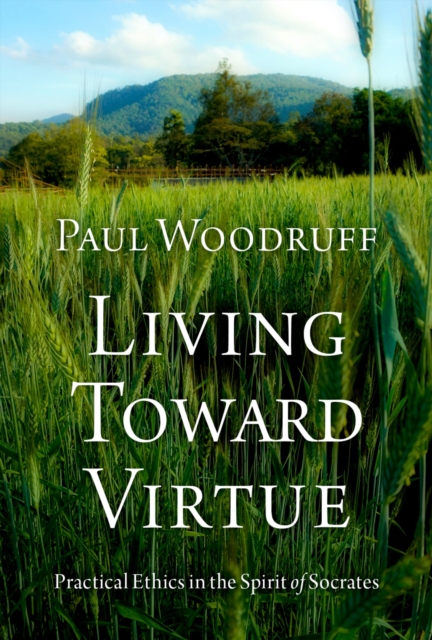
In Living toward Virtue, Paul Woodruff shows how we can set about living ethically through self-questioning, which enables us to avoid moral injury by getting clear about what we are doing and why we are doing it.
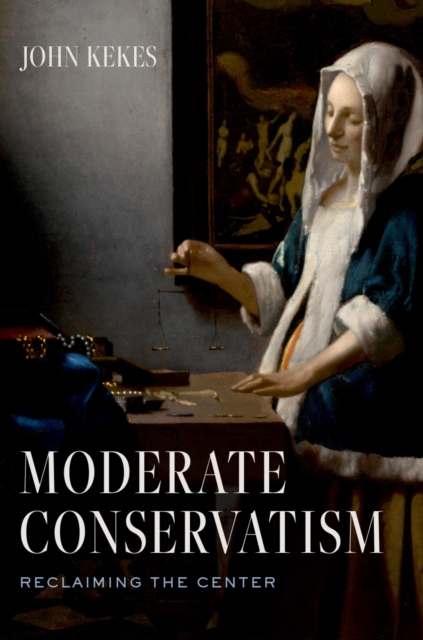
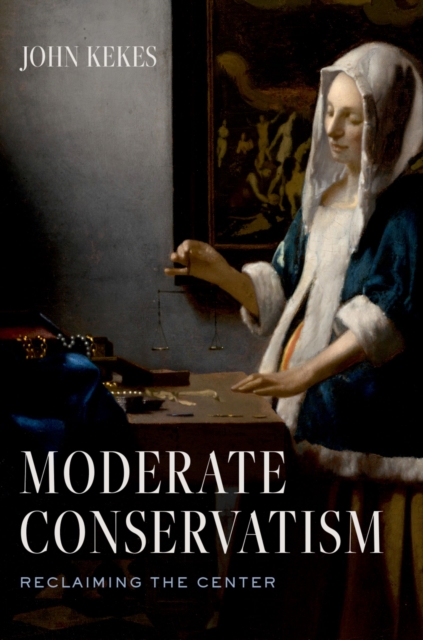
Moderate Conservatism: Reclaiming the Center by John Kekes is a response to attacks on the United States' 300-year-old constitutional democracy by extremists on the left and the right.
In Living toward Virtue, Paul Woodruff shows how we can set about living ethically through self-questioning, which enables us to avoid moral injury by getting clear about what we are doing and why we are doing it.
Moderate Conservatism: Reclaiming the Center by John Kekes is a response to attacks on the United States' 300-year-old constitutional democracy by extremists on the left and the right.
An original account of the role of ethical dispositions in the development of prosperous commercial societiesIn Solving Social Dilemmas, Roger Congleton provides an explanation for the rise of prosperous commercial societies.
An original account of the role of ethical dispositions in the development of prosperous commercial societiesIn Solving Social Dilemmas, Roger Congleton provides an explanation for the rise of prosperous commercial societies.
A unique reinterpretation of democracy that shows how history's most vocal champions of democracy from Jean-Jacques Rousseau and Thomas Jefferson to John Rawls have contributed to a pervasive, anti-democratic ideology, effectively redefining democracy to mean "e;rule by the elites.
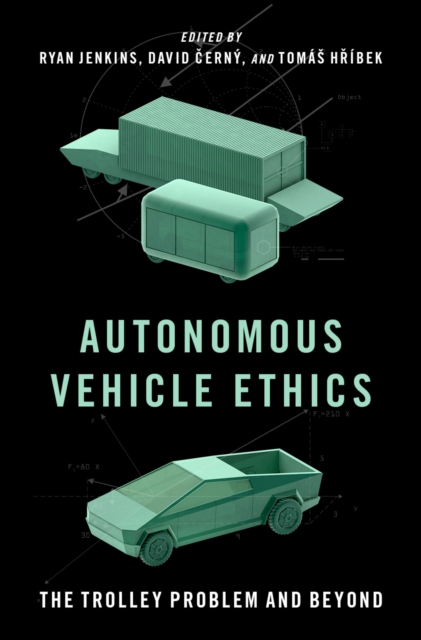
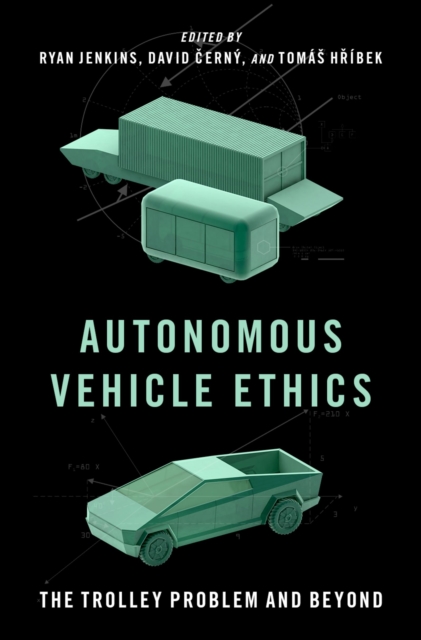
"e;A runaway trolley is speeding down a track"e; So begins what is perhaps the most fecund thought experiment of the past several decades since its invention by Philippa Foot.
"e;A runaway trolley is speeding down a track"e; So begins what is perhaps the most fecund thought experiment of the past several decades since its invention by Philippa Foot.