This volume examines the intertwined meanings of reason, crisis, and Europe against the backdrop of acute political, ethical, and geopolitical instability.
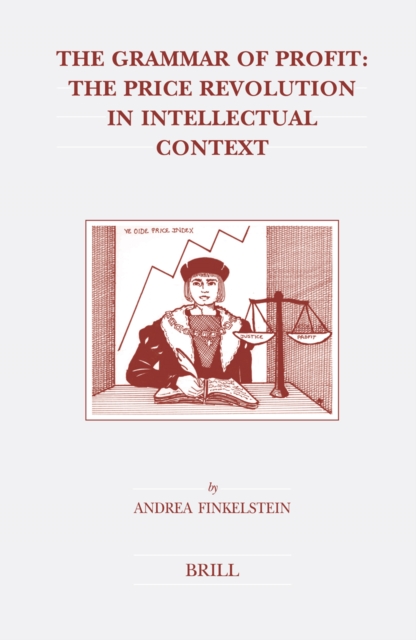
This study explores the relationship between the prevailing concept of "e;just profit"e; and contemporary reactions to the Sixteenth-Century Price Revolution by tracing the evolving meaning of "e;profit"e; in religious, political, and social discourse.
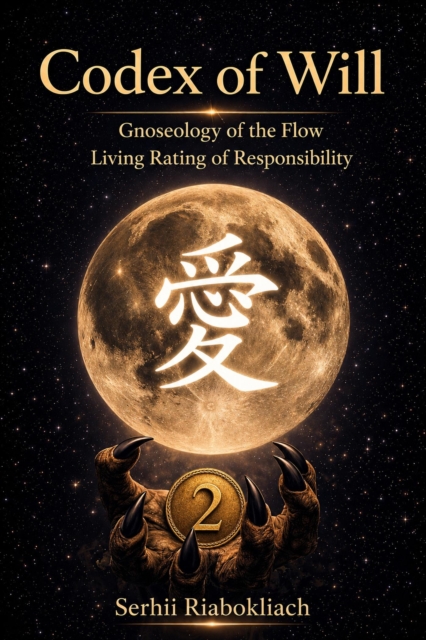
Codex of Will is a three-volume authorial philosophical and metaphorical system about Consciousness, Volia, responsibility, the Flow, and the possibility of a more conscious human society.
Neben der viel diskutierten phänomenologischen Reduktion ist es die Wesensschau (auch als Ideation, kategoriale Anschauung, freie Variation in der Phantasie usw.
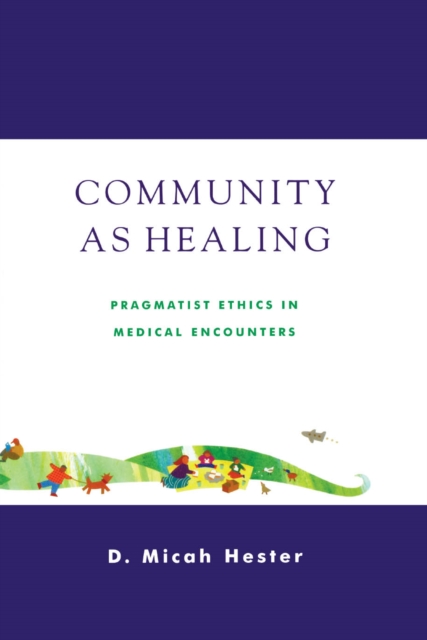
The brief history of 20th century bioethics has been dominated by discussions of principles and appeals to autonomy that both divorce theory from practice and champion a notion of the individual as prior to and isolated from society.
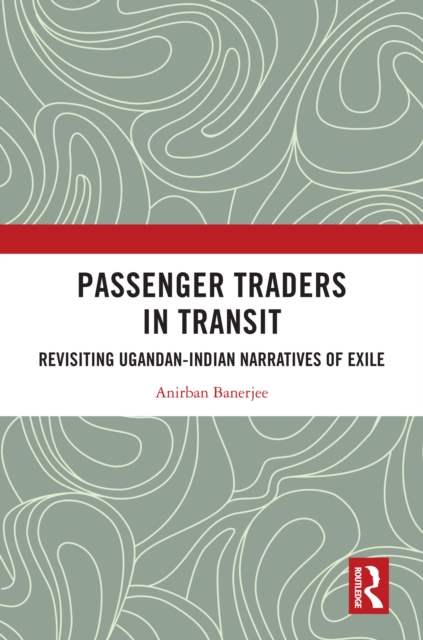
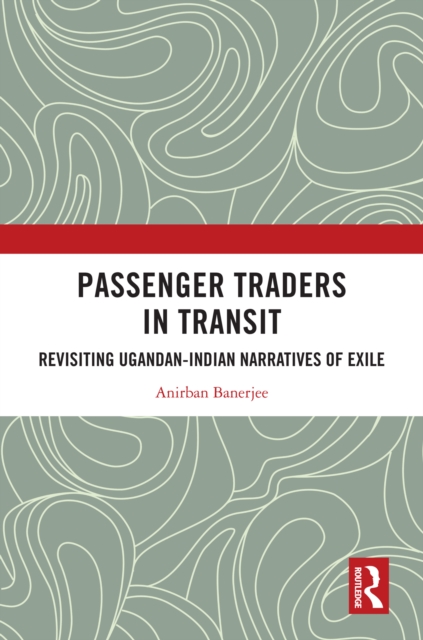
This monograph is one of the first scholarly investigations into the literary representations of the lived realities of Ugandan-Indians, often referred to as "e;Passenger Traders"e;, who were exiled in 1972 under the Idi Amin regime.
This book offers a comprehensive guide to the works of Seneca the Younger (4 BCE-65 CE), the foremost rhetorician, tragedian, and philosopher of his time who had a major role in the politics and culture of the age of Emperor Nero.
Electoral management bodies (EMBs), the institutions designated to manage political change inclusively and peacefully, must be trusted for election results to be accepted.
This book provides the first in-depth examination of philosophy and feminism in the works of Wittgenstein, exploring the diverse approaches within this emerging field The four thematic parts are accompanied by an introduction from the editors.
This volume examines the intertwined meanings of reason, crisis, and Europe against the backdrop of acute political, ethical, and geopolitical instability.
The brief history of 20th century bioethics has been dominated by discussions of principles and appeals to autonomy that both divorce theory from practice and champion a notion of the individual as prior to and isolated from society.
This book argues for workplace democracy on the grounds that it supports the development of fundamental human goods such as personal autonomy, self-development, and communal solidarity.
This book offers a comprehensive guide to the works of Seneca the Younger (4 BCE-65 CE), the foremost rhetorician, tragedian, and philosopher of his time who had a major role in the politics and culture of the age of Emperor Nero.
Electoral management bodies (EMBs), the institutions designated to manage political change inclusively and peacefully, must be trusted for election results to be accepted.
In Neomedievalism in International Relations: Scattering the International, Elucidating the Empire, we explore the evolution of Neomedievalism and its transformative role in rethinking world politics.
A new, more accessible translation of one of the most important philosophical works of the twentieth century Martin Heideggers seminal work Sein und Zeit (Being and Time) is an exploration of the founding conditions of our being in any world, and of the varying revelations that allow for radically different experiences of things.
This volume attempts to throw fresh light on two areas of Benjamin Franklin's intellectual world, namely: his self-fashioning and his political thought.
This book argues for workplace democracy on the grounds that it supports the development of fundamental human goods such as personal autonomy, self-development, and communal solidarity.
This volume attempts to throw fresh light on two areas of Benjamin Franklin's intellectual world, namely: his self-fashioning and his political thought.
In Neomedievalism in International Relations: Scattering the International, Elucidating the Empire, we explore the evolution of Neomedievalism and its transformative role in rethinking world politics.
This monograph is one of the first scholarly investigations into the literary representations of the lived realities of Ugandan-Indians, often referred to as "e;Passenger Traders"e;, who were exiled in 1972 under the Idi Amin regime.
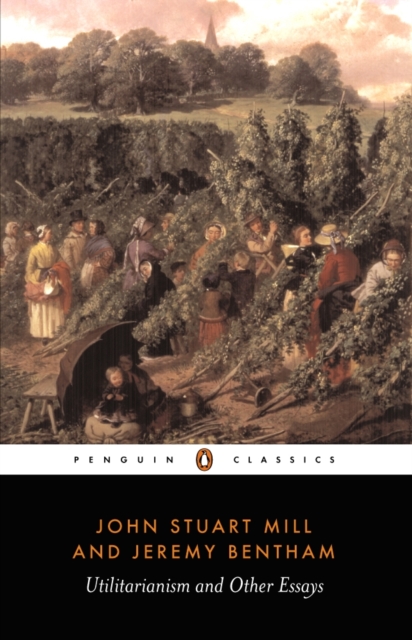
One of the most important nineteenth-century schools of thought, Utilitarianism propounds the view that the value or rightness of an action rests in how well it promotes the welfare of those affected by it, aiming for 'the greatest happiness of the greatest number'.