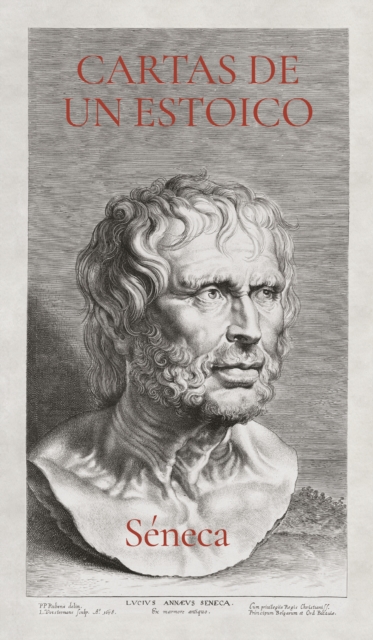
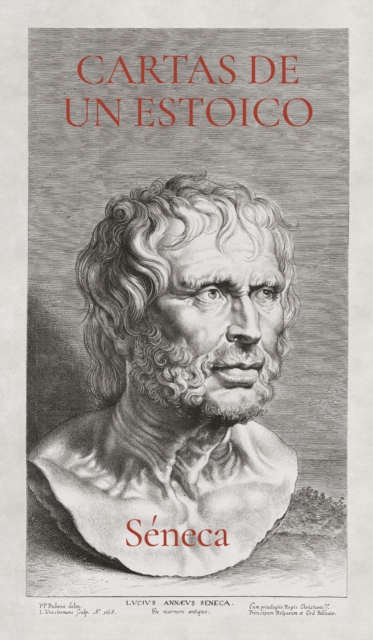
Discover the profound wisdom of one of humanity's most influential thinkers - a teacher whose words shaped civilizations, moral philosophy, leadership, and personal conduct for over 2,500 years.
A Beat That Never Dies: Think Beyond Vibrations is a transformative exploration of coherence—a harmonious alignment of the heart, mind, and spirit that empowers us to navigate life with clarity, resilience, and purpose.
La obra es un manual titulado ""Pensamiento Lógico"", escrito por Yazmin Adriana Gómez Clavijo y publicado por la Universidad Santo Tomás (USTA) en 2023.
Jean Birnbaum retoma, tras El coraje del matiz, el pulso de la política y la introspección con una pregunta aparentemente sencilla: ¿qué sucede cuando llega un hijo al mundo?
Simplicity, mindfulness, tranquility, attention to detail - all these elements of Japanese philosophy are nor only reflected in the famous tea ceremony but also in kaiseki cuisine.
Epicteto, uno de los más insignes representantes del estoicismo romano, nos dejó un legado breve y directo, pero también brillante, rotundo e imperecedero.
Derzeit findet ein kultureller Befreiungskampf statt: Junge Menschen wehren sich dagegen, dass ihr sexuelles Selbstverständnis verächtlich behandelt und unterdrückt wird.
Derzeit findet ein kultureller Befreiungskampf statt: Junge Menschen wehren sich dagegen, dass ihr sexuelles Selbstverständnis verächtlich behandelt und unterdrückt wird.
Frente a la ola de pensamiento positivo y optimismo banal, Mara van der Lugt nos muestra los efectos transformadores de pensar el futuro desde un sano pesimismo.
Este libro retoma, de manera audaz, la clasica pregunta por la tecnica en una epoca de meta-tecnologia, ensayando una perspectiva que vincula la filosofia, las teorias de la mediatizacion y los enfoques socio-culturales, para cuestionar la pretendida relacion de exterioridad de lo tecnico que aun circula en la doxa.
Monografico especial sobre Hannah Arendt:CRONOLOGIA DE ARENDT Fechas clave en su vidaBIOGRAFIA Una vida de guerras, muertes, amor y pensamientoFILOSOFIA HOY Hannah Arendt, una pensadora para el siglo XXIEN MI OPINION En compania de Hannah ArendtPor Stefania FantauzziEL TIEMPO DE ARENDT La maldicion de vivir en tiempos interesantesENTREVISTA Nuria Sanchez Madrid: Para Arendt, cualquier ser humano tiene la capacidad irrenunciable de juzgar los acontecimientos REPORTAJE Mi profesion es la teoria politica, yo no soy filosofa DOSIER Hannah Arendt y la epoca de las catastrofes: totalitarismo, democracia y libertadSILENCIO, SE PIENSA El juicio a Eichmann y la banalidad del malPENSAMIENTO EN ACCION El trabajo mas alla del trabajoFILOSOFIA&SOCIEDAD Revolucion: la busqueda de la libertadFILOSOFIA&POLITICA La violencia puede destruir el poder, pero es incapaz de crearlo EN DIALOGO Cartas de Arendt a sus amigosFILOSOFIA SIN FRONTERAS Pensar a Arendt desde LatinoamericaFILOSOFIA&LITERATURA La voz poetica de ArendtBIBLIOTECA Libros para leer, conocer y comprender a ArendtHERENCIA FILOSOFICA Arendt despues de ArendtEN MI OPINION Propaganda: peligro permanente para la democraciaPor Miriam Jerade
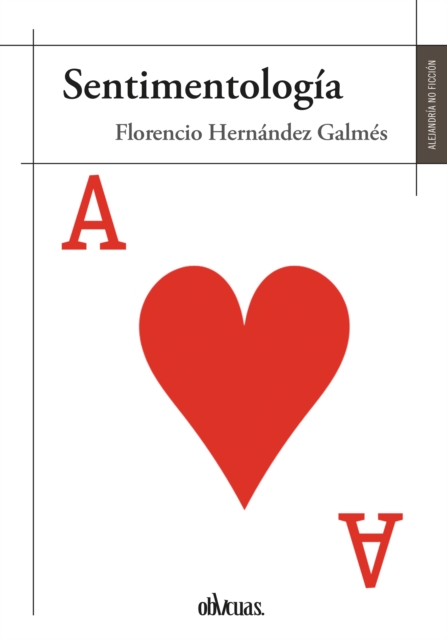
Sentimentología es una obra reflexiva y trascendental que explora la naturaleza del alma humana, el destino más allá de la muerte y la verdadera medida del valor personal: los actos, no las creencias.
Erfahrung, Logik und Intuition sind die drei Erkenntnisweisen, mit deren Hilfe die Dreiteilungshypothese vordergründig ausschließlich aufgestellt wurde und seitdem immer weiter ausgebaut wird.
Meditations on First Philosophy, one of René Descartes' greatest masterpieces, where the philosopher explores the foundations of truth, existence, and knowledge.
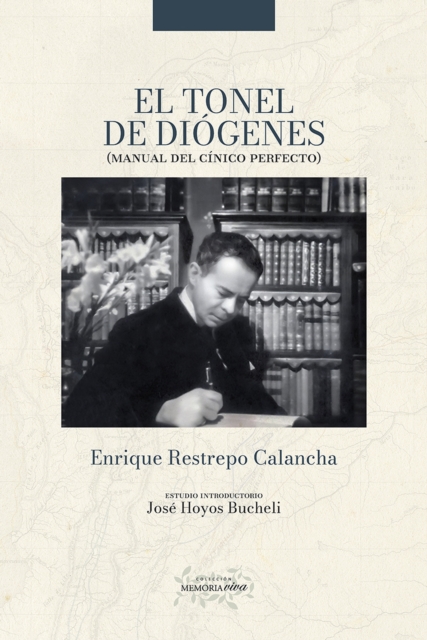
Este texto, publicado en 1925, se sitúa en una tendencia de escritura del pensamiento que tuvo su inicio, quizás, en la década de 1910 con los libros de aforismos de José María Vargas Vila.
In dit hoogst ongewone Reikiboek vertelt een van Nederlands eerste Reiki Masters Arianne Groeneveld hoe Reiki voor haar een weg naar Zelfrealisatie werd.