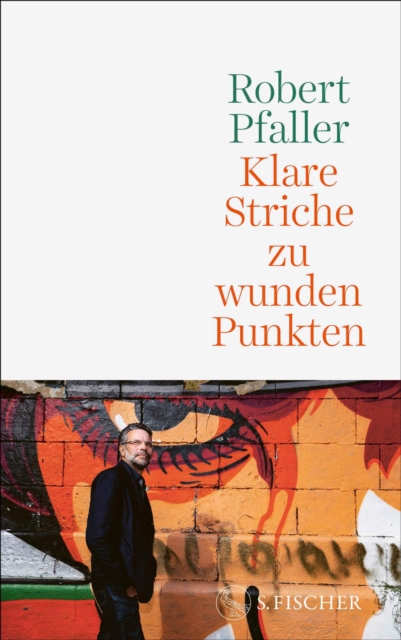
Philosophie im Alltags-CheckWas der Philosoph Robert Pfaller in seinen großen Büchern ausführlich hergeleitet hat, wird hier in knapper Form anhand akuteller Themen erklärt.
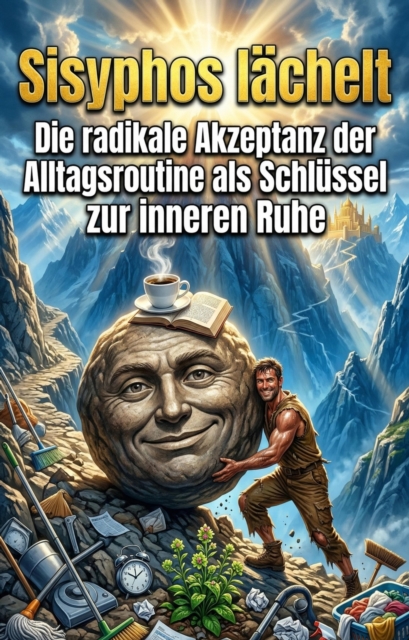
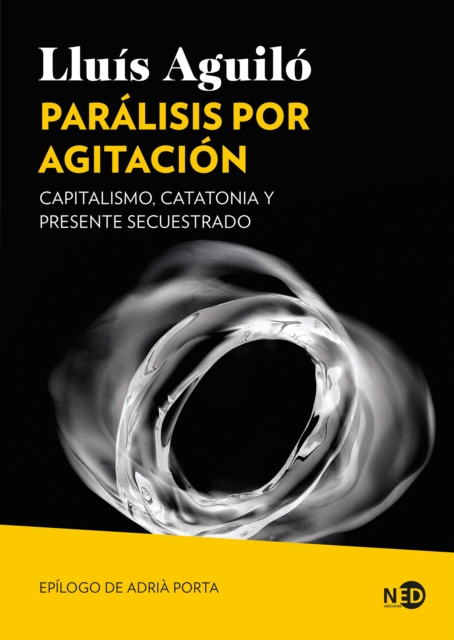
Wir leben in einer Gesellschaft, die uns ununterbrochen suggeriert, dass jeder Moment unseres Lebens außergewöhnlich, optimiert und voller tiefem Sinn sein muss.
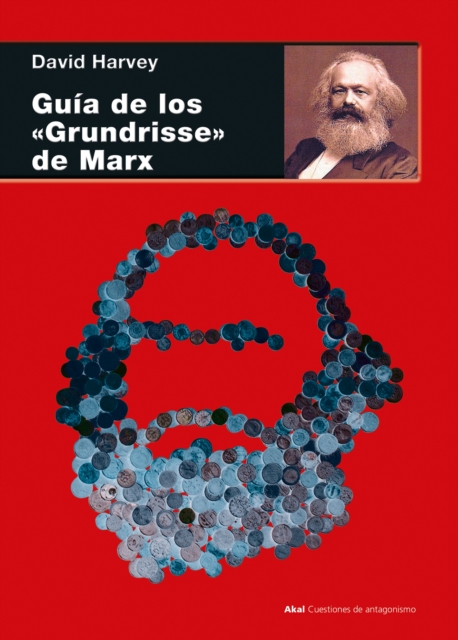
"Los Grundrisse, o Líneas fundamentales de la crítica de la economía política, constituyen un texto fundamental para el estudio del capitalismo en cuanto sistema socioeconómico.
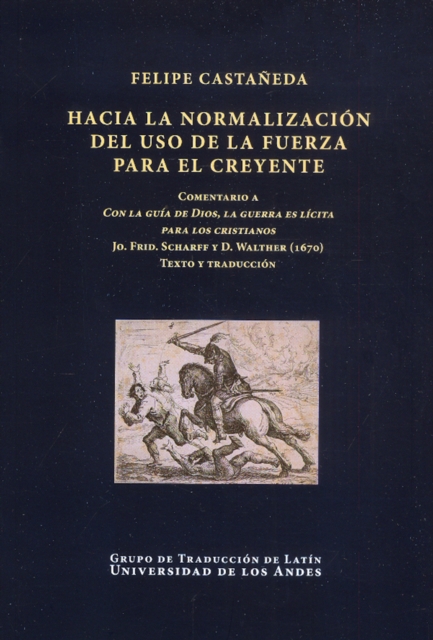
Hacia 1670, Daniel Walther sustenta en la Universidad de Wittenberg el trabajo de grado de Magister en Teologia Con la guia de Dios, la guerra es licita para los cristianos.
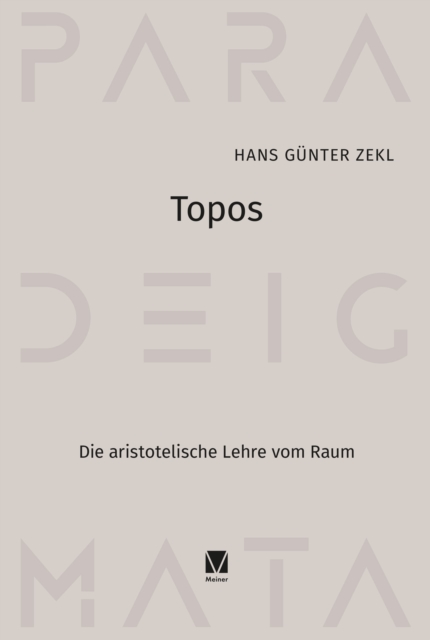
Der Kern dieser Studie der – traditionell als unbefriedigend angesehenen – Toposlehre des Aristoteles liegt darin, die überlieferten, teils fragmentarisch gebliebenen, teils offensichtliche Inkonsistenzen aufweisenden Textzeugnisse zur Toposlehre (Kategorienlehre, Physik) systematisch als Zeugnisse für die Momente der von Aristoteles vollzogenen Denkbewegung zu interpretieren und nicht nur als Teil- oder Bruchstücke des »Aristotelischen Systems«.
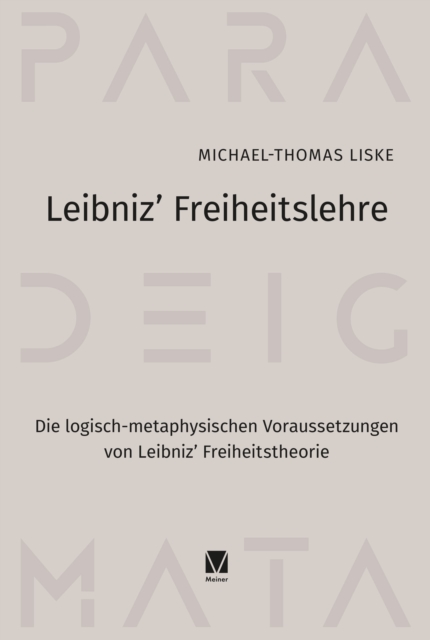
Leibniz' Denken ist von der Idee beherrscht, dass schlechthin alles, das Naturgeschehen ebenso wie das vernünftige Handeln, restlos erklärbar sein muss.
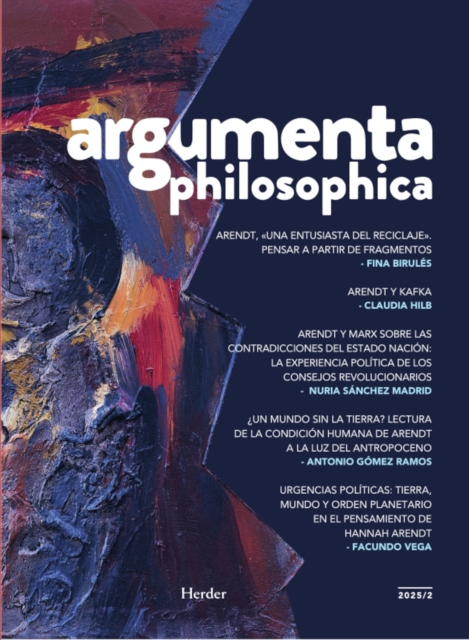
Son temática primordial de la revista las disciplinas clásicas de la filosofía y su historia: metafísica, epistemología, lógica, ética, filosofía de la ciencia y de la mente, filosofía de la religión, estética o filosofía de la historia.
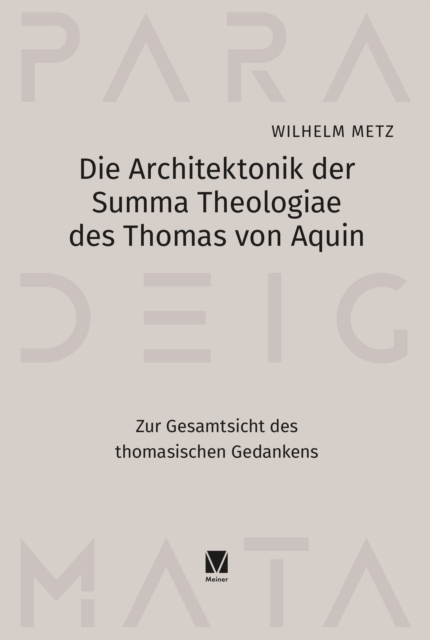
Metz erörtert Thomas' Begriff von Theologie, seinen bestimmten Bezug auf das Neue Testament, die Auseinandersetzung mit Augustinus sowie die Integration der aristotelischen Wissenschaft in die theologische Synthese.
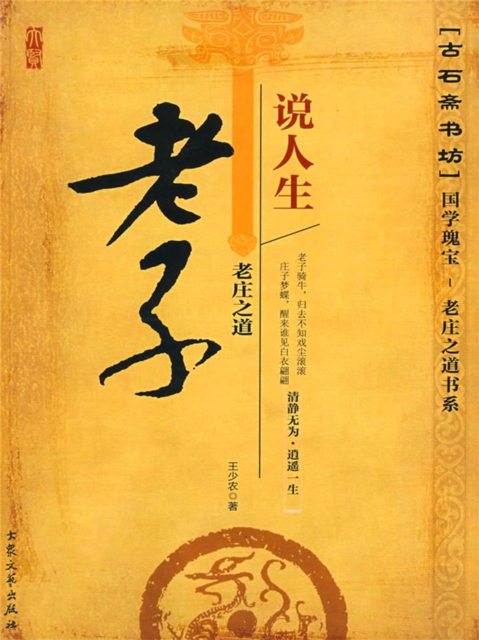
Aus den prophetischen und unterhaltsamen Vorträgen von Alan Watts zusammengestellt, skizziert »Das Tao jetzt – Die Weisheit des Wasserlaufs« den Weg des geringsten Widerstands für die zeitgenössische Kultur und präsentiert einen Leitfaden für die Umsetzung der Prinzipien und Praktiken des Tao und des Wu Wei (Tun ohne zu erzwingen): Nie waren diese Lehren so wertvoll wie heute!
Este libro colectivo llama la atencion sobre el caracter etico-politico de la reflexion de Michel Foucault, figura indiscutible del pensamiento contemporaneo.