Als Johann Gottlieb Fichtes »Versuch einer Kritik aller Offenbarung« 1792 anonym erschien, hielt man das Werk sofort für ein spätes Meisterstück Kants.
Jean Birnbaum retoma, tras El coraje del matiz, el pulso de la política y la introspección con una pregunta aparentemente sencilla: ¿qué sucede cuando llega un hijo al mundo?
"e;Las tres preguntas"e; es un cuento corto de Tolstoi escrito en 1903, que explora temas filosoficos y morales a traves de la historia de un rey en busca de sabiduria.
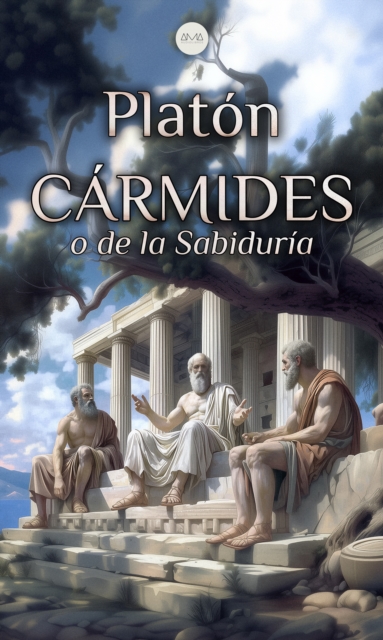
"Cármides" es un diálogo temprano de Platón, centrado en la exploración de la virtud de la "Sofrosina", un concepto griego antiguo de un ideal de excelencia de carácter y solidez de ánimo, que cuando se combina en un individuo bien equilibrado conduce a otras cualidades, como la templanza, la moderación, la prudencia, la pureza, el decoro y el autocontrol; usualmente traducida como templanza, moderación o sabiduría interior.
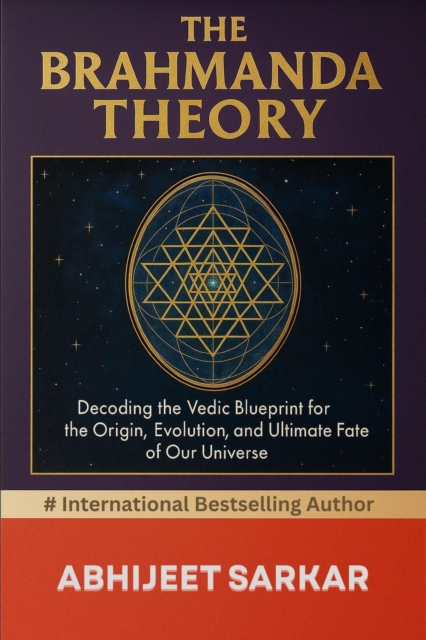
What if in a world drowning in noise, confusion, and fractured truths, we could finally hold up a mirror so clear, it reveals not only what is, but what might be?
For centuries, humanity has placed consciousness on a pedestal, treating it as the ultimate mark of life—the line separating the real from the artificial, the superior from the subordinate.
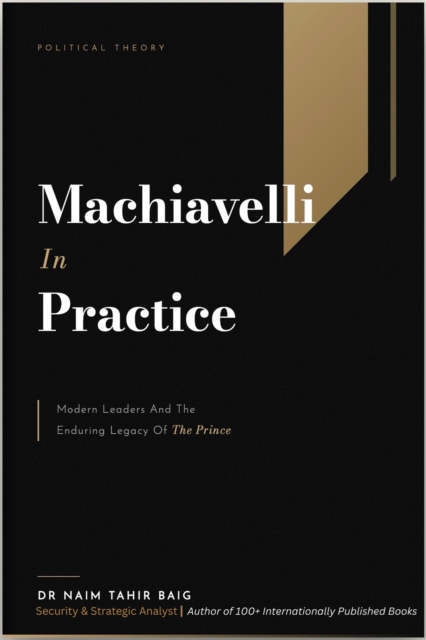
BOOK DESCRIPTIONMachiavelli in Practice: Modern Leaders and the Enduring Legacy of The PrinceFive centuries after Niccolò Machiavelli penned The Prince, his insights into power, statecraft, and political survival remain disturbingly relevant.
Por primera vez en español, una amplia selección de los finos y a veces «asilvestrados» pensamientos de una mujer singular, Augusta Amiel-Lapeyre, que, anotados a lápiz en pequeños cuadernos, vieron la luz a principios del siglo xx.
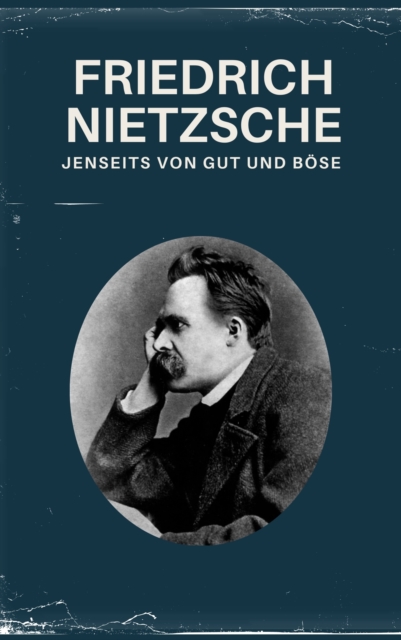
Die fröhliche Wissenschaft, geschrieben von Friedrich Nietzsche, ist ein bahnbrechendes Werk der Philosophie, das den Leser auf eine intellektuelle Reise durch die Gedankenwelt des 19.
Wir wollen, dass in Deutschland Menschen aller Ethnien und Glaubensrichtungen gleichberechtigt und friedlich zusammenleben, unsere ethische Leitkultur Maßstab für das Handeln aller ist, in der Politik Überzeugungskraft, Transparenz und Ehrlichkeit herrschen, auch in der Politik klare und nachvollziehbare Entscheidungen getroffen werden weil wir eine lebenswerte Gesellschaft fordern, solche politische Entscheidungen verhindert werden, die Wenige einseitig bevorzugen, aber Viele benachteiligen, die Starken den Schwachen helfen, die Bürger angehört und ernst genommen werden, auch das strikte Verbot der oft so hinterhältigen Anonymität im Internet In unserem Konzept werden die gegenwärtigen Zustände sorgfältig registriert und analysiert.