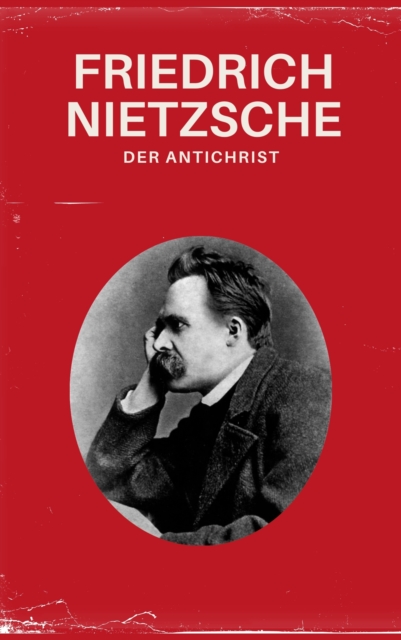
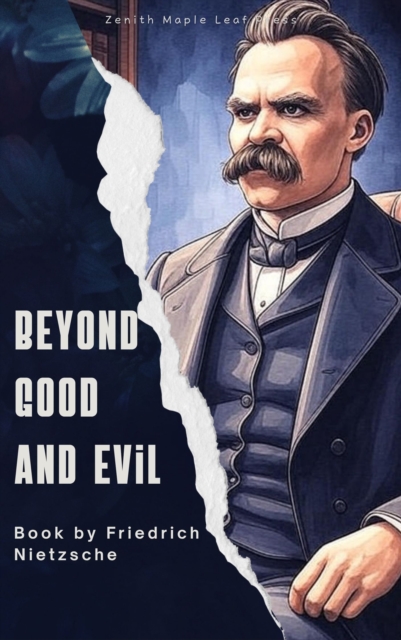
"Der Antichrist", verfasst von Friedrich Nietzsche, ist ein provokantes und bahnbrechendes Werk der Philosophie, das den Leser herausfordert, traditionelle Vorstellungen von Moral, Religion und Wahrheit zu überdenken.
The fundamental assumption behind the volume is that the current civilizational crisis, manifested in such phenomena as climate change, environmental catastrophes, pandemics and wars, puts into question the biopolitical means of optimizing the life of populations and individuals.
Albert Schweitzer gilt bis in die Gegenwart als großes Vorbild humanistischer Denkungsweise und gelebten Christentums; 1951 erhielt er den Friedenspreis des Deutschen Buchhandels und 1953 den Friedensnobelpreis.
Angesichts der gesellschaftlichen Debatten um die Natur des Menschen, um Geschlechter und Sexualität ist die Frage nach dem Subjekt heute aktueller denn je zuvor.
Ausgelöst durch politische Umwälzungen, Kriege und Vertreibungen kamen während der vergangenen 30 Jahre Millionen Menschen – Muslime, Christen und Juden – nach Deutschland.
A modern, tangible spirituality, philosophy, way of publishing, approaching a topic, namely that of showing a feasible, possible, livable path to thinking, feeling and acting in enlightenment.
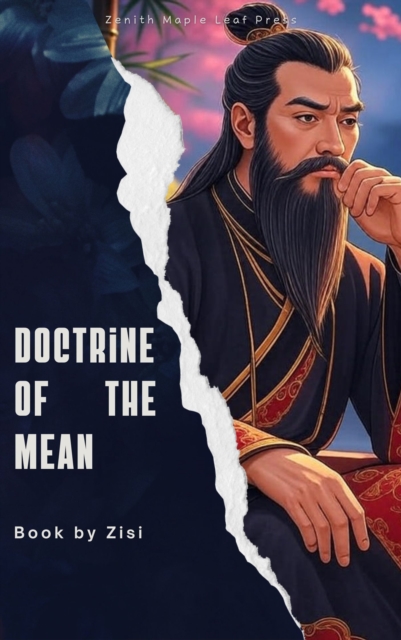
Discover the wisdom at the heart of Confucian philosophy with Zisi's Doctrine of the Mean-a timeless guide to harmony, virtue, and the cultivation of moral character.
Auf welche Weise verändert sich unsere Selbst- und Weltbeziehung, wenn ein schon ein verweigerter Gruß oder eine klischeehafte Verkleidung als Gewalt verstanden wird?
"Unverwertbar" diskutiert den fortschreitenden Zusammenbruch unserer globalisierten Welt aus drei unterschiedlichen Blickwinkeln: der Eliminierung von Arbeit durch technologische Automatisierung, der Auflösung unserer gemeinsamen sozialen Narrative und der subtilen Durchsetzung einer zunehmend alles durchdringenden ideologischen Ordnung, die kein Außen mehr toleriert.
»Kants Stil trägt durchweg das Gepräge eines überlegenen Geistes, ächter, fester Eigenthümlichkeit und ganz ungewöhnlicher Denkkraft; der Charakter desselben läßt sich vielleicht treffend bezeichnen als eine glänzende Trockenheit, vermöge welcher er die Begriffe mit großer Sicherheit fest zu fassen und herauszugreifen, dann sie mit größter Freiheit hin- und herzuwerfen vermag, zum Erstaunen des Lesers.
Die in diesem Buch vereinigten Aufsätze verdanken ihre Entstehung dem lebenslangen Auftrag, jeden Menschen als sich entwickelnde freie Persönlichkeit zu verstehen, die auf einem potenziell beständigen Ich-Kern fußt.
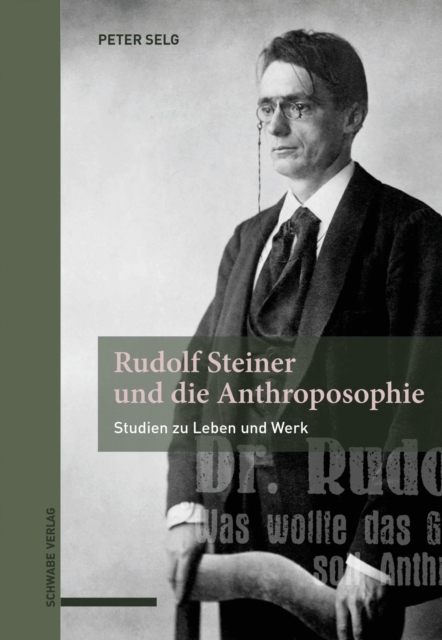
Das Buch stellt einerseits die Biografie Steiners in wissenschaftlichen Werketappen und wichtigsten Lebensphasen vor, andererseits informiert es über Steiners Initiativen nach dem Ende des Ersten Weltkriegs.
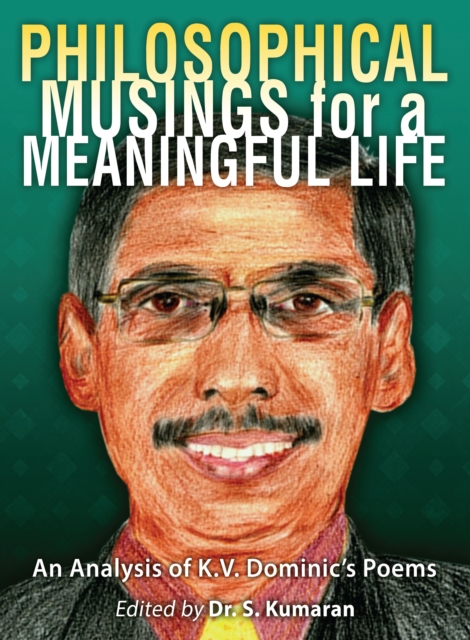
Inside one of Contemporary India's most Influential Poets The twenty-four papers in Philosophical Musings for a Meaningful Life study the poetry collections Winged Reason (2010), Write Son, Write (2011), and Multicultural Symphony (2014), of Dr.