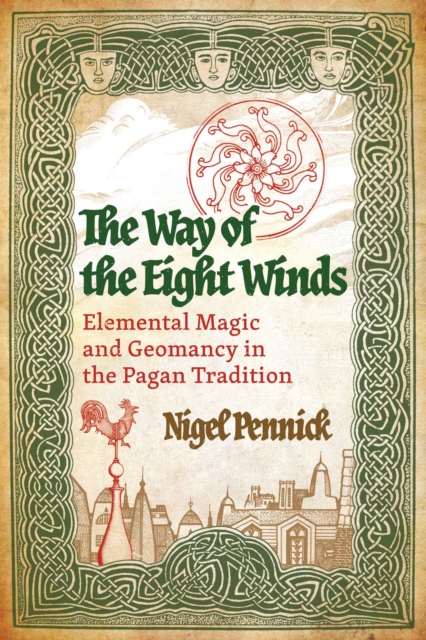
Examines the Eight Directions and the powers of their Winds, the Tides of the Day, and the eightfold year of modern Pagan practice Explores geomancy practices, how to work with spirits of place, and the power of mountains, rivers, caves, standing stones, and crossroads Shares spiritual exercises, including runic practices and divination techniques, as well as how to craft your own magical toolsIn this guide to the Way of the Eight Winds, Nigel Pennick explores the history and practice of traditional European Pagan spirituality, a path that recognizes and celebrates our relationship with the Cosmos and the creativity of Nature.
A Social History of Christian Origins explores how the theme of the Jewish rejection of Jesus - embedded in Paul's letters and the New Testament Gospels - represents the ethnic, social, cultural, and theological conflicts that facilitated the construction of Christian identity.
A Social History of Christian Origins explores how the theme of the Jewish rejection of Jesus - embedded in Paul's letters and the New Testament Gospels - represents the ethnic, social, cultural, and theological conflicts that facilitated the construction of Christian identity.
This volume examines Apuleius' comic donkey novel, The Golden Ass, within the context of the popular beliefs and Jewish and Christian writings that were part of the intellectual culture of his own day in 2nd century C.
This volume examines Apuleius' comic donkey novel, The Golden Ass, within the context of the popular beliefs and Jewish and Christian writings that were part of the intellectual culture of his own day in 2nd century C.
This book is the first in-depth comparative analysis of envy, jealousy, and vengefulness experienced by divine personalities in the Hebrew Bible and ancient Greek texts and the functions served by attributing negative emotions and traits to one's gods.
This book is the first in-depth comparative analysis of envy, jealousy, and vengefulness experienced by divine personalities in the Hebrew Bible and ancient Greek texts and the functions served by attributing negative emotions and traits to one's gods.
In this book Rowlands interrogates the theological and philosophical foundations of the 'Quest' for the historical Jesus, from Reimarus to the present day, culminating in a call for greater metaphysical transparency and diversity in the discipline.
In this book Rowlands interrogates the theological and philosophical foundations of the 'Quest' for the historical Jesus, from Reimarus to the present day, culminating in a call for greater metaphysical transparency and diversity in the discipline.
Zeus Syndrome: A Very Short History of Religion-Based Masculine Domination is a critical assessment of the biblical concepts of gender hierarchy and the intersection of sex/gender, power, and religion.
Zeus Syndrome: A Very Short History of Religion-Based Masculine Domination is a critical assessment of the biblical concepts of gender hierarchy and the intersection of sex/gender, power, and religion.
Biblical studies is increasingly interdisciplinary and frequently focuses on how the Bible is read, received, and represented in the contemporary world, including in politics, news media, and popular culture.
Biblical studies is increasingly interdisciplinary and frequently focuses on how the Bible is read, received, and represented in the contemporary world, including in politics, news media, and popular culture.
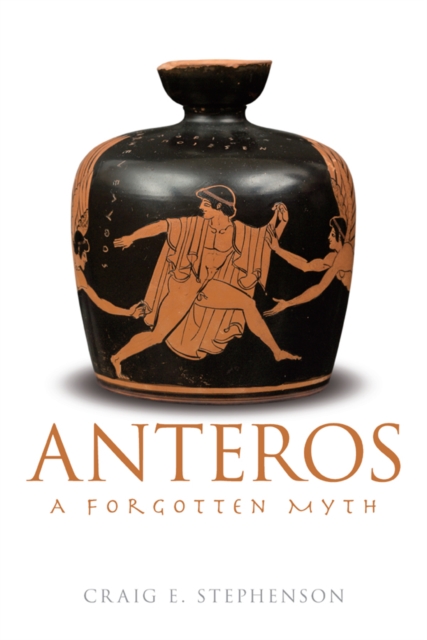
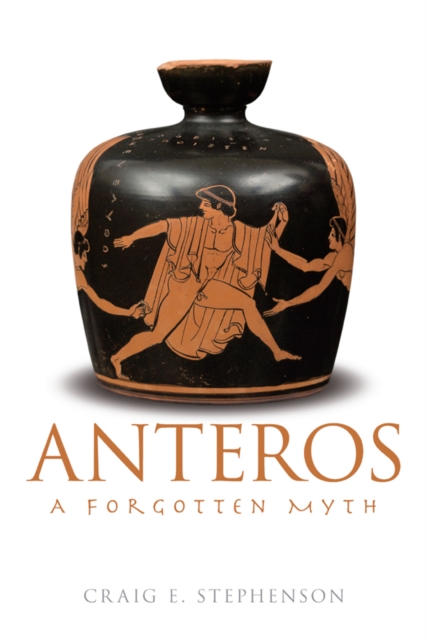
Anteros: A Forgotten Myth explores how the myth of Anteros disappears and reappears throughout the centuries, from classical Athens to the present day, and looks at how the myth challenges the work of Freud, Lacan, and Jung, among others.
Anteros: A Forgotten Myth explores how the myth of Anteros disappears and reappears throughout the centuries, from classical Athens to the present day, and looks at how the myth challenges the work of Freud, Lacan, and Jung, among others.
This book demonstrates that living martyrdom was an important spiritual aspiration in the late antique Latin west and argues that, consequently, attempts to define, study, or locate martyrdom must move away from conceptualizations that require or center on death.
This book demonstrates that living martyrdom was an important spiritual aspiration in the late antique Latin west and argues that, consequently, attempts to define, study, or locate martyrdom must move away from conceptualizations that require or center on death.
Carpocrates, Marcellina, and Epiphanes is the definitive study of the early Christian theologian Carpocrates, his son Epiphanes, and the leader of the Carpocratian movement in Rome, Marcellina.
Carpocrates, Marcellina, and Epiphanes is the definitive study of the early Christian theologian Carpocrates, his son Epiphanes, and the leader of the Carpocratian movement in Rome, Marcellina.
This volume advances our understanding of early Christianity as a lived religion by approaching it through its rites, the emotions and affects surrounding those rites, and the material setting for the practice of them.
This volume advances our understanding of early Christianity as a lived religion by approaching it through its rites, the emotions and affects surrounding those rites, and the material setting for the practice of them.
First published in 1981, Divination and Oracles analyses the religious practices of the ancient world as they have been witnessed from Scandinavia to Tibet and Japan, from the third millennium BC until the present day.
First published in 1981, Divination and Oracles analyses the religious practices of the ancient world as they have been witnessed from Scandinavia to Tibet and Japan, from the third millennium BC until the present day.
This book explores the early Jewish understanding of divine knowledge as divine presence, which is embodied in major biblical exemplars, such as Adam, Enoch, Jacob, and Moses.
This book explores the early Jewish understanding of divine knowledge as divine presence, which is embodied in major biblical exemplars, such as Adam, Enoch, Jacob, and Moses.
For millennia, people have universally engaged in ecstatic experience as an essential element in ritual practice, spiritual belief and cultural identification.
For millennia, people have universally engaged in ecstatic experience as an essential element in ritual practice, spiritual belief and cultural identification.
Monsters in Greek literature are often thought of as creatures which exist in mythological narratives, however, as this book shows, they appear in a much broader range of ancient sources and are used in creation narratives, ethnographic texts, and biology to explore the limits of the human body and of the human world.
Monsters in Greek literature are often thought of as creatures which exist in mythological narratives, however, as this book shows, they appear in a much broader range of ancient sources and are used in creation narratives, ethnographic texts, and biology to explore the limits of the human body and of the human world.