Music in Religious Cults of the Ancient Near East presents the first extended discussion of the relationship between music and cultic worship in ancient western Asia.
Music in Religious Cults of the Ancient Near East presents the first extended discussion of the relationship between music and cultic worship in ancient western Asia.
This volume examines the discussion of the Chaldean Oracles in the work of Proclus, as well as offering a translation and commentary of Proclus' Treatise On Chaldean Philosophy.
This volume examines the discussion of the Chaldean Oracles in the work of Proclus, as well as offering a translation and commentary of Proclus' Treatise On Chaldean Philosophy.
In this book, first published in 1948, an attempt has been made to provide an intelligible introduction to a somewhat complex aspect of scientific inquiry.
In this book, first published in 1948, an attempt has been made to provide an intelligible introduction to a somewhat complex aspect of scientific inquiry.
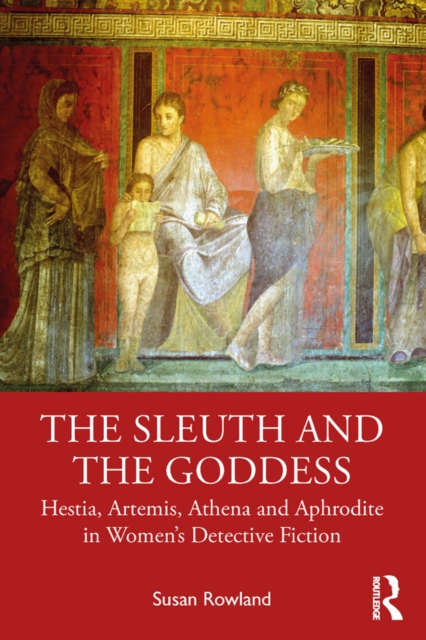
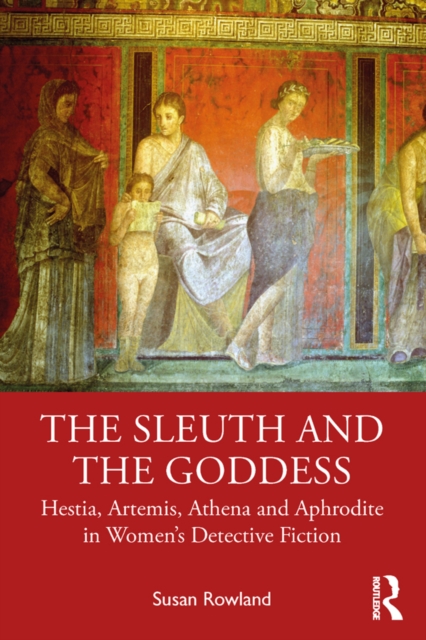
Rowland presents a detailed exploration of how the archetypes of ancient goddesses Hestia, Artemis, Athena and Aphrodite breathe into and shape female-authored detective fiction.
Rowland presents a detailed exploration of how the archetypes of ancient goddesses Hestia, Artemis, Athena and Aphrodite breathe into and shape female-authored detective fiction.
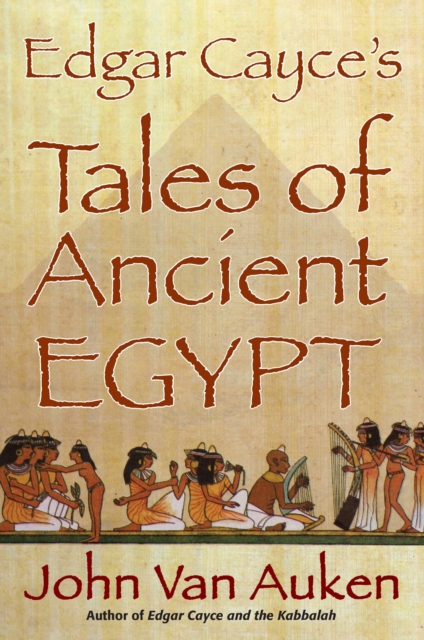
John Van Auken combines the collection of Egyptian past lives found in the Cayce readings with Egyptian legends that appear in papyruses, on temple walls, and in pyramid texts for a complete picture that reveals the full story of priestesses, healers, female pharaohs, and gods among humans.
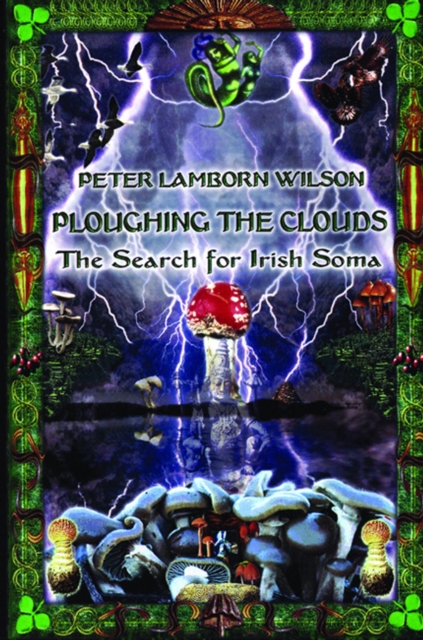
The Rig Veda, written in India about 1500BC, praises a holy plant called Soma, which is sacrificed and consumed, granting the drinker an experience of enlightenment and ecstasy.
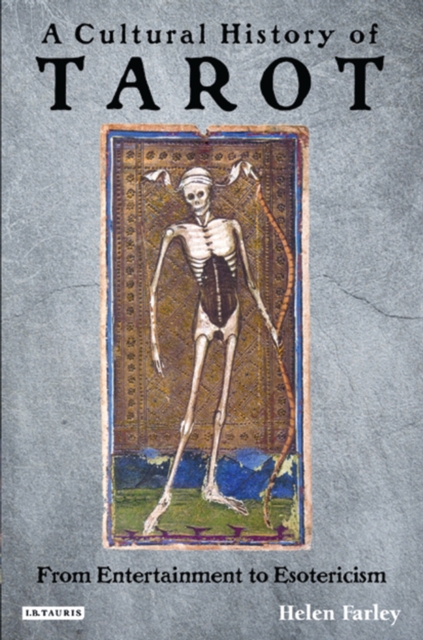
The enigmatic and richly illustrative tarot deck reveals a host of strange and iconic mages, such as The Tower, The Wheel of Fortune, The Hanged Man and The Fool: over which loom the terrifying figures of Death and The Devil.
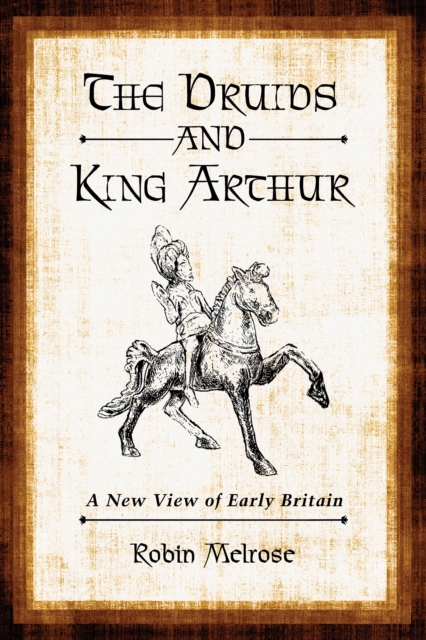
An exploration into the beliefs and origins of the Druids, this book examines the role the Druids may have played in the story of King Arthur and the founding of Britain.
AN ACCLAIMED, EMMY-NOMINATED TV SERIES ON AMAZON PRIME VIDEOWINNER OF THE HUGO, LOCUS AND BRAM STOKER AWARDS'To give him his full title: Neil Gaiman, Architect of Worlds, Svengali of Plot, Shaman of Character, Exploder of Clich , Master Craftsman of Style, Dreamer Laureate of the Republic of Letters' DAVID MITCHELL'Original, engrossing, and endlessly inventive' GEORGE R.
In this important new book, the distinguished Egyptologist Jan Assmann provides a masterful overview of a crucial theme in the religious history of the West - that of 'religio duplex', or dual religion.
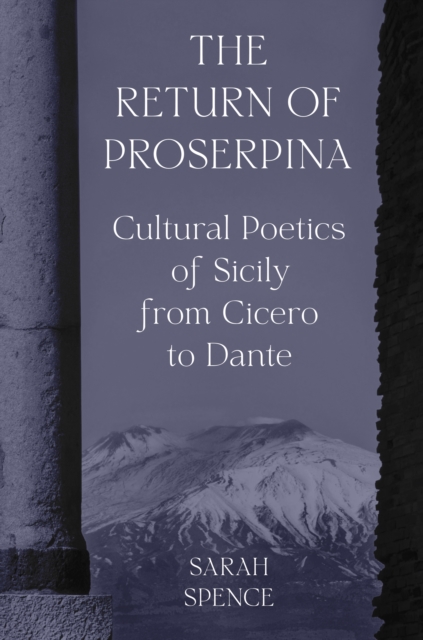
Sicily and the strategies of empire in the poetic imagination of classical and medieval EuropeIn the first century BC, Cicero praised Sicily as Rome's first overseas province and confirmed it as the mythic location for the abduction of Proserpina, known to the Greeks as Persephone, by the god of the underworld.
Although the reception of the Eastern Father Gregory of Nyssa has varied over the centuries, the past few decades have witnessed a profound awakening of interest in his thought.
Blood for Thoughtdelves into a relatively unexplored area of rabbinic literature: the vast corpus of laws, regulations, and instructions pertaining to sacrificial rituals.
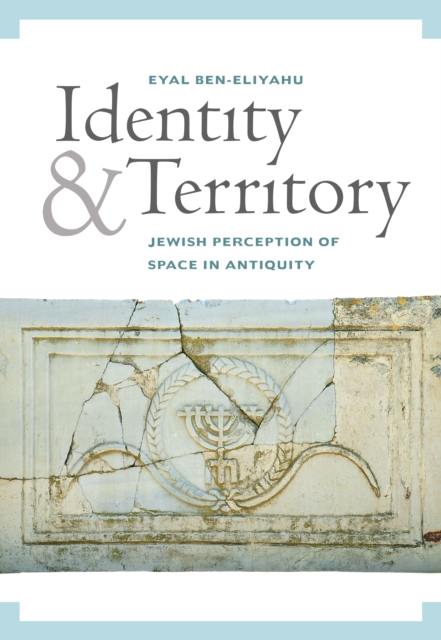
Throughout history, the relationship between Jews and their land has been a vibrant, much-debated topic within the Jewish world and in international political discourse.
Melania the Elder and her granddaughter Melania the Younger were major figures in early Christian history, using their wealth, status, and forceful personalities to shape the development of nearly every aspect of the religion we now know as Christianity.
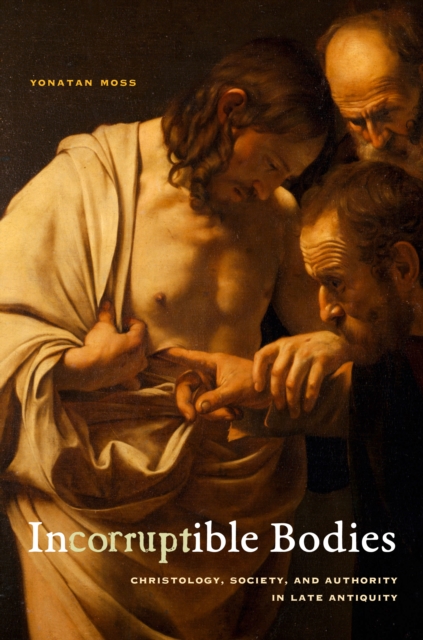
In the early sixth-century eastern Roman empire, anti-Chalcedonian leaders Severus of Antioch and Julian of Halicarnassus debated the nature of Jesuss body: Was it corruptible prior to its resurrection from the dead?
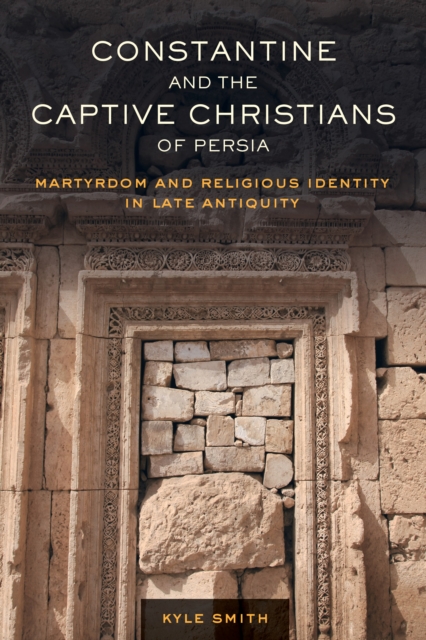
It is widely believed that the Emperor Constantine's conversion to Christianity politicized religious allegiances, dividing the Christian Roman Empire from the Zoroastrian Sasanian Empire and leading to the persecution of Christians in Persia.
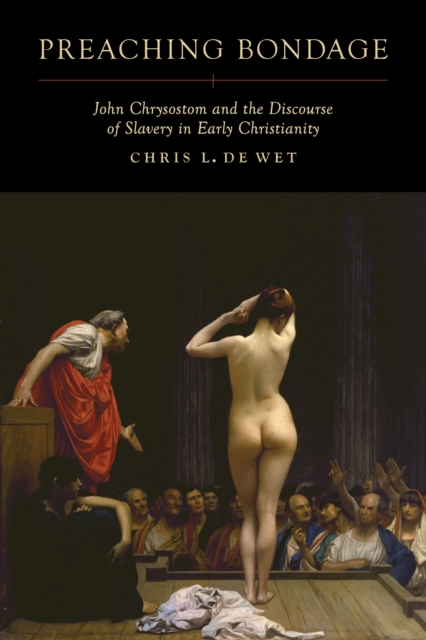
Preaching Bondage introduces and investigates the novel concept of doulology, the discourse of slavery, in the homilies of John Chrysostom, the late fourth-century priest and bishop.