Presuming that the heart of Paul’s gospel announcement was the news that God had raised Jesus from the dead (as indicated in 1 Thessalonians 1:9b-10), Pillar explores the evidence in Paul’s letter and in aspects of the Roman imperial culture in Thessalonica in order to imagine what that proclamation would have evoked for its first hearers.
Key to a theology of scripture are the important issues of history, consciousness, rhetoric, and how theology functions in relation to interpretation of Christianitys religious texts.
Memory and Covenant applies new insights into the meaning and function of social memory to analyze the two major “religions” of the Pentateuch (D and P) and their relationship to one another.
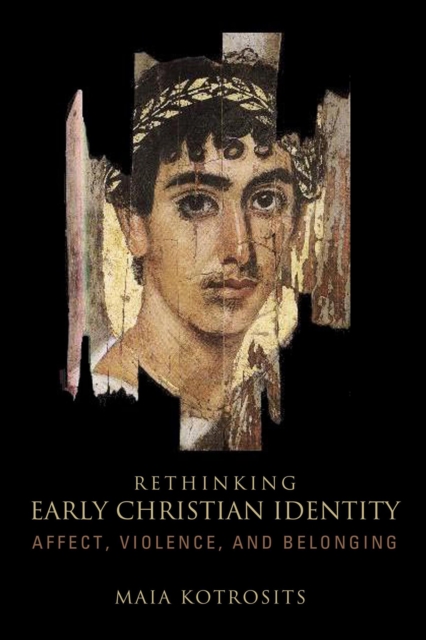
Maia Kotrosits challenges the contemporary notion of “early Christian literature,” showing that a number of texts usually so described—New Testament writings including Hebrews, Acts, the Gospel of John, Colossians, and 1 Peter, as well as the letters of Ignatius, the Gospel of Truth, and the Secret Revelation of John—are “not particularly interested” in a distinctive Christian identity or self-definition.
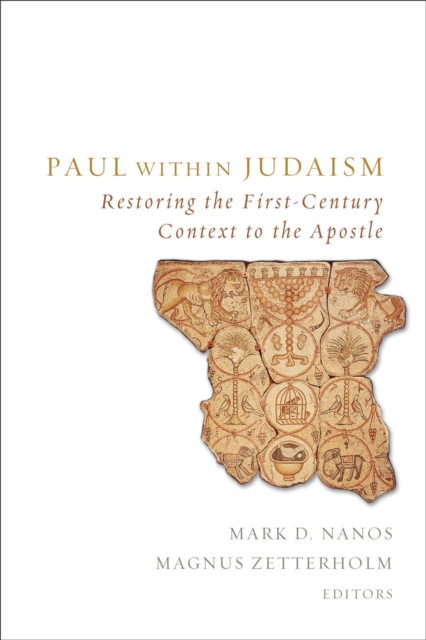
In these chapters, a group of renowned international scholars seek to describe Paul and his work from “within Judaism,” rather than on the assumption, still current after thirty years of the “New Perspective,” that in practice Paul left behind aspects of Jewish living after his discovery of Jesus as Christ (Messiah).
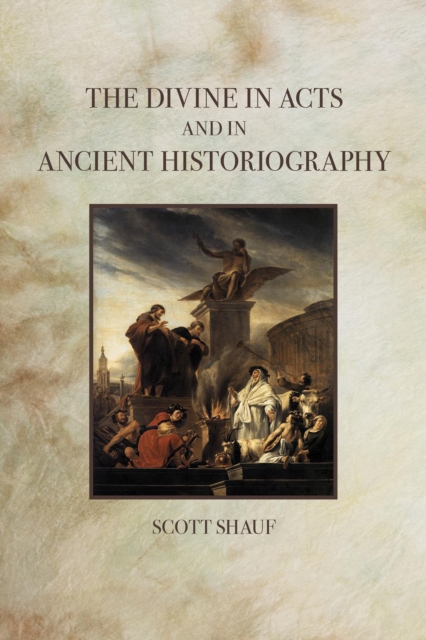
Scott Shauf compares the portrayal of the divine in Acts with portrayals of the divine in other ancient historiographical writings, the latter including Jewish and wider Greco-Roman historiographical traditions.
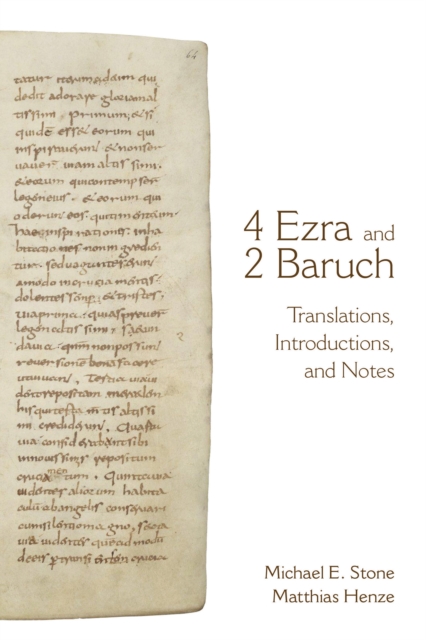
Fresh translations of early Jewish texts 4 Ezra and 2 Baruch, written in the decades after the Judean War, which saw Jerusalem conquered, the temple destroyed, and Judaism changed forever.
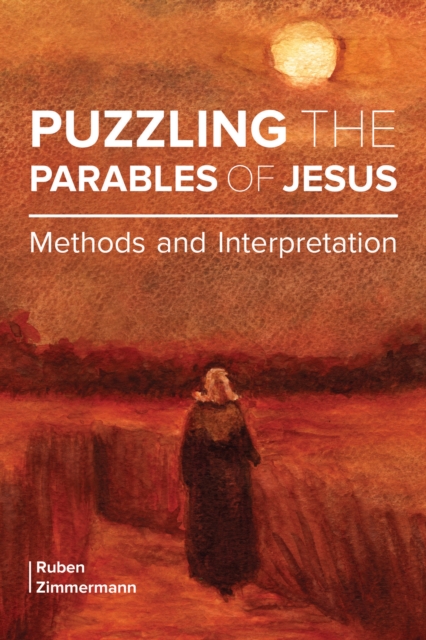
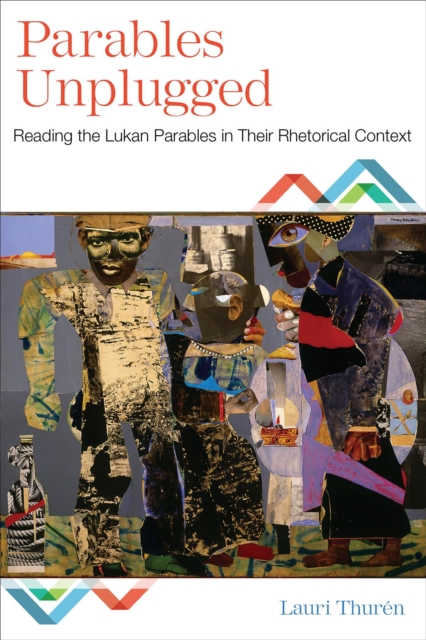
For far too long, Lauri Thuren argues, the parables of Jesus have been read either as allegories encoding Christian theology—including the theological message of one or another Gospel writer—or as tantalizing clues to the authentic voice of Jesus.
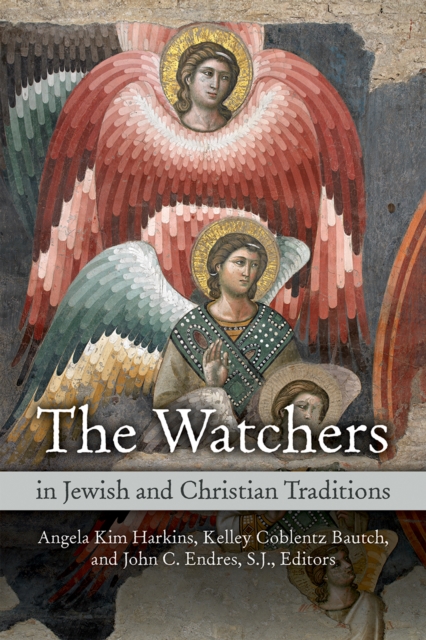
At the origin of the Watchers tradition is the single enigmatic reference in Genesis 6 to the sons of God who had intercourse with human women, producing a race of giants upon the earth.
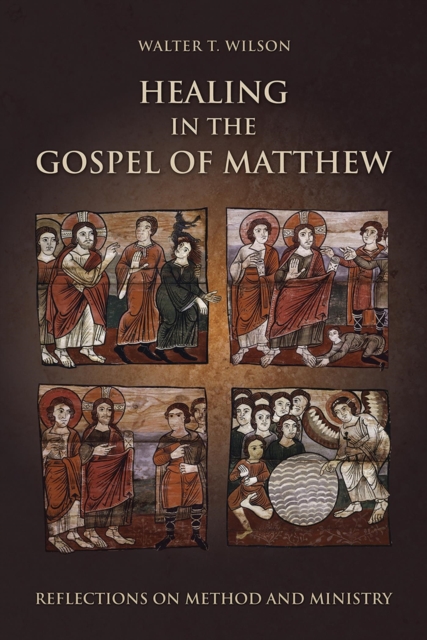
Although healing constitutes both a major theme of biblical literature and a significant practice of biblical communities, healing themes and experiences are not always conspicuous in presentations of biblical theology.
The Texts @ Contexts series gathers scholarly voices from diverse contexts and social locations to bring new or unfamiliar facets of biblical texts to light.
Scholars of the Gospel of Mark usually discuss the merits of patristic references to the Gospel’s origin and Mark’s identity as the “interpreter” of Peter.
Biblical scholars have often contrasted the exegesis of the early church fathers from the eastern region and school of Syrian Antioch against that of the school of Alexandria.
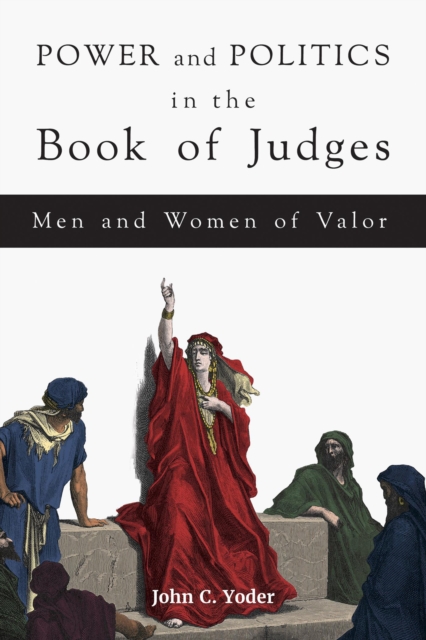
Power and Politics in the Book of Judges studies political culture and behavior in premonarchic Israel, focusing on the protagonists in the book of Judges.
Christians around the world recite the “Lord’s Prayer” daily, but what exactly are they praying for—and what relationship does it have with Jesus’ own context?
Readers have long puzzled over the absence from the Johannine “Last Supper” of any words by Jesus over bread and wine—suggesting to some that John is indifferent or even hostile to sacramental thought or action—and the apparent dislocation to the feeding miracle, in John 6, of Jesus’ declaration that believers must eat his flesh.
A fundamental problem in Christian theology has been that of determining whether God can be an object of experience and how we should account for God’s empirical availability to us.
Karoline Lewis draws together the strengths of two exegetical approaches to the Gospel of John in this volume of the Fortress Biblical Preaching Commentaries series.
Traditional books on preaching a book of the Bible often look at broad themes of the text with little explicit advice about preaching individual passages.
David Schnasa Jacobsen draws together the strengths of two exegetical approaches to the Gospel of Mark in this volume of the Fortress Biblical Preaching Commentaries series.
The Texts @ Contexts series gathers scholarly voices from diverse contexts and social locations to bring new or unfamiliar facets of biblical texts to light.
The Texts @ Contexts series gathers scholarly voices from diverse contexts and social locations to bring new or unfamiliar facets of biblical texts to light.
What difference would it make for Old Testament theology if we turned our attention from the more dramatic, forceful "e;mighty acts of God"e; to the more subdued, but more realistic themes of later writings in the Hebrew Bible?
The Texts @ Contexts series gathers scholarly voices from diverse contexts and social locations to bring new or unfamiliar facets of biblical texts to light.
Amid competing portrayals of the "e;cynic Jesus,"e; the "e;peasant Jesus,"e; and the "e;apocalyptic Jesus,"e; the "e;political Jesus"e; remains a marginal figure.
1 Enoch was an important and popular text in ancient Judaism, well attested among the manuscripts at Qumran, and a key piece of the puzzle of the development of early Judaism and Christian origins.
Although the political interpretation of Paul is still considered something of a novelty in North America and Europe, it is well established in Latin America and among theologians of liberation.
Noel and Johnson make the point that Philemon is as important a letter from an African-American perspective as Romans or Galatians have proven to be in Eurocentric interpretation.
Premier liturgical theologian Gordon Lathrop argues that far too often liturgy, preaching, and liturgical theology are informed by nave and outdated exegesis.
The Texts @ Contexts series gathers scholarly voices from diverse contexts and social locations to bring new or unfamiliar facets of biblical texts to light.
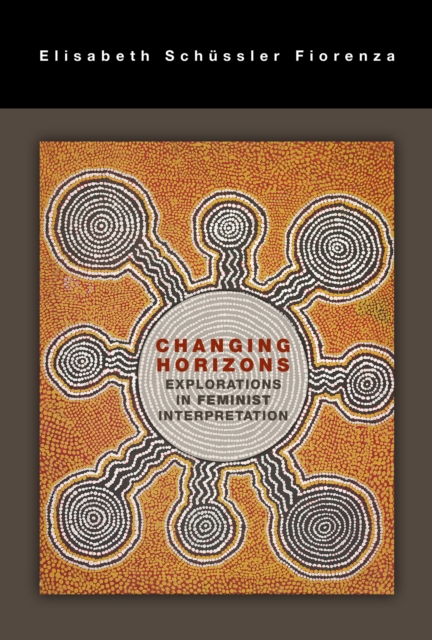
Changing Horizons is the second of two volumes highlighting the ways in which Elisabeth Schssler Fiorenzas work constructs a critical feminist theory and praxis of liberation, in relation to the biblical text and its legacy, and in relation to the theological and ecclesial setting of today.
Hezekiah is a critical figure in the Hebrew Bible, which credits him with major political, social, and religious reforms in Judah’s history and the weathering of a major crisis in the invasion of the Assyrians under their emperor, Sennacherib.