Written at a time when his ideas and practices were provoking opposition even from fellow Christians, the Apostle Paul articulates in his Letter to the Romans his understanding of God's plan for humanity and discusses the implications of this plan for different groups of people.
Although the cry for justice in human society is an important theme in the Bible, in many church and academic circles action for and discourse about social justice is carried on without a thorough exploration of this theme in Scripture.
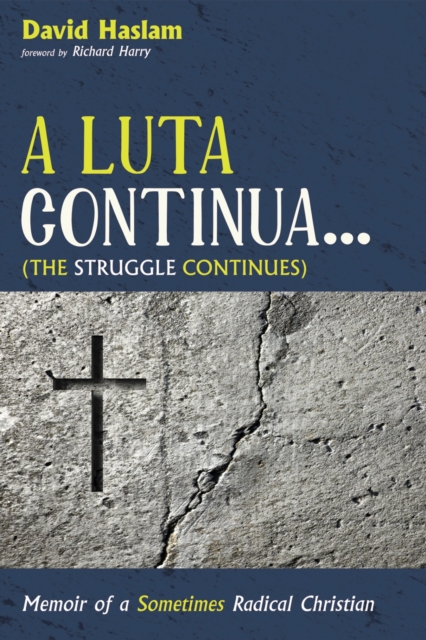
From battling apartheid to saving the environment, fighting racism to urging tax justice, and Sunday preaching to visiting the sick, this book tells the story of nearly fifty years of active church ministry.
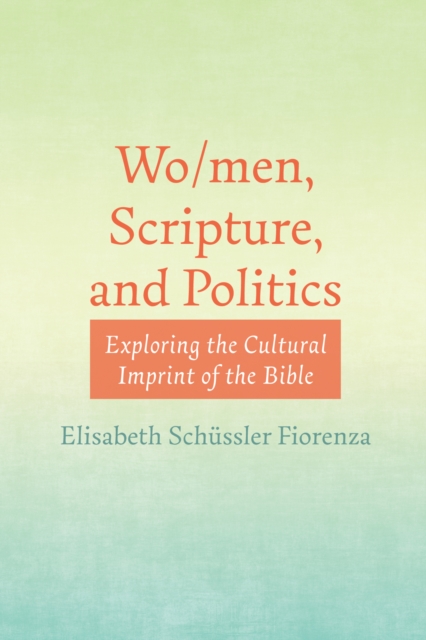
In Wo/men, Scripture, and Politics, Elisabeth Schussler Fiorenza, brings to bear years of trailblazing scholarship of feminist thought and hermeneutics onto the current political and cultural landscape.
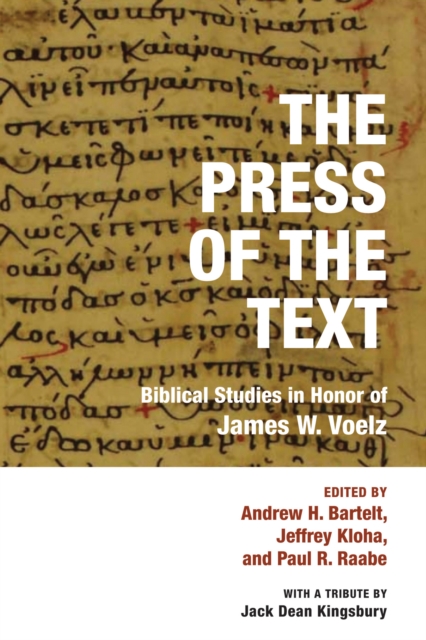
This book offers two things in particular: first, these are papers that have been commented on and re-worked in the context of a set of lively sessions from (International) SBL conferences from 2012 to 2014 (Amsterdam, St.
Almighty Matters: God's Politics in the Bible explores the underlying politics of the Hebrew and Christian Bibles by uncovering their political-theological connection in a single story line.
This work is dedicated to David Alan Black, a New Testament scholar who has contributed to the love of the Koine Greek language as it pertains to New Testament studies in numerous ways--as a professor, author, missionary, and editor.
Stevens Greek Workbook complements the "e;Stevens Greek"e; module in the widely-acclaimed Accordance software program as a workbook of exercises keyed to this text.
Many refer to 1 Peter as an exegetical stepchild within the New Testament; that is, it does not receive the same attention as the Pauline writings, the Gospels, or the Johannine literature.
Drawing on recent scholarship on the Pauline tradition within early Christianity, this book examines Paul's theology of baptism and highlights its practical application in ministry today.
The language of perfection crops up regularly in the Bible, from Noah ("e;a just man and perfect in his generations,"e; KJV) to Jesus ("e;be perfect, therefore, as your heavenly father is perfect,"e; NRSV).
The troubles and ills of the church today can only be understood and healed when Christians begin to face up to their hidden alliances with the Corinthians of the first century and embrace both the Apostle's diagnosis and therapy offered in the epistle.
This book seeks to demonstrate that the fellowship meal traditions in the ancient world form the background against which the Lord's Supper must be understood.
In his letter to the church in Galatia, the Apostle Paul addresses the inefficacy of religious tradition for salvation and reaffirms the completeness of Jesus Christ's redemptive work for our deliverance and righteousness.
This book aims to identify the beast from the sea and the beast from the land in Revelation 13 by studying their unique link together with the dragon in Revelation 12: the land beast is subordinate to the sea beast, which in turn is subordinate to the dragon.
Intuitive logical thinking would suggest that Revelation should be:One biblically coherent and complete narration,That uses only natural and biblical symbols,To retell God's consistent work from beginning to end;That reveals Jesus and his resurrection as the focus;To call for decisive response from every person,For the creation which God loves and will glorify;To close God's written oracle to humankind.
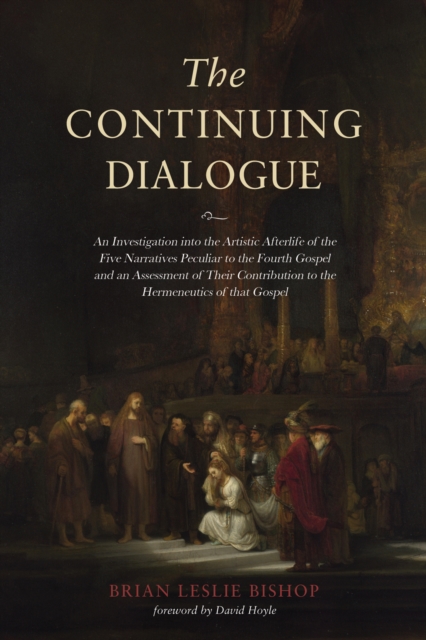
The I AM statements exclusive to the Fourth Gospel are seen as the attempt of the author(s) of that Gospel to present the nature and purpose of the earthly life of Jesus by engaging the imaginative faculty of the reader.