Experience the New Testament Afresh in Scot McKnight's Bold TranslationTypical translations of the New Testament make the biblical text as accessible as possible by using the language of our own day.
One of the significant developments in scholarship in the latter half of the twentieth century was the awareness among historians of ideas, historians of theology, and medievalists of the importance of the Christian scriptures in the Latin Middle Ages.
One of the significant developments in scholarship in the latter half of the twentieth century was the awareness among historians of ideas, historians of theology, and medievalists of the importance of the Christian scriptures in the Latin Middle Ages.
While the commentaries and articles on 2 Corinthians focus on the world behind the text, giving attention to the identity of Paul's opposition and questions about the letter's composition, few scholars have bridged the gap between the exegesis of 2 Corinthians and the sermon.
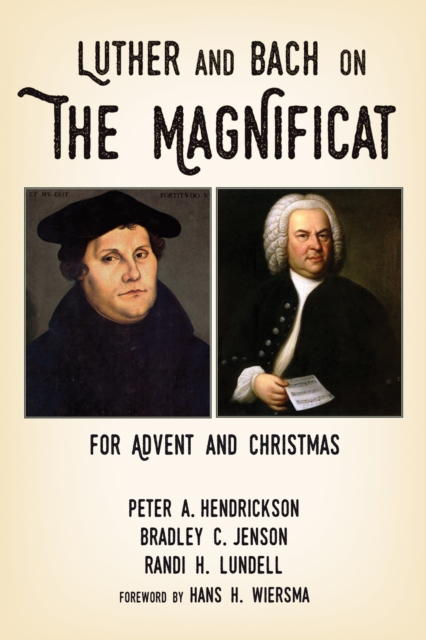
Luther and Bach on the Magnificat: For Advent and Christmas brings together the gifts of Lutheranism's original and most prominent theologian with Lutheranism's most prominent composer/musician as Martin Luther and Johann Sebastian Bach expound in word and music on the Virgin Mary's song of praise in the Gospel of Luke: the Magnificat.
In recent decades, biblical scholars have often drawn from the wells of literary theory when seeking to better understand the art of biblical narrative.
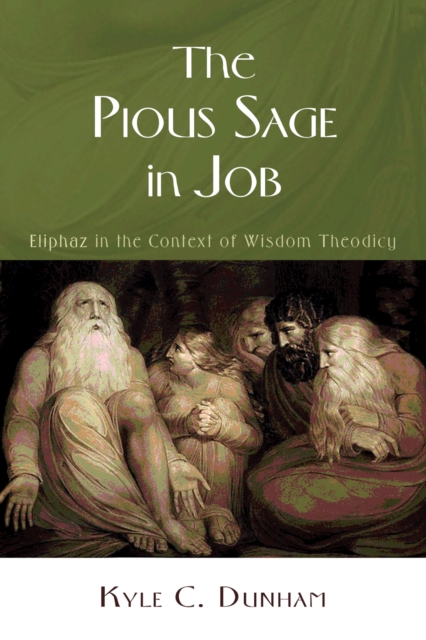
Due to the complexity of the speech-cycles in the book of Job, scholars have struggled to resolve interpretive tensions in the author's characterization of Job's three friends.
Rather than representing the book of Revelation as a single "e;apocalyptic"e; genre, Kendra Haloviak Valentine demonstrates that the work in fact reflects several genres--apocalyptic, prophetic and liturgical--within the overall framework of an epistle.
It is easy to dismiss the Pharisees as Jesus' implacable adversaries, the hypocrites with whom he frequently debated and who even plotted his downfall.
The Hebrew scriptures, called Tanakh or simply Bible by Jews and the Old Testament by Christians, contain the original sources of western religious traditions.
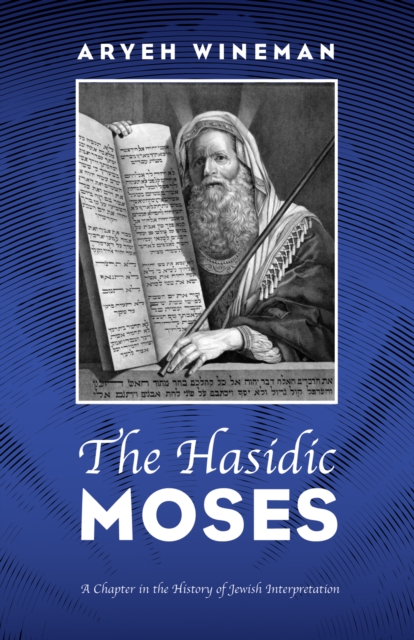
In The Hasidic Moses, Aryeh Wineman invites readers to join him on a journey through various eighteenth- and nineteenth-century Hasidic texts that interpret the life of Moses.
David Wilson's initial research into the phenomenon of prophecy in the Hebrew Bible suggested that many of the passages featuring prophets, and hitherto considered to be bizarre myths (or much-edited collections of traditions) were, in fact, sequences of dreams.
Educational Foundations of the Jesuits in Sixteenth-Century New Spain is the first volume in a series exploring the Jesuits' pivotal role in shaping education in Spanish North America.
The Hebrew/Christian Scriptures include many allusions to pilgrimage customs and practices, yet the information is scattered and requires a considerable amount of reconstruction.
Whether people realize it or not, the ideas in 1 Corinthians 11:2-16 have had a huge impact on the role of Christian women in the church through the centuries.
In this groundbreaking book, Michael Gorman asks why there is no theory or model of the atonement called the "e;new-covenant"e; model, since this understanding of the atonement is likely the earliest in the Christian tradition, going back to Jesus himself.