ECPA Top Shelf Book Cover AwardUnraveling the Origins of the New Testament CanonDespite the profound influence of the New Testament, a variety of questions related to its background and history remain common.
This collection of essays explores the impact of Jesus within and beyond Christianity, including his many afterlives in literature and the arts, social justice, and world religion during the past two thousand years and especially in the present global context.
Elizabeth George takes readers through a thought-provoking study of Peter's teachings on handling trials and persecutions, including: suffering for doing good; understanding the mysteries of God; and fanning the flame of faith.
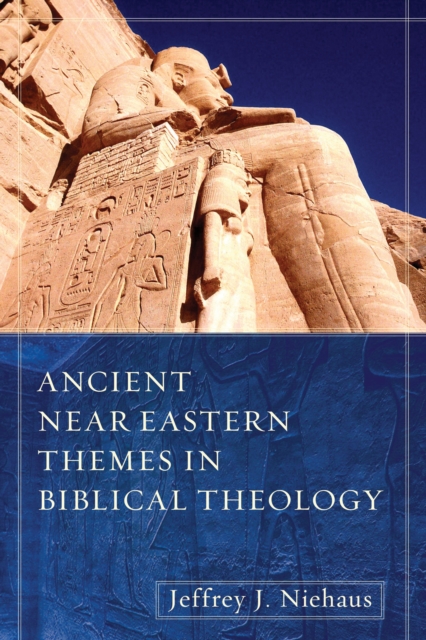
Ancient Near Eastern Themes in Biblical Theology traces the many parallels between the Old Testament (and Bible as a whole) and the ancient Near East, including creation and flood narratives, common literary and legal forms, supposed acts of deities and the God of the Bible, and more.
In this groundbreaking work, Joseph Fitzpatrick challenges the traditional interpretation of chapter three of Genesis: the story of Adam and Eve in Eden.
Find strength in your faith as you navigate motherhood with this daily Bible study for womenBeing a mom is no easy feat, but turning to God can help you feel motivated, inspired, and ready for anything.
Mis palabras no pasaran es un comentario al evangelio liturgico dominical del ciclo B que pretende ayudar a todos los cristianos (laicos, religiosos, sacerdotes) a preparar la Mesa de la Palabra que se despliega en las eucaristias de los domingos.
In Joel and Obadiah, John Barton furnishes a fresh translation of the ancient manuscripts and discusses questions of historical background and literary architecture before providing a theologically sensitive and critically informed interpretation of the text.
A chapter-by-chapter explanation of the Book of Exodus, revealing its wisdom about nation building and people formation"e;Kass draws from Exodus' record of the founding of Judaism timely even urgent universal lessons about twenty-first-century preconditions for human flourishing in any community.
A path-breaking scholar's insightful reexamination of the resurrection of the body and the construction of the selfWhen people talk about the resurrection they often assume that the bodies in the afterlife will be perfect.
From the recipient of the National Jewish Book Award for Lifetime Achievement, a "e;hugely entertaining and irreverent"e; (Adam Gopnik, New Yorker) account of the art of translating the Hebrew Bible into EnglishIn this brief book, award-winning biblical translator and acclaimed literary critic Robert Alter offers a personal and passionate account of what he learned about the art of Bible translation over the two decades he spent completing his own English version of the Hebrew Bible.
From the angel Gabriel's announcement of God's plan for her, through the adversities presented by Christ's work on earth, Mary, the mother of Jesus, exhibited courage and humility.
Reading the New Testament offers an exciting and contemporary approach to New Testament Studies, which have changed dramatically in the past thirty years.
A "e;masterful and eminently readable"e; journey through the fascinating insights and revelations of Biblical archeology (Publishers Weekly, starred review).
For everyone who has ever been in a pit-or is in one now-Beth Moore urges readers in her book Get Out of That Pit not to believe for one second that God has forgotten them.
Intra-Jewish conflict in Paul's communitiesAfter taking on traditional interpretations of Romans in (The Mystery of Romans, Nanos now turns his attention to the Letter to the Galatians.
This first volume in the series Christian Origins and the Question of God provides a historical, theological, and literary study of first-century Judaism and Christianity.
A number of disciplines aligned under "e;cultural criticism"e; have changed the shape of contemporary biblical studies not only by offering new methods but by questioning old goals and proposing new ones.
The self-emptying of Christ (kenosis) in Philippians 2 has long been the focus of attention by Christian theologians and interpreters of Paul's Christology.
Third wave womanism is a new movement within religious studies with deep roots in the tradition of womanist religious thoughtwhile also departing from it in key ways.
The agricultural world of Old Testament Israel swarmed with animals-birds, insects, fish, pack animals, pets, animals for hunting, and domesticated herds of sheep, goats, and cattle.