The Camino de Santiago, the Route of Saint James, the Way--all describe a pilgrimage with multiple routes that pass through Spain and end at the Cathedral of Saint James in Santiago de Compostela.
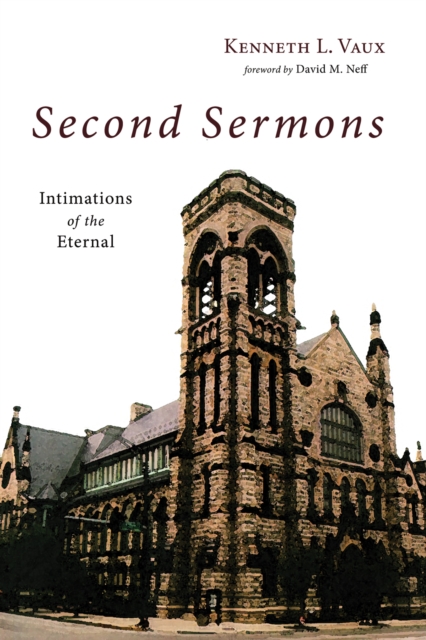
Sermon structure has been deemed an important component of preaching throughout the history of preaching by preaching instructors and practitioners alike.
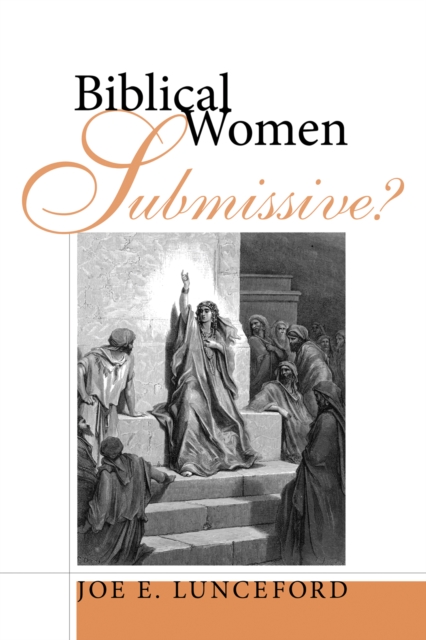
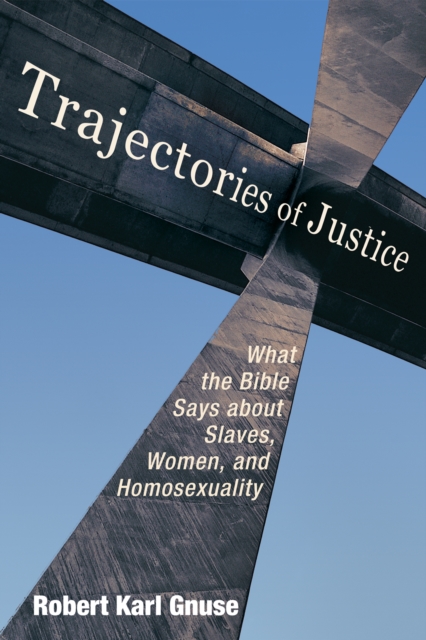
For many years I have had an interest in the equality of women and men, particularly in the church, where it has been woefully lacking for the most part.
Since the time of Jerome, scholars have tried to explain why John the Baptist asks Jesus if he is "e;the one who is to come"e; (Matt 11:2-6; Luke 7:18-23) after he had apparently identified him as "e;the lamb of God"e; (John 1:29-34).
To serve God and Christ faithfully in the midst of a pagan society that exalts power, wealth, and pleasure is the tenor of the prophetic summons to the church in the book of Revelation.
Over fifty years ago, Vatican II's Nostra Aetate 4 drew from Romans 11 to challenge the way Paul's voice has been used to negatively discuss Jews and Judaism.
The Greek family of words characterizing the doctrine of "e;justification by faith"e; (as it is known in English) is most prominent in the writings of the Apostle Paul.
In Holiness and the Missio Dei, Andy Johnson takes the reader on a biblical journey that explores the question of what holiness or sanctification has to do with God's mission in the world.
Remarkable is how extensively in each parable Jesus provides a subtle but rich array of unexpected possibilities hidden within the hierarchies of power so commonplace in his world.
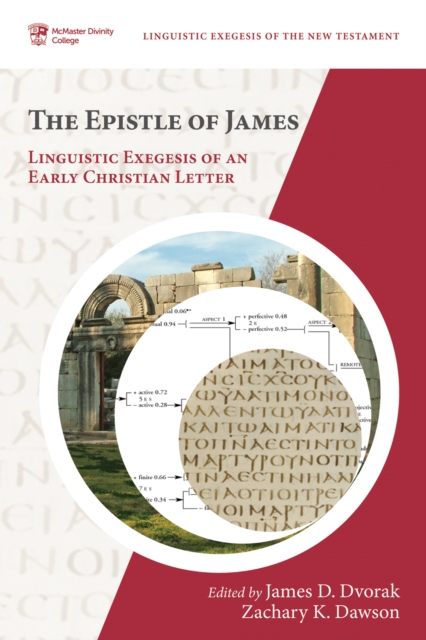
The Epistle of James is a collection of essays that applies to the book of James linguistic methods of analysis that are based on the same theoretical framework, namely Systemic-Functional Linguistics.
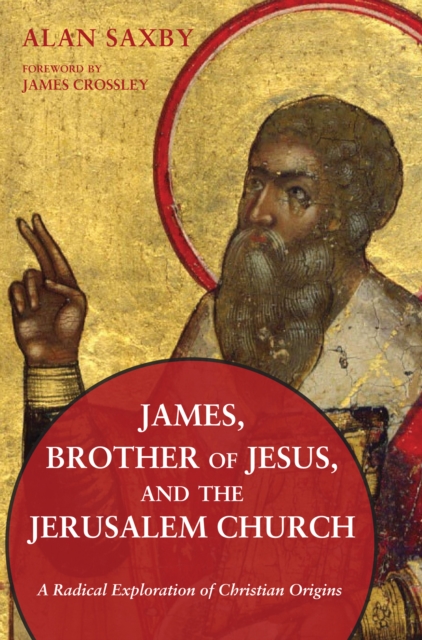
James, Brother of Jesus, and the Jerusalem Church opens fresh ground in our understanding of Christian origins through an exploration of the role of James in the founding of the church.
Solomon's idolatry, his murder of his political enemies, and his role in the breakup of the kingdom, which are bluntly presented in Kings, are omitted in Chronicles.
It is hardly noteworthy in contemporary discourse when the phrase, "e;We'll just have to agree to disagree"e; actually means, "e;We plan never to speak to each other again.
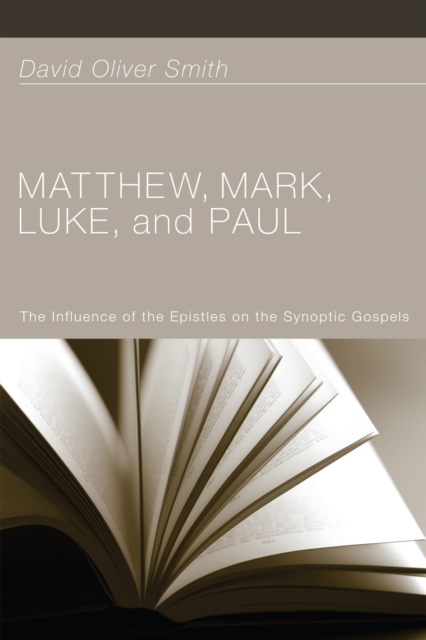
Matthew, Mark, Luke, and Paul takes you on a journey through the Synoptic Gospels and the Epistles providing a new solution to a literary puzzle that has vexed biblical scholars for over two-hundred years--The Synoptic Problem.
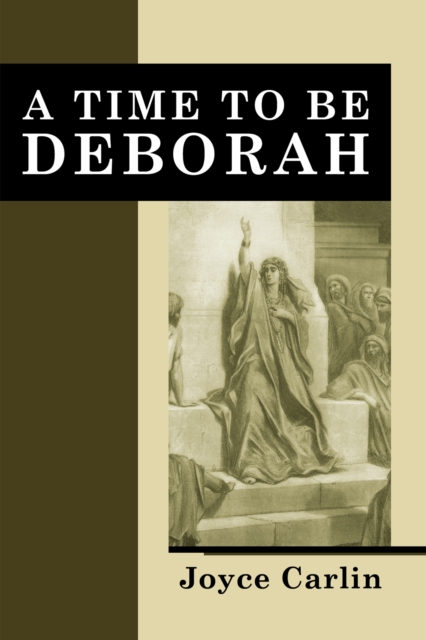
A Time To Be Deborah is a study of the Biblical Book of Judges focusing on the account of the prophetess Deborah and the Israelite military general, Barak.
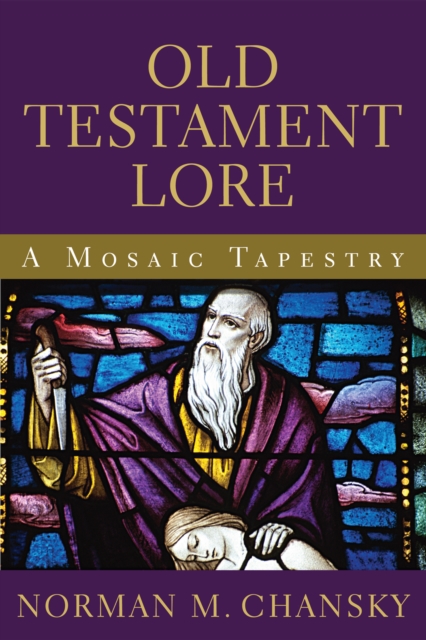
The poems in Old Testament Lore, are imaginative rhapsodies on themes inspired by the Pentateuch, Prophets, and Writings of the Old Testament as well as those of the Apocrypha.