Without turning naively to the past, scholars and preachers of the Old Testament are once again making use of figuration--something the church had always done until the modern period.
This book investigates 1 Corinthians 1-4 from a rhetorical and social perspective and explores that a divisive culture of rhetorical and paternal elitism lies behind the schisms and problems identified in the letter.
The relationship between the church and the scriptures of Israel is fraught with complexities, particularly in regard to how the first Christians read scripture in light of the gospel of Christ.
This book aims to provide advanced students of biblical studies, seminarians, and academicians with a variety of intertextual strategies to New Testament interpretation.
One of the major shifts in OT studies over the past half of a century has been the move away from studies dominated by diachronic matters toward more text-immanent, synchronic approaches.
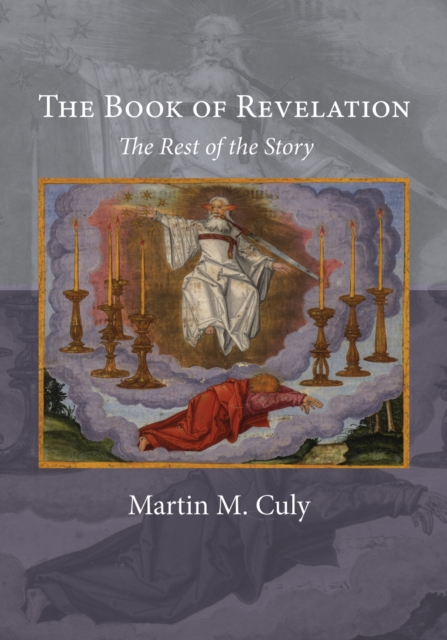
Most New Testament (NT) introductions, because of page limitations and other reasons, tend to minimize their treatment of the last nine books of the Christian Bible (from Hebrews to Revelation).
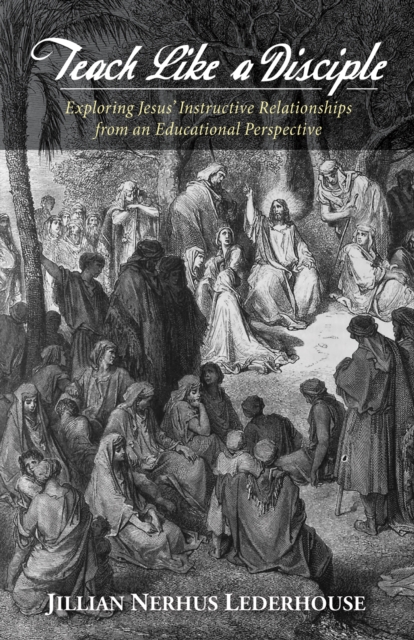
Although much has been written about P-12 teaching from a biblical perspective, this study focuses on Christ's relationships with a diverse group of individuals: wealthy and poor, women and men, unschooled and well-educated, loud and quiet, influential and powerless, those whom Jesus knew well and those who were strangers to him, those of his own faith and culture as well as those outside of it.
Although Jesus of Nazareth was a devout first-century Jew, in the twenty-first century he is often lost in the thickets of Christian theology, reflection on the wisdom of his words, and the busyness of church life.
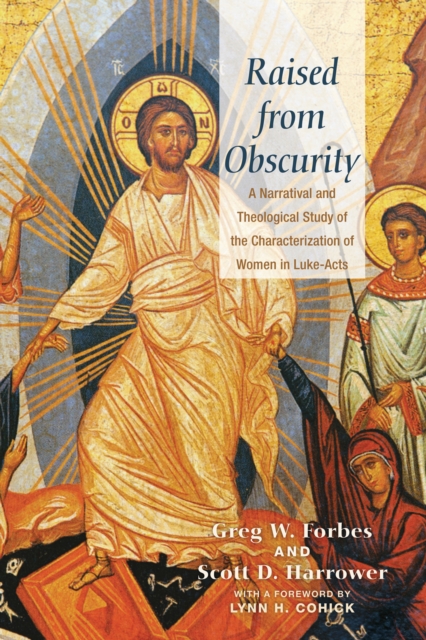
Luke-Acts contains many and diverse female characters, many of whom play significant roles in the unfolding drama of God's plan of salvation through Jesus and the early church.
In this mature work of scholarship, Edwin Good brings his capable talents to translating, interpreting, and commenting on the rich work of the Song of Songs.
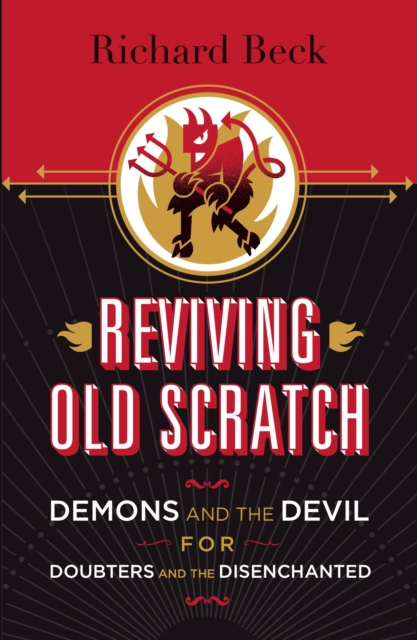
Satan's transformation from opaque functionary to chief antagonist is one of the most striking features of the development of Jewish theology in the Second Temple Period and beyond.
Biblical studies and the teaching of biblical studies are clearly changing, though it is less clear what the changes mean and how we should evaluate them.
This concise commentary on the Apocrypha, excerpted from the Fortress Commentary on the Bible: The Old Testament and Apocrypha, engages readers in the work of biblical interpretation.
Judith tells the story of a beautiful Jewish woman who enters the tent of an invading general, gets him drunk, and then slices off his head, thus saving her village and Jerusalem.
The prophet Haggai advocated for the rebuilding of the temple, destroyed by Babylon, in the tumultuous period of reconstruction under Persian dominion; so much is evident from a surface reading of the book .
Young and Strickland analyze the four largest discourses of Jesus in Mark in the context of Greco-Roman rhetoric in an attempt to hear them as a first-century audience would have heard them.
Biblical Interpretation in the Early Church is part of Ad Fontes: Early Christian Sources, a series designed to present ancient Christian texts essential to an understanding of Christian theology, ecclesiology, and practice.
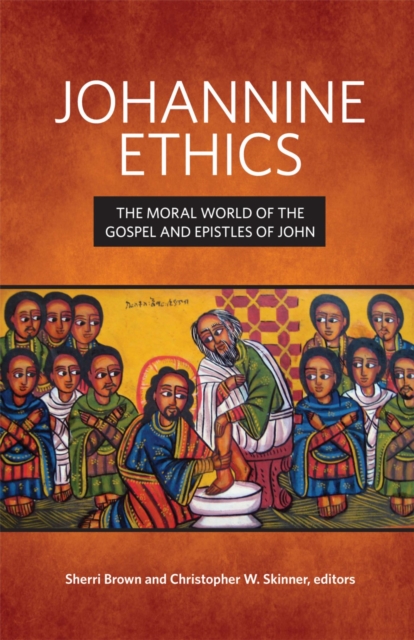
The Gospel and Epistles of John are often overlooked in discussions of New Testament ethics; indeed, it has been asserted that the Fourth Gospel is of only limited value to such discussions--even that John is practically devoid of ethical material.
This book challenges a popular and influential thesis in Lukan scholarship presented by the Tubingen School: Paul is a rival of Peter and Paul is an anti-Jewish apostle.
Insights from Reading the Bible with the Poor provides a spirited introduction to methodologies and strategies for reading the Bible "e;from below"e;--from the back of what used to be church sanctuaries, from basements, from sidewalks.
Comedians tend to view the world somewhat askew or askance, and that view--a kind of hermeneutical lens for discerning the comedic in daily life--serves to frame, reframe, and even de-frame reality.
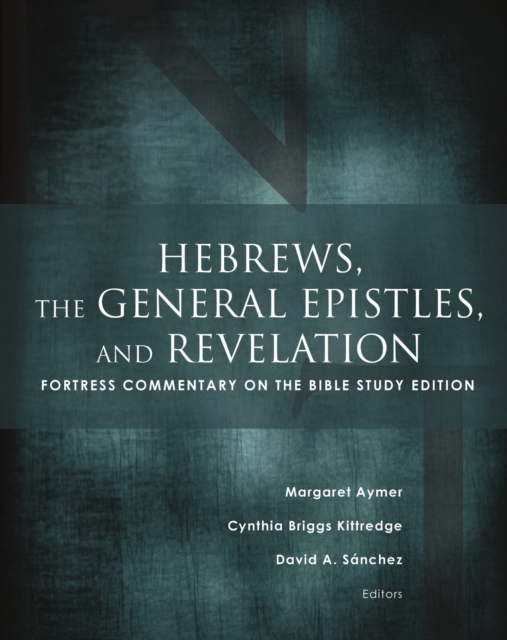
This commentary on the Hebrews, the General Epistles, and Revelation, excerpted from the Fortress Commentary on the Bible: The New Testament, engages readers in the work of biblical interpretation.
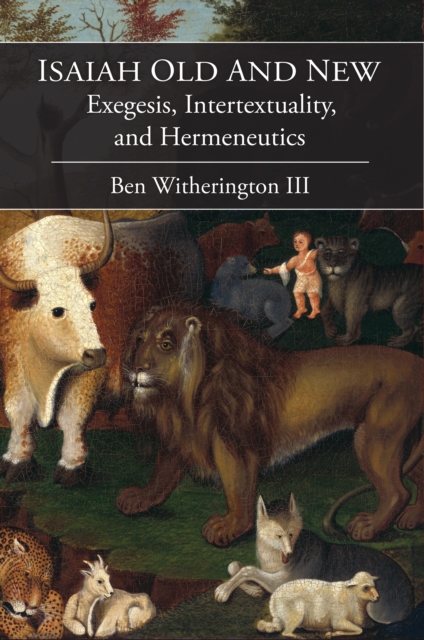
Reading the Book of Isaiah in its original context is the crucial prerequisite for reading its citation and use in later interpretation, including the New Testament writings, argues Ben Witherington III.