The publication of Stony the Road We Trod thirty years ago marked the emergence of a critical mass of Black biblical scholars--as well as a distinct set of hermeneutical concerns.
The literary relationships among the Synoptic Gospels have long attracted scholarly attention which has now generally coalesced into the predominant Two- (or Four-) Source Hypothesis and leading alternatives, the Griesbach (or Two-Gospel) Hypothesis (Mark used Matthew and Luke) and the Farrer Hypothesis (Luke used Mark and Matthew).
The Old Testament bears witness to an in-your-face, holy God--a God who gets down and dirty with creation and history; a God who gets in people's face with love and law, with power and purpose.
Reading the Book of Psalms in its original context is the crucial prerequisite for reading its citation and use in later interpretation, including the New Testament writings, argues Ben Witherington III.
Understanding and assessing the New Testament writings from Asian viewpoints provides a unique and original outlook for interpretation of the Christian Scriptures.
Each volume in the Insights series presents discoveries and insights into biblical texts from a particular approach or perspective in current scholarship.
In this new volume, prolific scholar Walter Brueggemann seeks to show Christian preachers how to consider the faith witnessed in several Old Testament traditions and to help them discover rich and suggestive connections to our contemporary faith challenges.
Innovation within Tradition is an exploration of the meaning and implications of Joseph Ratzinger’s biblical interpretation of the women of salvation history.
The advent of the modern, historical, and critical methods of reading Scripture is one of the most significant events in the last five hundred years of Christian history and theology.
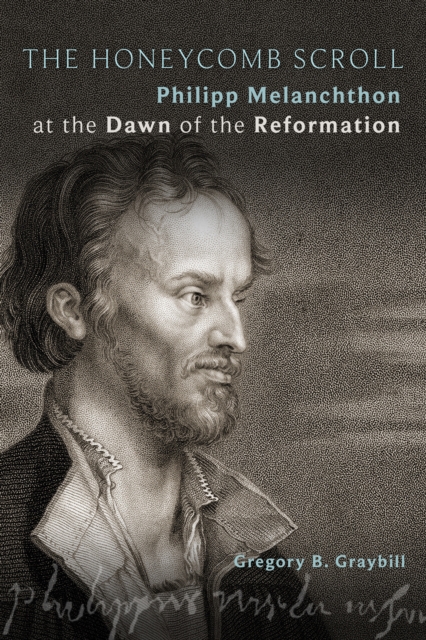
Long overshadowed by Luther and Calvin, Philipp Melanchthon (1497–1560) is one of the most important figures in the Protestant Reformation and had profound effect on Western church history.
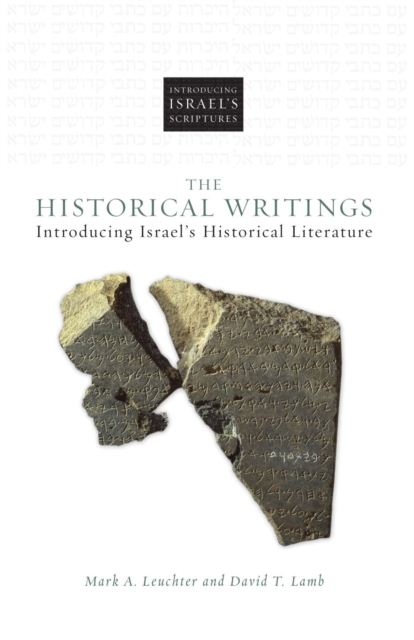
History has an inescapable centrality in the Hebrew Bible, and biblical narratives are for many readers the best recognized and most memorable parts of the Bible.
Increasingly, many Christians and spiritual seekers feel they are in a sort of wilderness space where the familiar, settled, and normal parts of life have become unsettled, out of balance.
Here an international team of scholars draws out the implications of the newest scholarship on the nature of apocalypticism for the variety of New Testament writings.
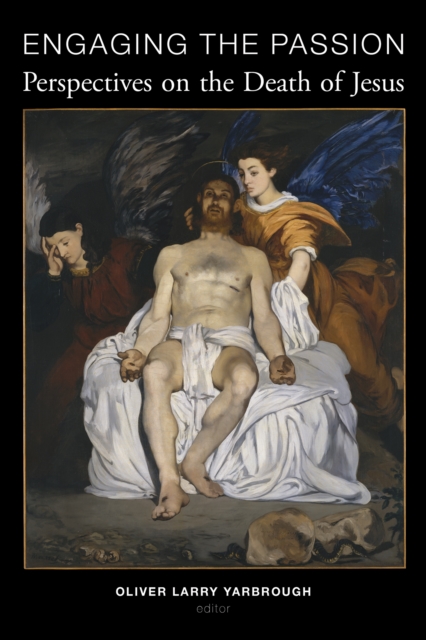
In Engaging the Passion, Oliver Larry Yarbrough has gathered an impressive array of scholars to survey the wealth of ways in which the death of Jesus has been portrayed and represented in Scripture, liturgy and music, literature, art and film, theology, and ethics.
In Called into the Mission of God, Roji George argues that Paul's primary interest was neither doctrinal teaching nor the articulation of an anti-imperial discourse.
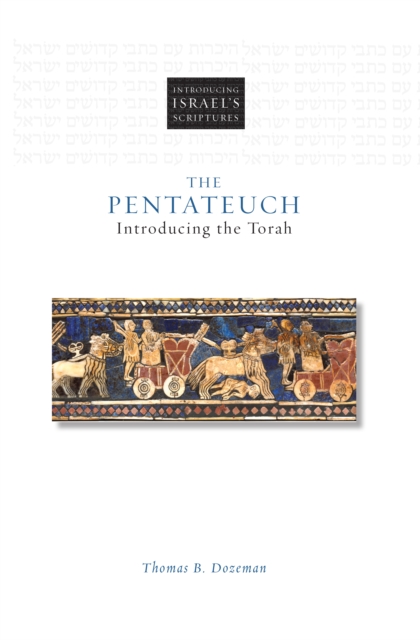
Much of scholarly research on the Pentateuch has revolved around the question of sources and how they might be identified by differences in vocabulary, theme, and characterization.
It is clear that according to Matthew’s Gospel, Jesus came to “save his people from their sins” (1:21), to “give his life as a ransom for many” (20:28), to have his blood “poured out for many for the forgiveness of sins” (26:28).
In this groundbreaking work to identify and address God's absence in three key rape narratives in the Hebrew Bible, Leah Rediger Schulte finds a pattern that indicates a larger community crisis.
The story of the binding of Isaac presents problems and opportunities for people who seek to live faithfully in relationship with a God who surpasses our understanding.
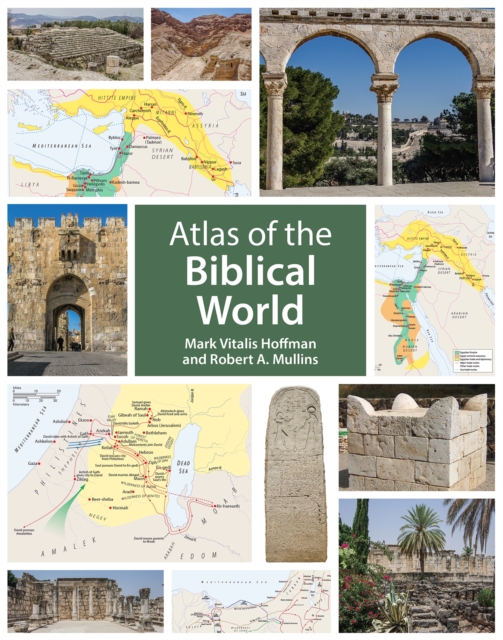
Based on the latest current scholarship, Atlas of the Biblical World features striking full-color maps and insightful commentary to make the ancient biblical world come alive.
Paul on Identity shows the inner connection in Paul's view of three distinct issues that all focus on identity: What defines the fundamental "e;Christ identity"e; for which Paul argues?
The Protestant Reformation emphasized the centrality of scripture to Christian life; the twentieth-century liturgical movement emphasized the Bible‘s place at the heart of liturgy.