This book about Luther's theology is written out of a twofold conviction: first, that many of our problems have arisen because we have not really understood our own traditions, especially in the case of Luther; and second, that there is still a lot of help for us in someone like Luther if we take the trouble to probe beneath the surface.
This commentary on the Gospels and Acts, excerpted from the Fortress Commentary on the Bible: The New Testament, engages readers in the work of biblical interpretation.
This book combines a rich description of the (Lutheran) Formula of Concord (1577) with experiences in today's Lutheran parishes to demonstrate how confessional texts may still come to life in modern Christian congregations.
Drawing on recent philosophical developments in hermeneutics and poststructuralism, The Fragility of Language and the Encounter with God offers a theological account of the contingency of language and perception and of how acknowledging that contingency transforms the perennial theological question of the development of doctrine.
This commentary on the Historical Writings, excerpted from the Fortress Commentary on the Bible: The Old Testament and Apocrypha, engages readers in the work of biblical interpretation.
How to Read Paul provides an incisive, yet brief, examination of Paul as a writer and theologian steeped in the cultural, intellectual, and religious crossroads of the ancient world.
The purpose of this book is to help those engaged in Christian formation, or those exploring faith perspectives for themselves, to see the Ten Commandments in a positive and liberating, rather than a restrictive, sense.
This commentary on the Pentateuch, excerpted from the Fortress Commentary on the Bible: The Old Testament and Apocrypha, engages readers in the work of biblical interpretation.
In this accessible and provocative study, Brian Blount reads the book of Revelation through the lens of African American culture, drawing correspondences between Revelation's context and the long-standing suffering of African Americans.
Avoiding theological jargon and using language more accessible to the lay person than that in the Bible, this book invites readers to discover for themselves what Jesus has done for the world and continues to do in the world.
With clarity and verve, Mark Allen Powell introduces the beginning student to the contents and structure of the Gospels, their distinctive characteristics, and their major themes.
Imagine reading a letter where the writer is engaged in a heated debate with someone and repeatedly cites their positions, but never uses quotation marks to indicate that he is quoting them.
The Evil Eye is mentioned repeatedly throughout the Old Testament, Israel's parabiblical writings, and New Testament, with a variety of terms and expressions.
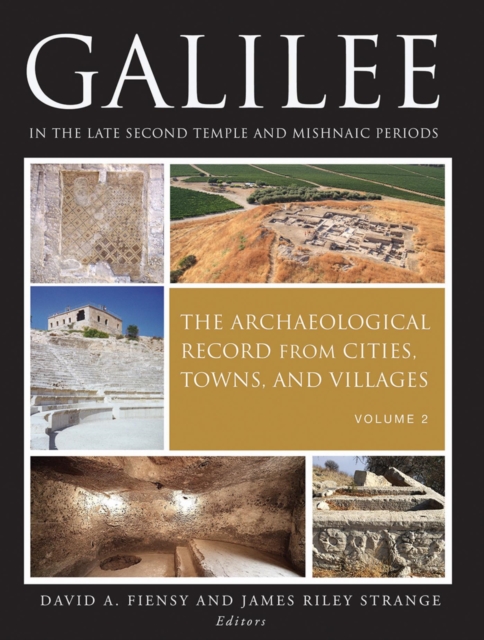
This second of two volumes on Galilee in the Late Second Temple and Mishnaic Periods focuses on the site excavations of towns and villages and what these excavations may tell us about the history of settlement in this important period.
This commentary on wisdom, worship, and poetry, excerpted from the Fortress Commentary on the Bible: The Old Testament and Apocrypha, engages readers in the work of biblical interpretation.
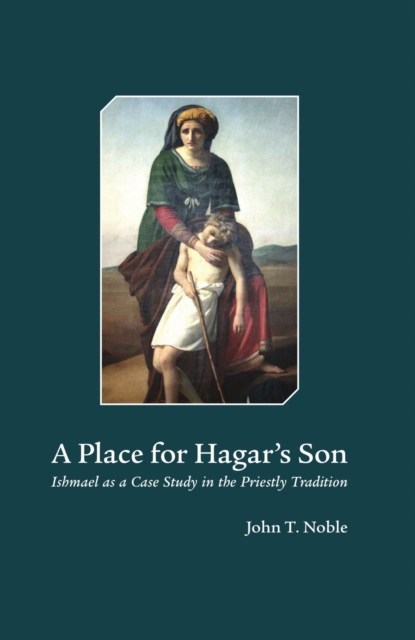
The profound ambivalence of the biblical portrayals of Hagar and Ishmaeldispossessed, yet protected; abandoned, yet given promises that rival those of the covenant with Abrahambelies easy characterizations of the Pentateuch's writers.
This groundbreaking volume presents a new translation of the text and detailed interpretation of almost every word or phrase in the book of Judges, drawing from archaeology and iconography, textual versions, biblical parallels, and extrabiblical texts, many never noted before.
The first eleven chapters of Genesis (Adam, Eve, Noah) are to the twenty-first century what the Virgin Birth was to the nineteenth century: an impossibility.
This collection of essays considers what light is shed on Pauline soteriology by giving focused attention to the apostle's language and conception of sin.
Few Christian writings have had the world-changing impact of St Paul's epistles to the churches, and yet from the very beginning these works proved themselves to be tricky texts.
Although the Apostle John endorses "e;Lamb"e; twenty-nine times in his Apocalypse and employs a term that is used only one other time in the New Testament to this end, this unique title and its sophisticated christological implications has only received cursory attention both historically and more recently.