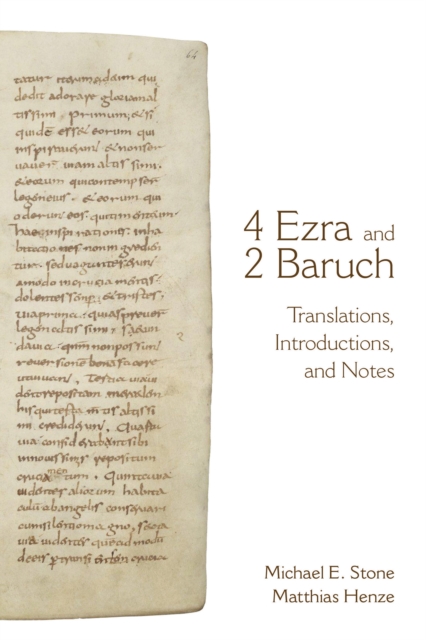
Fresh translations of early Jewish texts 4 Ezra and 2 Baruch, written in the decades after the Judean War, which saw Jerusalem conquered, the temple destroyed, and Judaism changed forever.
Karoline Lewis draws together the strengths of two exegetical approaches to the Gospel of John in this volume of the Fortress Biblical Preaching Commentaries series.
This title explores why Christians have different ways of looking at time, at how the life of the church is ordered and organized by days, weeks, seasons, and years.
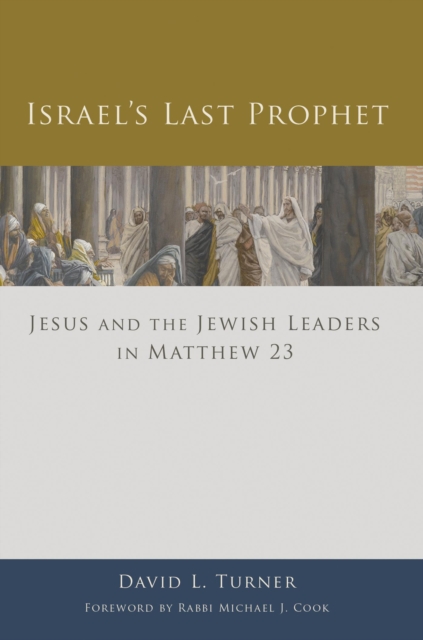
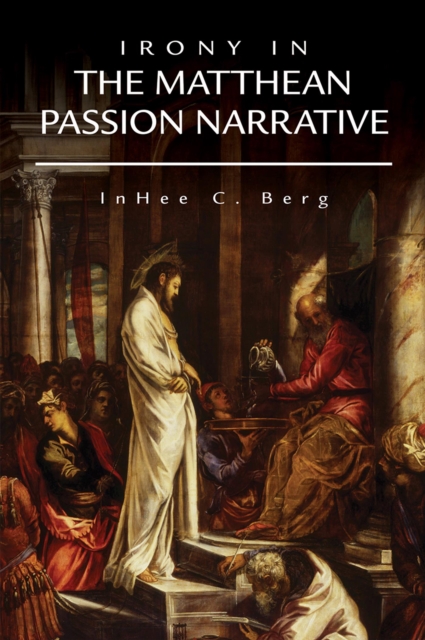
Jesus’ words of indictment and judgment in the Gospel according to Matthew have fueled centuries of Christian anti-Judaism and the horrors of the twentieth-century Holocaust.
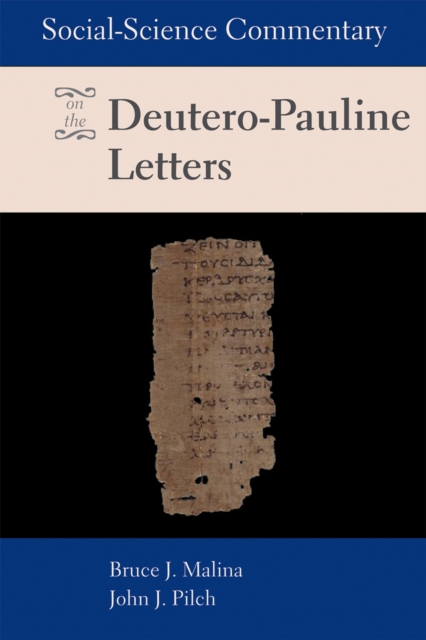
The Social-Science Commentary series pioneers an alternative commentary genre, providing in this volume the text of the deutero-Pauline letters and cultural notes on them.
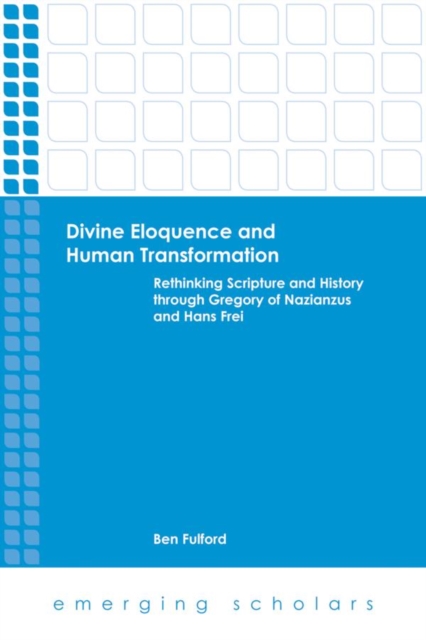
Key to a theology of scripture are the important issues of history, consciousness, rhetoric, and how theology functions in relation to interpretation of Christianitys religious texts.
Premier liturgical theologian Gordon Lathrop argues that far too often liturgy, preaching, and liturgical theology are informed by nave and outdated exegesis.
The Texts @ Contexts series gathers scholarly voices from diverse contexts and social locations to bring new or unfamiliar facets of biblical texts to light.
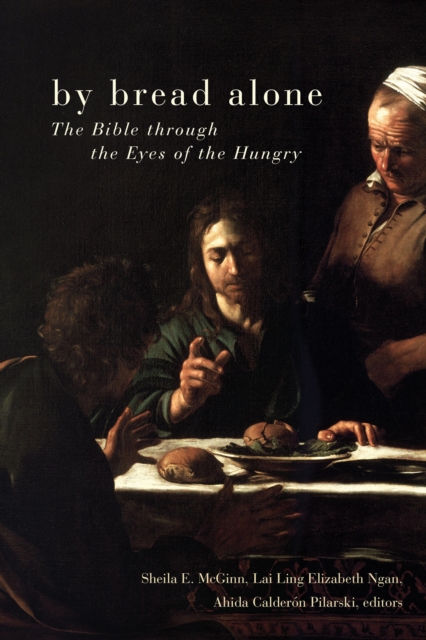
Important ecclesiastical documents have stressed the urgency of addressing world hunger and put in the foreground its natural and historical causes, from famine to global austerity measures and welfare.
1 Enoch was an important and popular text in ancient Judaism, well attested among the manuscripts at Qumran, and a key piece of the puzzle of the development of early Judaism and Christian origins.
What difference would it make for Old Testament theology if we turned our attention from the more dramatic, forceful "e;mighty acts of God"e; to the more subdued, but more realistic themes of later writings in the Hebrew Bible?
Traditional books on preaching a book of the Bible often look at broad themes of the text with little explicit advice about preaching individual passages.
The Fortress Commentary on the Bible: The New Testament presents a balanced synthesis of current scholarship, enabling readers to interpret Scripture for a complex and pluralistic world.
Moving beyond discussions of patriarchy and prescribed "e;womens roles"e; in the Roman worlddiscussions that have relied too much on elite literary sources, in her viewKatherine Bain explores what inscriptional data from Asia Minor can tell us about the actual socioeconomic status of women in the first and second centuries C.
Since the discovery of the Dead Sea Scrolls, scholars have traced out the rich and complex traditions of biblical interpretation in Second Temple Judaism.
Changing Horizons is the second of two volumes highlighting the ways in which Elisabeth Schssler Fiorenzas work constructs a critical feminist theory and praxis of liberation, in relation to the biblical text and its legacy, and in relation to the theological and ecclesial setting of today.
Melvin traces the emergence and development of the motif of angelic interpretation of visions from late prophetic literature (Ezekiel 4048; Zechariah 16) into early apocalyptic literature (1 Enoch 1736; 7282; Daniel 78).
It is widely recognized that in some of his letters, Paul develops a Christology based on a comparison between Adam and Christ, and that this Christology has antecedents in Jewish interpretation of Genesis 14.
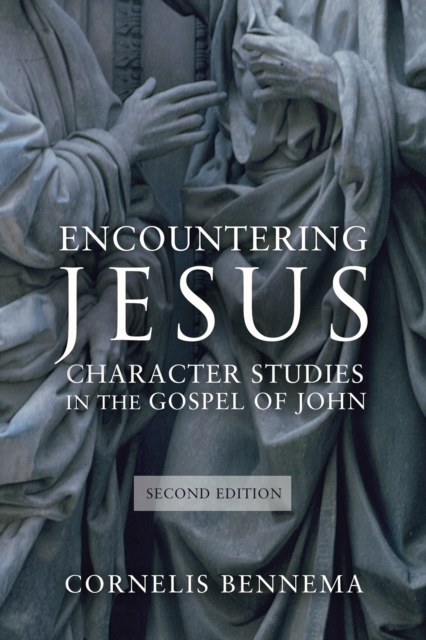
Applying a comprehensive theory of character to the Gospel of John, Cornelis Bennema provides a fresh analysis of both the characters and their responses to Jesus.
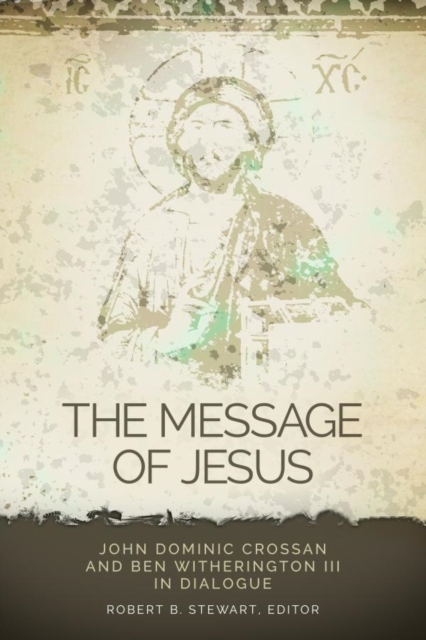
John Dominic Crossan and Ben Witherington III, along with a group of diverse scholars, explore points of agreement and disagreement on the message of Jesus.
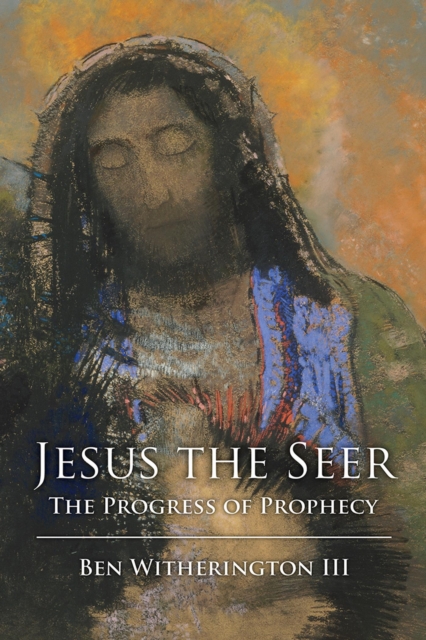
Increasingly, scholars recognize that prophetic traditions, expressions, and experiences stand at the heart of most religions in the ancient Mediterranean world.
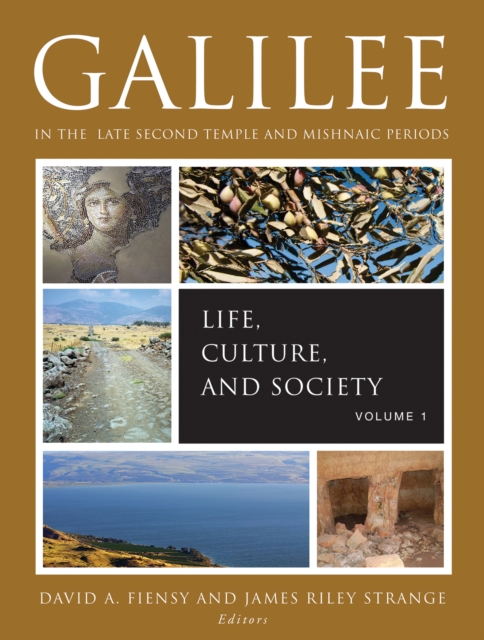
Drawing on the expertise of archaeologists, historians, biblical scholars, and social-science interpreters who have devoted a significant amount of time and energy in the research of ancient Galilee, this accessible volume includes modern general studies of Galilee and of Galilean history, as well as specialized studies on taxation, ethnicity, religious practices, road systems, trade and markets, education, health, village life, houses, and the urban-rural divide.
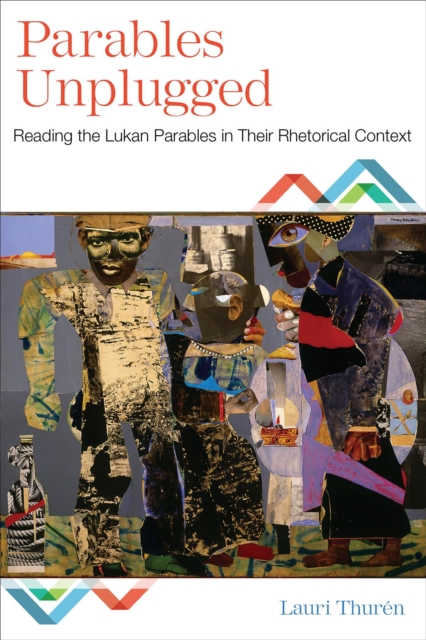
For far too long, Lauri Thuren argues, the parables of Jesus have been read either as allegories encoding Christian theology—including the theological message of one or another Gospel writer—or as tantalizing clues to the authentic voice of Jesus.
Memory and Covenant applies new insights into the meaning and function of social memory to analyze the two major “religions” of the Pentateuch (D and P) and their relationship to one another.
David Schnasa Jacobsen draws together the strengths of two exegetical approaches to the Gospel of Mark in this volume of the Fortress Biblical Preaching Commentaries series.
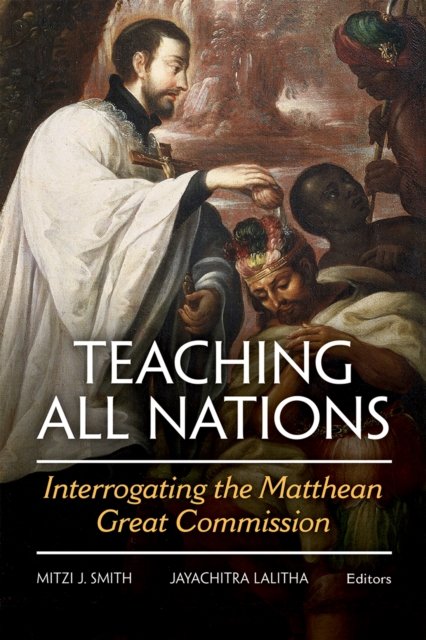
That Christian missionary efforts have long gone hand-in-hand with European colonization and American imperialist expansion in the nineteenth and twentieth centuries is well recognized.
Amid competing portrayals of the "e;cynic Jesus,"e; the "e;peasant Jesus,"e; and the "e;apocalyptic Jesus,"e; the "e;political Jesus"e; remains a marginal figure.