A selection of the most important sources for the cultural and political context of the early Roman Empire and the New Testament writings, Roman Imperial Texts includes freshly translated public speeches, official inscriptions, annals, essays, poems, and documents of veiled protest from the Empire’s subject peoples —all introduced by Mark Reasoner.
At the origin of the Watchers tradition is the single enigmatic reference in Genesis 6 to the sons of God who had intercourse with human women, producing a race of giants upon the earth.
Peterson engages one of the most enduring controversies in current critical scholarship on the Hebrew Bible, the identities and provenances of the authors of the various "e;editions"e; of the Deuteronomistic History.
The Texts @ Contexts series gathers scholarly voices from diverse contexts and social locations to bring new or unfamiliar facets of biblical texts to light.
The Fortress Commentary on the Bible: Old Testament and Apocrypha presents a balanced synthesis of current scholarship, enabling readers to interpret Scripture for a complex and pluralistic world.
Noel and Johnson make the point that Philemon is as important a letter from an African-American perspective as Romans or Galatians have proven to be in Eurocentric interpretation.
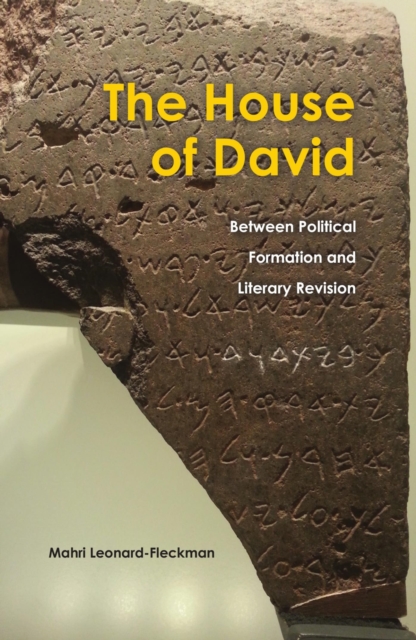
Current scholarly debate over the historical character of David's rule generally considers the biblical portrait to represent David as king of Judah first, and subsequently over "e;all Israel.
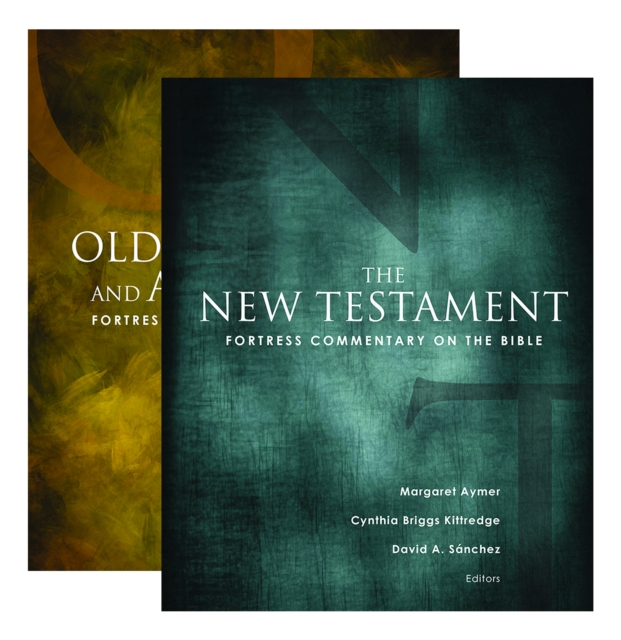
The Fortress Commentary on the Bible: The Old Testament and Apocrypha and Fortress Commentary on the Bible: The New Testament present a balanced synthesis of current scholarship on the Bible, enabling readers to interpret scripture for a complex and pluralistic world.
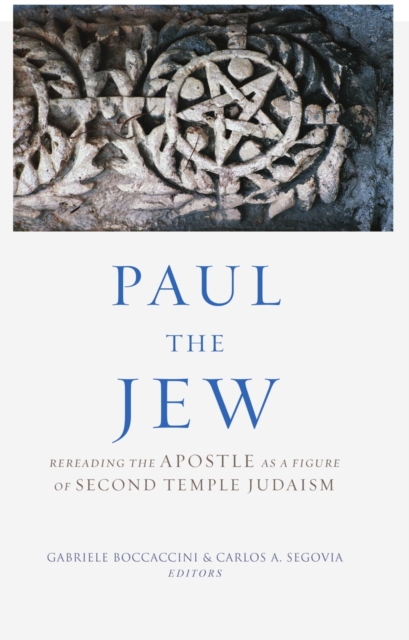
The decades-long effort to understand the apostle Paul within his Jewish context is now firmly established in scholarship on early Judaism, as well as on Paul.
Often, readers and commentators read the Proverbs as timeless observations and recommendations regarding human nature, valid for all cultures and places.
Since the mid-twentieth century, apocalyptic thought has been championed as a central category for understanding the New Testament writings and the letters of Paul above all.
From disagreement over an Islamic Center in New York to clashes between Christians and Muslims in Egypt, tension between the three Abrahamic faiths often runs high.
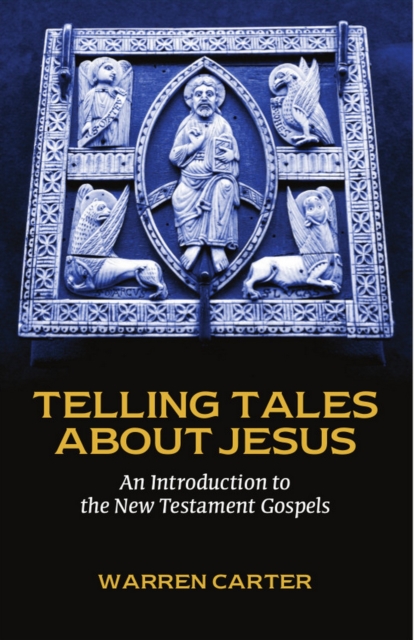
The Gospel writers state they aim to tell the story of Jesus in a clear manner, but throughout Paul McCarren's years in ministry, he has seen that these simple and important messages are too often missed.
The Gospels Today discusses and challenges popular interpretations of familiar gospel texts and themes and quickly presents overviews of important controversies and debates.
Scholars of early Christianity are awakening to the potential of Pompeiis treasures for casting light on the settings and situations that were commonplace and conventional for the first urban Christians.
The decades-long effort to understand the apostle Paul within his Jewish context is now firmly established in scholarship on early Judaism, as well as on Paul.
Current scholarly debate over the historical character of David's rule generally considers the biblical portrait to represent David as king of Judah first, and subsequently over "e;all Israel.
Since the mid-twentieth century, apocalyptic thought has been championed as a central category for understanding the New Testament writings and the letters of Paul above all.
Often, readers and commentators read the Proverbs as timeless observations and recommendations regarding human nature, valid for all cultures and places.
Last Call for the African-American Church revisits the commandment Jesus left his followers to proclaim the gospel worldwide until his return, one that by all accounts is no longer a priority in the contemporary African-American church.
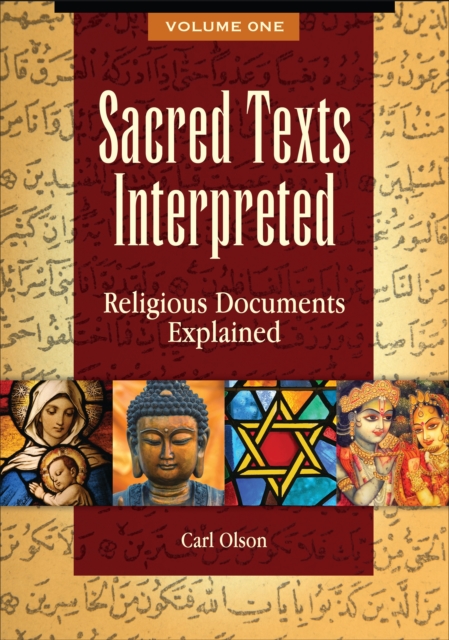
Covering the major monotheistic religions-Christianity, Judaism, and Islam-as well as selected Eastern religions and Baha'i, Zoroastrianism, and Mormonism, this cross-cultural book offers excerpts of sacred texts and interprets passages to enable a deeper understanding of these religious writings.
The Gospel writers state they aim to tell the story of Jesus in a clear manner, but throughout Paul McCarren's years in ministry, he has seen that these simple and important messages are too often missed.
In an age when technology is making our world feel increasingly small and far-flung peoples are interacting with each other more regularly than at any other time in history, the common threads running through vastly different civilizations are not only more obvious but more important to our understanding of ourselves as members of the human race.
We live in an age when it is not uncommon for politicians to invoke religious doctrine to explain their beliefs and positions on everything from domestic to foreign policy.
In this timely and highly readable volume, Old Testament scholar William Holladay introduces the reader to the several ways in which Isaiah speaks, from ancient Jewish readings of the text, to Handel's lyrical use of it in his oratorio, Messiah, to the Christian community who has heard it foretelling the life and death of Jesus Christ.
There have always been historical and philosophical connections between the study of religion and rhetoric, and yet, the phrase "e;sacred rhetoric"e; is rarely found within scholarly conferences, presentations, and publications.
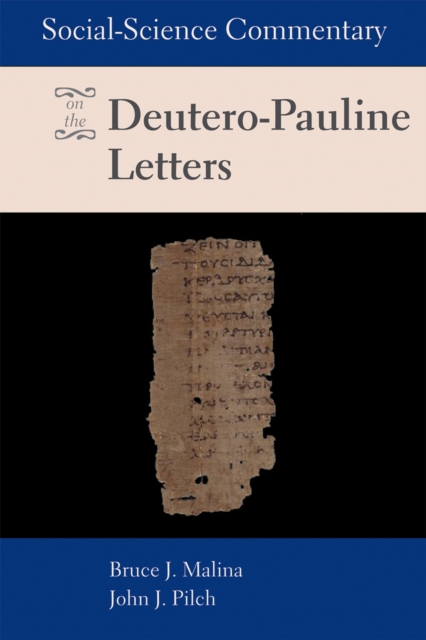
The Social-Science Commentary series pioneers an alternative commentary genre, providing in this volume the text of the deutero-Pauline letters and cultural notes on them.
The Fortress Commentary on the Bible: The Old Testament and Apocrypha and Fortress Commentary on the Bible: The New Testament present a balanced synthesis of current scholarship on the Bible, enabling readers to interpret scripture for a complex and pluralistic world.