Cultural Change and the ChurchFor many years, cross-cultural missions were directed to people in the countries of their birth, generally in Majority World areas.
Cultural Change and the ChurchFor many years, cross-cultural missions were directed to people in the countries of their birth, generally in Majority World areas.
The true story of mission has been deeper, wider, and far more diverse than many Christians in countries with long histories of church presence have realized.
Communicating the Gospel Where Power and Fear ReignWhether in New Age mysticism, occultism, Haitian voodooism, Chinese ancestor veneration, or Japanese Shintoism, animistic beliefs are widespread, even today.
The Missional Impact of Social NetworksIf Christian mission in Asia and most of the non-Western world is ever to advance, it must seriously consider the importance of family networks.
The Missional Impact of Social NetworksIf Christian mission in Asia and most of the non-Western world is ever to advance, it must seriously consider the importance of family networks.
Urban Issues in Buddhist ContextsCommunicating Christ in Asian Cities: Urban Issues in Buddhist Contexts is the sixth volume in a series produced from the annual SEANET Missiological Forum held in Chiang Mai, Thailand.
Urban Issues in Buddhist ContextsCommunicating Christ in Asian Cities: Urban Issues in Buddhist Contexts is the sixth volume in a series produced from the annual SEANET Missiological Forum held in Chiang Mai, Thailand.
Effective Engagement in Short-term Missions represents the single most ambitious effort to date to understand and improve upon patterns of ministry in STM.
Effective Engagement in Short-term Missions represents the single most ambitious effort to date to understand and improve upon patterns of ministry in STM.
On the Road to Community TransformationThis book assists Christians in fulfilling the Great Commission by presenting a clear and actionable plan for sharing the gospel in the cities of America and around the world.
Interdisciplinary Foundations, Methods, and IntegrationThiscomprehensivevolume is one you will pull off your shelf again and again as you delve into missiological study.
The Memoirs of Herman Peter Aschmann, Wycliffe Bible TranslatorTold through private conversations and personal correspondence between Herman Aschmann and the author, with additional insight from Aschmanns family and friends, Translating Christ pieces together the life of Herman Aschmann, Wycliffe Bible translator, and his wife as they lived and worked among the Totonac people of Mexico.
An Analysis of Christian Failings in Communicating Christ to Hindus, with Suggestions Towards ImprovementsLiving Water and Indian Bowl delves into the complex dynamics of Christian evangelism in India, specifically focusing on the communication barriers between Christians and Hindus.
Edgar Ellistons Introduction to Missiological Research Design outlines the basic issues of research design for missiological and church-related research.
An Eastern Orthodox Perspective on ContextualizationThe mission of the Church is to introduce the person of Christ to individual human beings who by faith enter into communion with God.
Interdisciplinary Foundations, Methods, and IntegrationThiscomprehensivevolume is one you will pull off your shelf again and again as you delve into missiological study.
Insights into Christian Mission to Africa From a Position of VulnerabilityIn this compendium, Jim articulates the impact of the nature and shape of the interface between the West and Africa, and how that interface works or does not work.
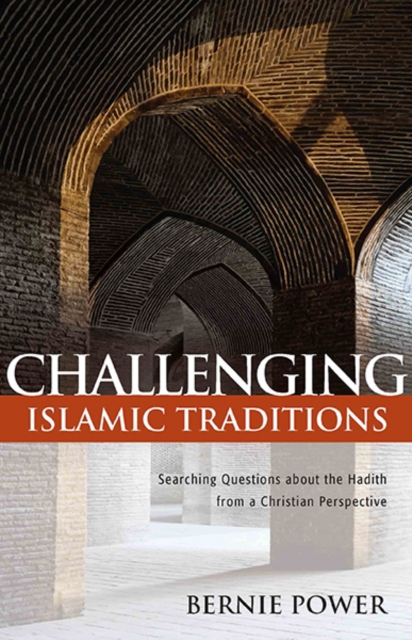
A certainty trap has sprung up within both Islam and Christianity, resulting in a world struggling with the fallout from extremist and violent interpretations of what the word of God might mean.
Reaching Hearts by Understanding MindsIn Worldview for Christian Witness, Charles Kraft invites readers to understand REALITY as God sees it by learning to take seriously the insights of other societies asking questions such as:What exactly is a worldview?
A Brief Look at Theology, History, Scriptures, and Social System with Comments on the Gospel in IndiaVisitors to the world of Hinduism seldom probe its complex system of diverse beliefs and practices.
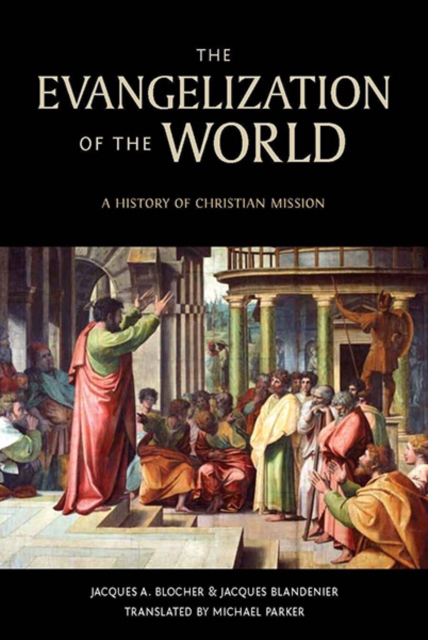
A History of Christian MissionsWritten in an engaging style and intended largely for a lay audience, The Evangelization of the World tells the remarkable story of how Christianity grew from an insignificant Jewish sect in the first century until, by the beginning of the twenty-first century, it had become the worlds first truly global religion.
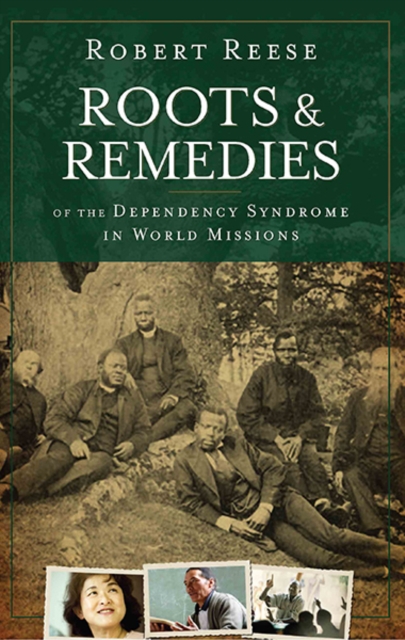
Ending Dependency, Empowering Mission: A Call to Sustainable Global ChristianityThe Christian movement is entering a new postcolonial era with centers of the faith on all continents.
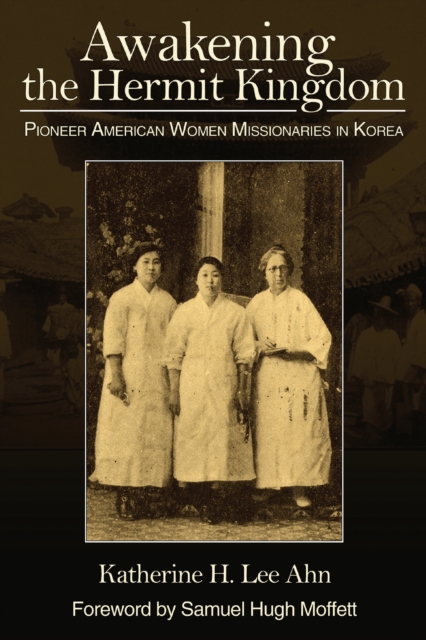
Pioneer American Women Missionaries in KoreaAwakening the Hermit Kingdom: Pioneer American Women Missionaries in Korea gives a focused look at the long-ignored subject, the pioneer women missionaries to the Hermit Kingdom, as the early missionaries often called Korea.
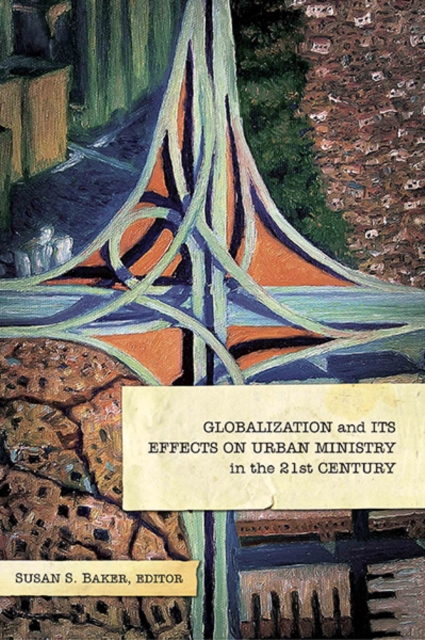
When we think about globalization with the eyes and heart of a sovereign mission God, we must recognize the vast opportunities before us as God is moving His people around the world, bringing the gospel with them in new and different ways.
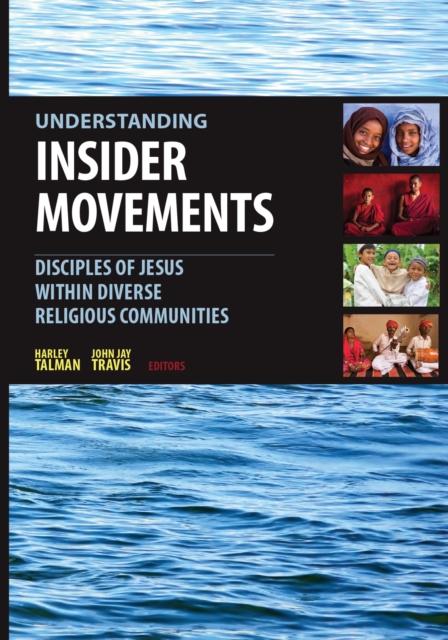
Disciples of Jesus within Diverse Religious CommunitiesFor the first time in history, large numbers of people from the worlds major non-Christian religions are following Jesus as Lord.
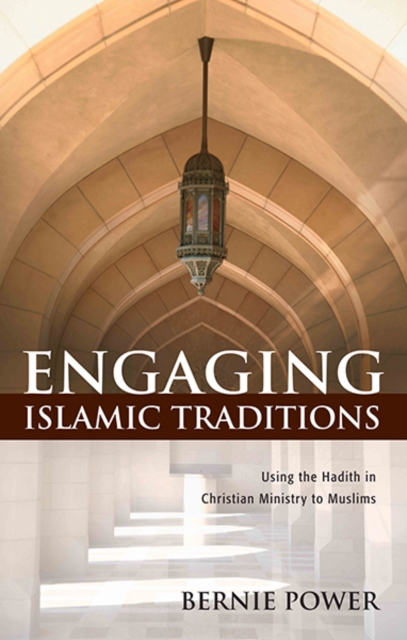
Using the Hadith in Christian Ministry to MuslimsThe Hadith have long been neglected by Christians, yet they may hold the key to reaching Muslims with the good news of Jesus Christ.