"e;Walter Brueggemann is the master of finding fresh and compelling dimensions of meaning in texts so familiar they barely scratch the surface of our consciousness.
This first volume of Sermons by Jonathan Edwards on the Matthean Parables contains a previously unpublished series by Edwards on Jesus' Parable of the Wise and Foolish Virgins, as found in Matthew 25.
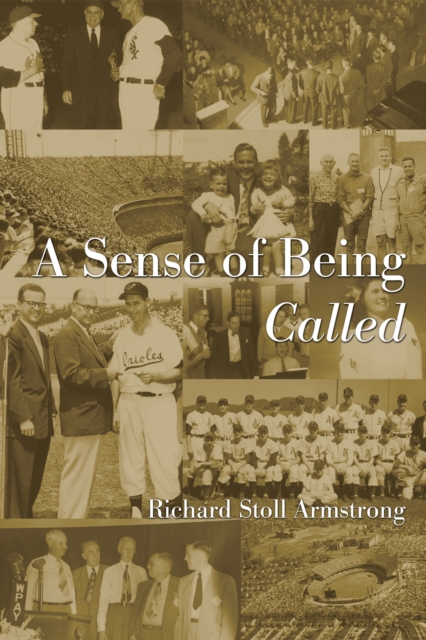
Dick Armstrong was thoroughly committed to his promising future as a major league baseball front-office executive until something happened that completely changed his life and steered him in a totally new direction.
How do you let the Spirit work in you to bear good fruit when you're dealing with the never-ending drama of social media, a frustrating coworker, or the aggravating next-door neighbor?
The New York Times bestselling author and senior fellow at the Discovery Institute blends science and religion in this thoughtful guide that teaches modern believers how to use the leading wellness trend todayintermittent fastingas a means of spiritual awakening, adopting the traditions our Christians ancestors practiced for centuries into daily life.
This highly praised handbook on ministry is an essential resource for clergy and laity alike--clear, readable, theologically sound, and pastorally wise.
Charlie's Christmas Letter is a little document in the form of a letter to my grandson, which seeks to answer the questions that a bright teenager ought to be asking: Why were the shepherds in the fields in winter?
Rather than chronicling the well-reported sexual abuse scandal or advocating a particular reform agenda, David Gibson shows how the crisis in the church is unleashing forces that will change American Catholicism forever.
In her controversial 1992 bestseller Jesus the Man, Barbara Thiering first showed how the pesher method of 'decoding' two separate levels of meaning found in the Dead Sea Scrolls could be used by applying it to the Gospels, and presented a completely new historical interpretation of the life of Jesus Christ.
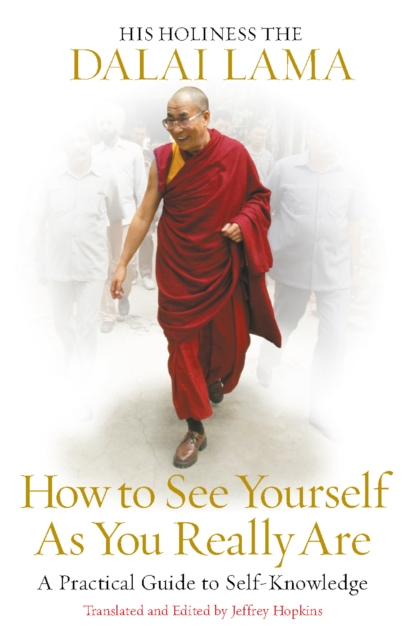
Full of insights and very practical, this important book by the Dalai Lama shows that self-knowledge is the key to personal development and creating positive relationshipsHow to See Yourself As You Really Are is based on a fundamental Buddhist belief that love and insight work together to bring about enlightenment, like two wings of a bird.
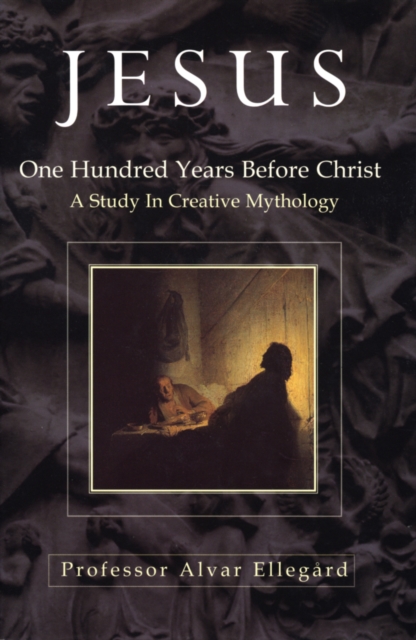
The starting point for the book is the following anomoly: If Jesus lived as has been supposed at the beginning of the 1st century AD, the only NT documents written by a near contemporary, the Epistles of St Paul, make no mention of him as an historical figure, neither do they record any of his sayings, but rather they talk of him as a vision or mystical experience of the risen Christ.
* Winner of the National Book Critics Circle Award * National Book Award Finalist * Time magazine Top 10 Nonfiction Book of the Year * New York Times Notable Book ';We have long needed a fair-minded overview of this vitally important religious sensibility, and FitzGerald has now provided it' (The New York Times Book Review).
One of the most acclaimed and perceptive observers of globalism and Buddhism now gives us the first serious consideration - for Buddhist and non-Buddhist alike - of the Fourteenth Dalai Lama's work and ideas as a politician, scientist, and philosopher.
In 1854, American Presbyterian missionaries arrived in Egypt as part of a larger Anglo-American Protestant movement aiming for worldwide evangelization.
After fifteen weeks on the New York Times Bestseller list, God's Politics not only changed the conversation about faith and politics in this country, it began a movement.
New York Times bestseller God's Politics struck a chord with Americans disenchanted with how the Right had co-opted all talk about integrating religious values into our politics, and with the Left, who were mute on the subject.
In a world torn apart by religious extremism on the one side and a strident secularism on the other, no question is more urgent than how we live with our deepest differencesespecially our religious and ideological differences.