Enduring lessons from the desert soundscapes that shaped the Christian monastic traditionFor the hermits and communal monks of antiquity, the desert was a place to flee the cacophony of ordinary life in order to hear and contemplate the voice of God.
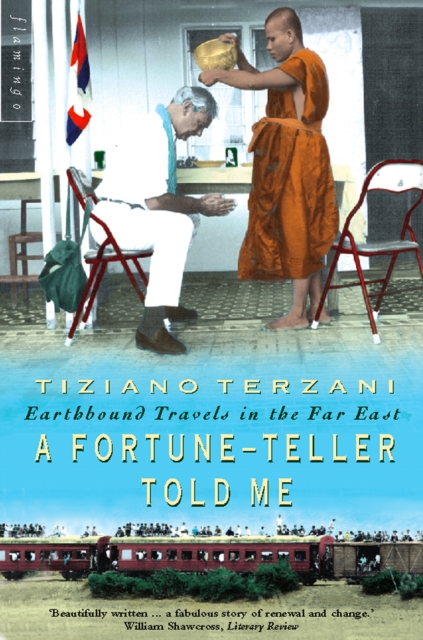
After the best-seller The End is My Beginning, co-authored with his father Tixiano Terzani, the long-awaited Folco Terzani's comeback with a spiritual fable of nature, men and God.
From the author of the acclaimed biography Martin Luther: Renegade and Prophet, new perspectives on how Luther and others crafted his larger-than-life imageMartin Luther was a controversial figure during his lifetime, eliciting strong emotions in friends and enemies alike, and his outsized persona has left an indelible mark on the world today.
The Little Book of Advent is an indispensable collection of readings from some of the most celebrated modern-day spiritual writers, with passages specially selected for each day of Advent.
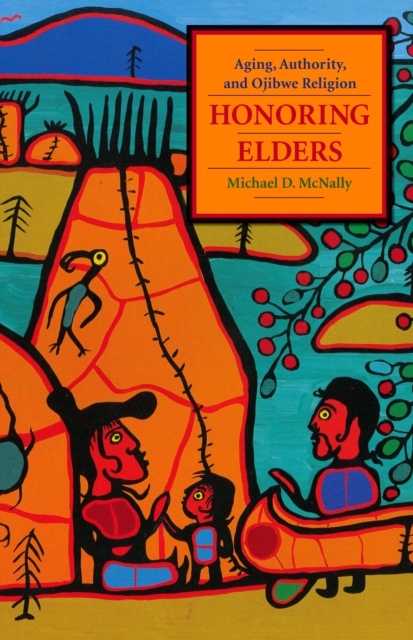
Like many Native Americans, Ojibwe people esteem the wisdom, authority, and religious significance of old age, but this respect does not come easily or naturally.
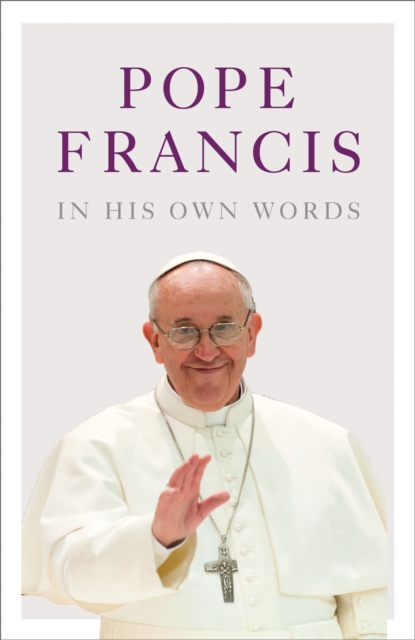
A wide-ranging collection of quotes from the new Pope's writings and speeches, revealing his opinions on the moral issues surrounding the Catholic Church today - from wealth inequality to assisted suicide, contraception and homosexuality to celibacy and the role of women.
The story of how Europe was converted to Christianity from 300AD until the barbarian Lithuanians finally capitulated at the astonishingly late date of 1386.
This Gem provides a guide to the lives of the most popular saints - who they were, how they became saints and for whom they have a particular importance.
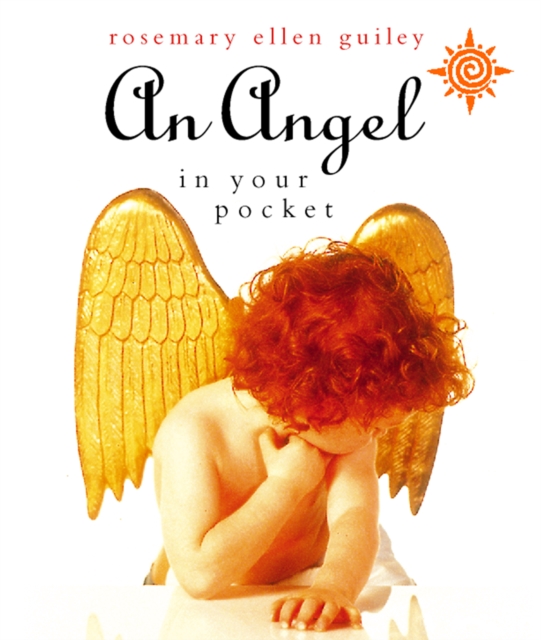
Bestselling author Rosemary Ellen Guiley's easy-to-use, practical guide for opening to angelic guidance and wisdom, focusing on how to communicate with angels and how you know when you've got an answer.
A stimulating inquiry into one of the great religious mysteries - and what theologians, artists, writers, psychologists, priests, historians and people from all religions and walks of life have thought of heaven, where many of us still hope to go one day.
Irish Sunday Times BestsellerA true story of war, peace and friendship: a Nazi colonel and an Irish priestThe story begins in Rome at the outbreak of WWII, when ardent Nazi Herbert Kappler, SS Obersturmbanfuhrer, and Monsignor Hugh O'Flaherty would become adversaries in a real-life game of 'cat and mouse' of epic proportions.
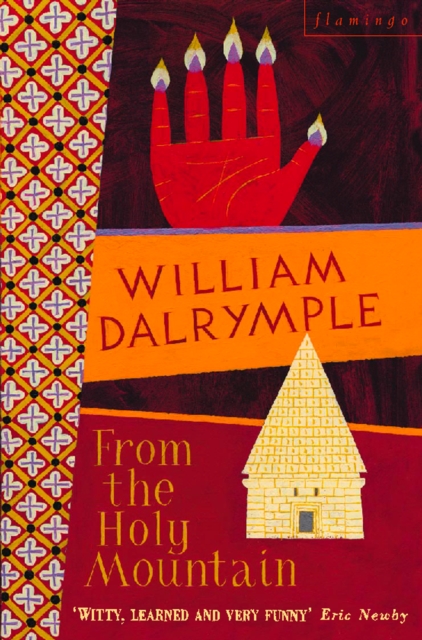
A rich blend of history and spirituality, adventure and politics, laced with the thread of black comedy familiar to readers of William Dalrymple's previous work.
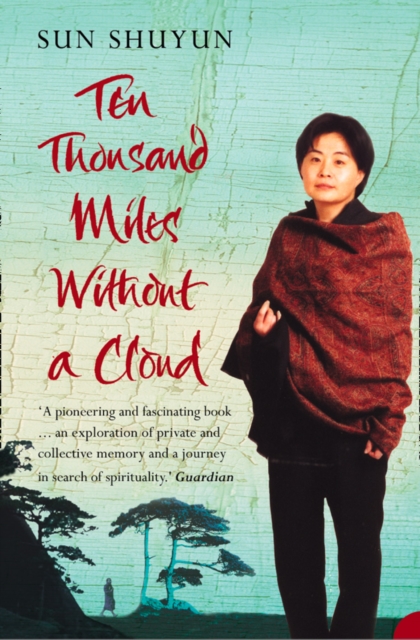
Ten Thousand Miles Without a Cloud is a beautifully written account of Sun Shuyun's journey to retrace the steps of one of the most popular figures in Chinese history - the monk Xuanzang, who travelled to India searching for true Buddhism.
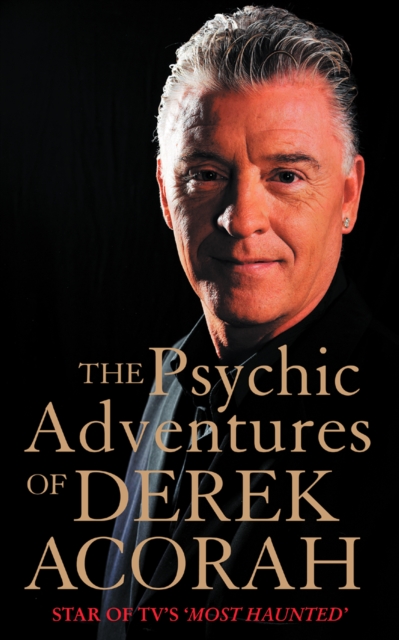
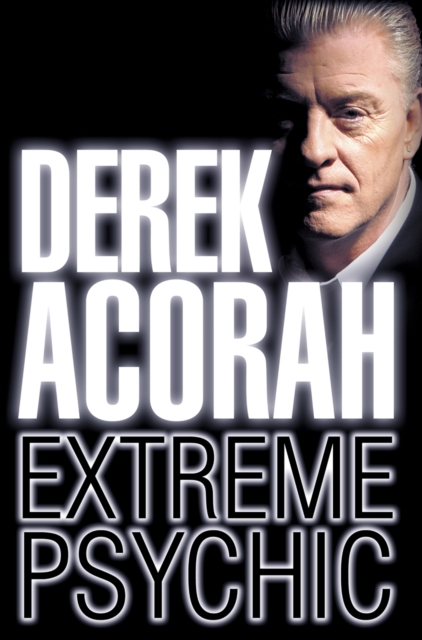
The UK's number one TV psychic Derek Acorah tells of his experiences with the spirit world, from his one-to-one readings and consultations to international performances and renowned investigations for Living TV's Most Haunted.
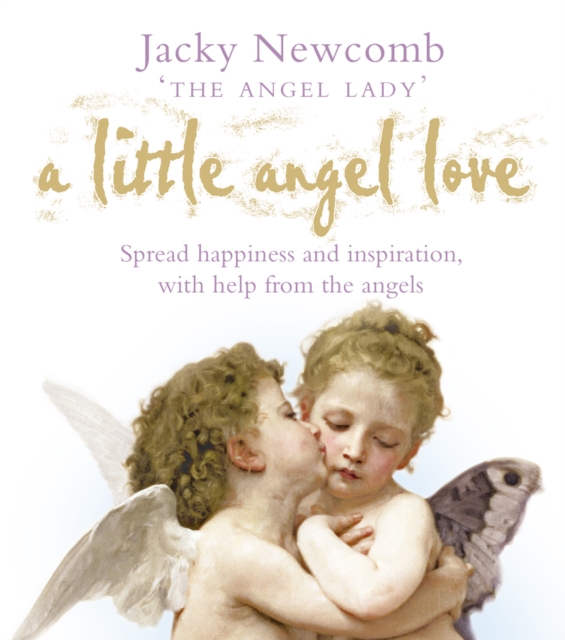
SPECIAL PRICE FOR A LIMITED TIMEBring love, happiness and fulfilment into your own life and those around you, with this gift book of inspirational guidance, quotes and stories of angels and spirits from the other side.
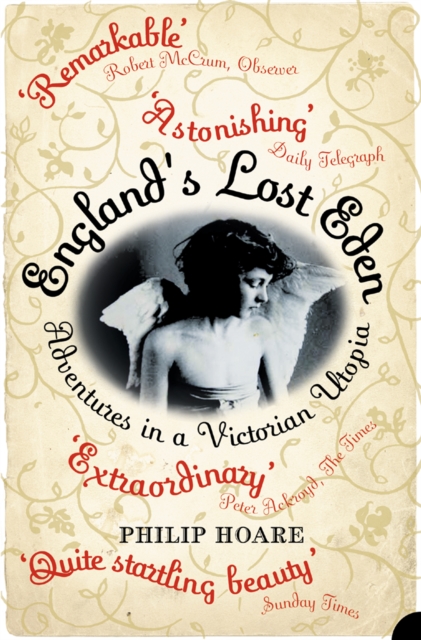
A kaleidoscopic story of myth, Spiritualism, and the Victorian search for Utopia from one of the brightest and most original non-fiction writers at work today.
Two veteran journalists tell the inside story of convicted hate-monger Abu Hamza, his infamous Finsbury Park Mosque and how it turned out a generation of militants willing to die - and kill - for their cause.
The development of meaningful relationships, where every member carries a significant sense of belonging, is central to what it means to be the church.