The fourteenth-century controversy between the Dominican Durandus of St Pourcain and his order plays a central role in explaining the later success of Thomism.
Brent Waters examines the historical roots and contemporary implications of the virtual disappearance of the family in late liberal and Christian social and political thought.
Lanfranc of Pavia was archbishop of Canterbury from 1070 to 1089, and so for nineteen critical years in the history of the Anglo-Norman church and kingdom after the Norman conquest of 1066.
Significant advances in science bring new understandings of the human as a unity of mind, body and world and calls into question the deep-seated dualistic presuppositions of modern theology.
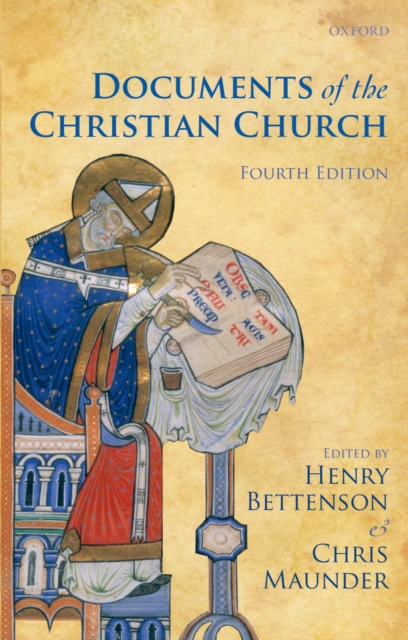
This selection of writings from the most important moments in the history of Christianity has become established as a classic reference work, providing insights into 2000 years of Christian theological and political debate.
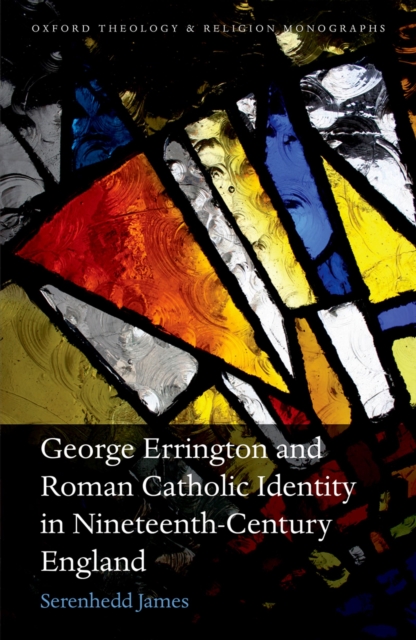
The Victorian Archbishop of Trebizond, George Errington (1804-1886) was one of the most prominent figures of nineteenth-century English Roman Catholicism.
The Victorian Archbishop of Trebizond, George Errington (1804-1886) was one of the most prominent figures of nineteenth-century English Roman Catholicism.
The Greek Historia Monachorum in Aegypto was one of the most widely read and disseminated Greek hagiographic texts during Late Antiquity and the Middle Ages.
The Greek Historia Monachorum in Aegypto was one of the most widely read and disseminated Greek hagiographic texts during Late Antiquity and the Middle Ages.
This book is the first publication of a very early set of Christian monastic rules from Roman Egypt, accompanied by four preliminary chapters discussing their historical and social context and their character as rules.
Through its missionary, pedagogical, and scientific accomplishments, the Society of Jesus-known as the Jesuits-became one of the first institutions with a truly "e;global"e; reach, in practice and intention.
Islam has become a potent political force around the world since it reemerged in the late 1960's and 1970's as a religio-political alternative to failed nationalist ideologies.
Islam has become a potent political force around the world since it reemerged in the late 1960's and 1970's as a religio-political alternative to failed nationalist ideologies.
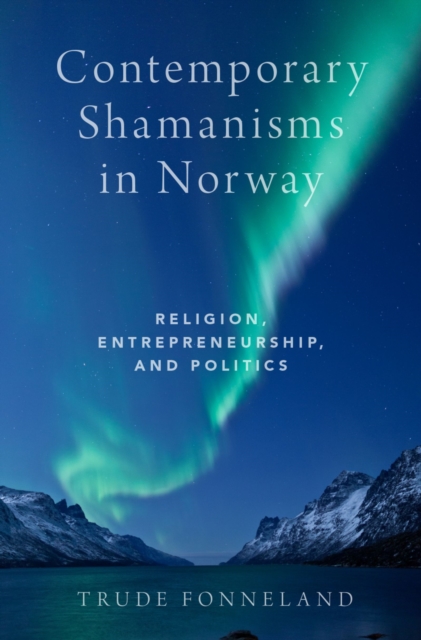
One of the fastest growing religious movements in the Western world, neo-shamanism embraces notions and techniques borrowed from various tribal peoples and adapted to the life of contemporary urban dwellers.
One of the fastest growing religious movements in the Western world, neo-shamanism embraces notions and techniques borrowed from various tribal peoples and adapted to the life of contemporary urban dwellers.
Through its missionary, pedagogical, and scientific accomplishments, the Society of Jesus-known as the Jesuits-became one of the first institutions with a truly "e;global"e; reach, in practice and intention.
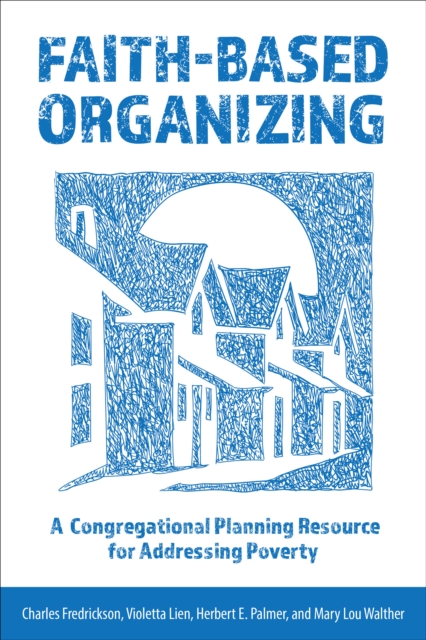
Faith-Based Organizing: A Congregational Planning Resource for Addressing Poverty was prepared specifically for pastors and lay leaders who want to invite their whole congregations to engage in faith-based community organizing to address poverty and its root causes.
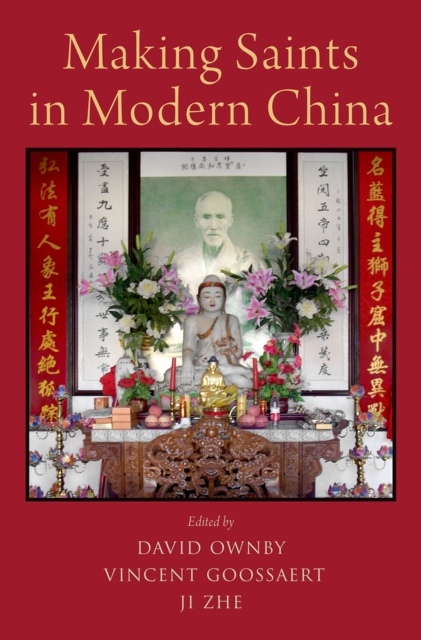
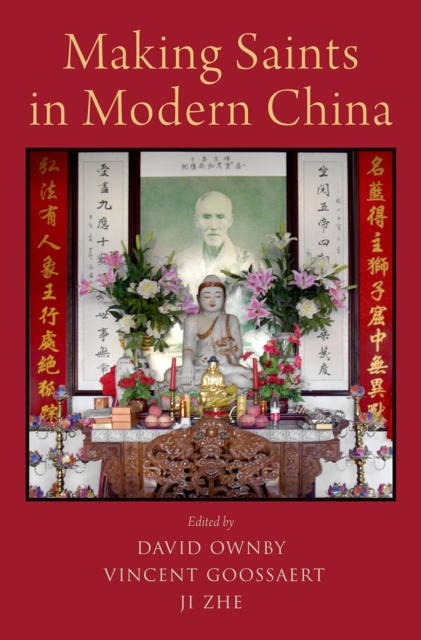
"e;Sainthood"e; has been, and remains, a contested category in China, given the commitment of China's modern leadership to secularization, modernization, and revolution, and the discomfort of China's elite with matters concerning religion.
"e;Sainthood"e; has been, and remains, a contested category in China, given the commitment of China's modern leadership to secularization, modernization, and revolution, and the discomfort of China's elite with matters concerning religion.
William Bentley, pastor in Salem, Massachusetts from 1783 to his death in 1819, was unlike anyone else in America's founding generation, for he had come to unique conclusions about how best to maintain a traditional understanding of Christianity in a world ever changing by the forces of the Enlightenment.
The Fengdao kejie or "e;Rules and Precepts for Worshiping the Dao"e; dates from the early seventh century and is a key text of medieval Daoist priesthood and monasticism, which was first formally organized in the sixth century.