Insights from Reading the Bible with the Poor provides a spirited introduction to methodologies and strategies for reading the Bible "e;from below"e;--from the back of what used to be church sanctuaries, from basements, from sidewalks.
World Christianity, Urbanization and Identity argues that urban centers, particularly the largest cities, do not only offer places for people to live, shop, and seek entertainment, but deeply shape people's ethics, behavior, sense of justice, and how they learn to become human.
Comedians tend to view the world somewhat askew or askance, and that view--a kind of hermeneutical lens for discerning the comedic in daily life--serves to frame, reframe, and even de-frame reality.
Tribe explores the issues of reciprocity in cross-race and cross-class relationships using stories, narrative, and sociological insights and perspectives derived from urban fieldwork and the author's own life.
Although written from a Lutheran religious tradition, the invitation and reach of They Are Us: Lutherans and Immigration, Second Edition is broad and inclusive.
Author Dana Horrell has called on his years of experience in community action to create this practical guide to help congregations reach out to their local communities.
Twelve time-honored Christian practices that will help us, and the world, to flourishPracticing Our Faith offers help to Christians who are asking how our faith can help us discern what we might do and who we might become.
Steve Thomason's plan was that after graduating from college, God would allow him to become a Disney animator so that one day he could open his own animation studio.
A hands-on resource for all Christians who want to communicate with more passion and powerTony Campolo and Mary Albert Darling have teamed up to explore the dynamic connection that occurs when spirituality/spiritual practices are combined with effective communication practices.
What the emergent church movement is all about and why it matters to the future of ChristianityFollowing on the questions raised by Brian McLaren in A New Kind of Christian, Tony Jones has written an engaging exploration of what this new kind of Christianity looks like.
Recovering Abundance: Twelve Practices for Small-Town Leaders invites readers to live a new story--to join a movement of renewal for small towns and rural communities.
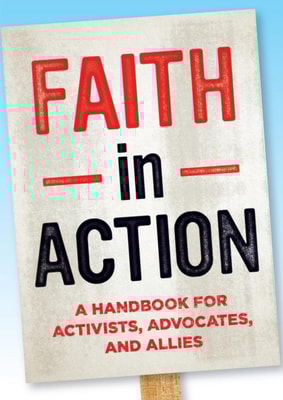
Pastors are often ill-equipped in preparing churches to be sacred advocates and activists in the communities most affected by social injustice and neglect.
Matthew Gorkos begins The Storied Church with this compelling statement: "e;I believe in the church--in the power of faithful people serving a good and gracious God--and I believe in the power of a good story.
Missiologists and theologians do not often talk to each other, which has resulted in increased ignorance of each others questions and concerns about how to do theology in ways that effectively serve the Churchs mission.
Mechanistic dehumanization occurs when human beings are objectified and exploited as a means to an end, comparable to expendable components of a machine.
In 2020s Foresight, authors Tom Sine and Dwight Friesen seek to "e;wake up"e; Christian leaders and those whom they serve to the realities that leaders in other fields must deal with all the time.
Donald Trump, a thrice-married, no-need-of-forgiveness, blustery billionaire who rarely goes to church, won more Evangelical Christian votes than any candidate in history on his way to winning the 2016 US presidential election.
When Christians are kicked out of their conservative churches or leave because they no longer feel at home, they embark on a journey of freedom and fear, love and loneliness, empowerment and pain.
Galvanized by Erasmus' teaching on free will, Martin Luther wrote De servo arbitrio, or The Bondage of the Will, insisting that the sinful human will could not turn itself to God.
On December 10, 1953, tragedy was visited on a family when Nathaniel Allen was murdered on the Sampit River by his white employer, who lured him into the meeting under the false promise of reconciliation.
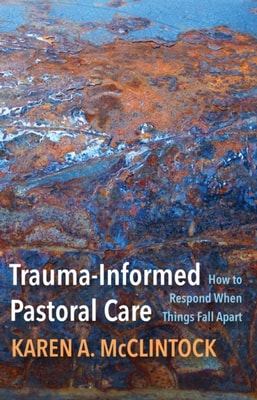
Clergy are more likely than ever to be called on to respond to community trauma, sitting alongside trauma survivors after natural disasters, racial violence, and difficult losses.