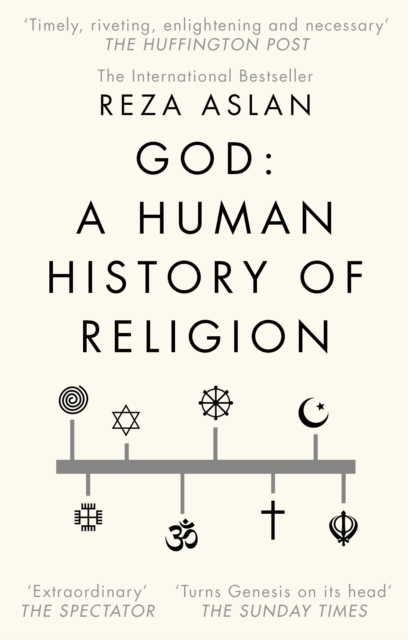
Because "e;God"e; is infinite, nobody can have the last word What is this thing, religion, supposedly the cause of bloodshed and warring for centuries?
THE NEW YORK TIMES BESTSELLERIn God, Reza Aslan sheds new light on mankind s relationship with the divine and challenges our perspective on the history of faith and the birth of religion.
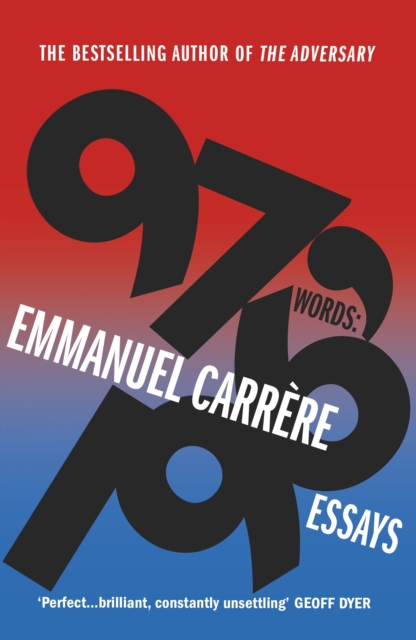
Read the definitive essay collection from the Sunday Times bestselling author of The Adversary, dubbed 'France's greatest writer of non-fiction' (New York Times)'The most exciting living writer' Karl Ove KnausgaardOver the course of his career, Emmanuel Carr re has reinvented non-fiction writing.
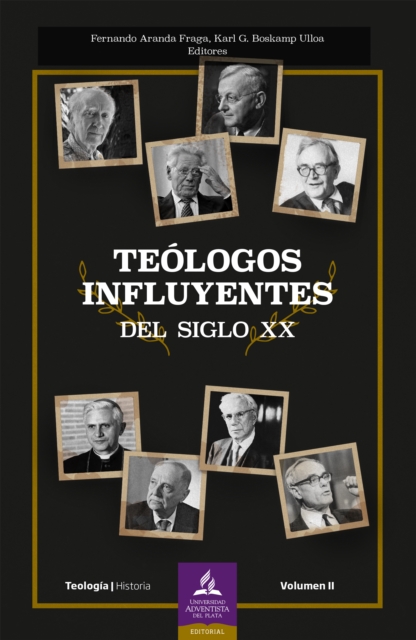
La presente obra comprende la segunda parte de la serie Teólogos Influyentes del Siglo xx, publicada por la Editorial de la Universidad Adventista del Plata, bajo el auspicio de la Facultad de Teología de la Institución.
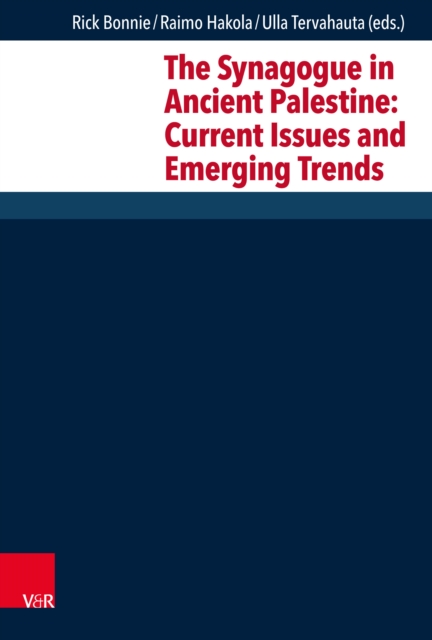
This book brings together leading experts in the field of ancient synagogue studies to discuss the current issues and emerging trends in the study of synagogues in ancient Palestine.
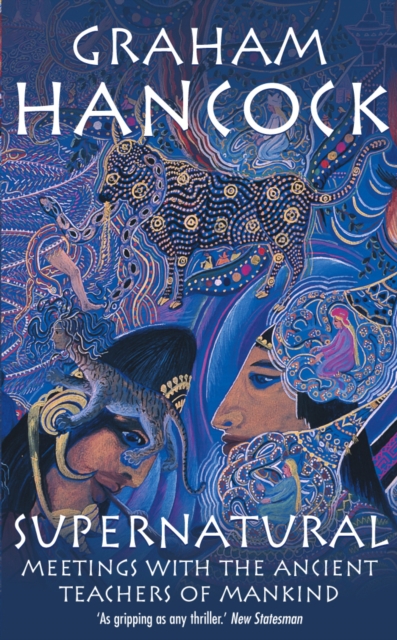
From the bestselling author of Fingerprints of the Gods, and creator of the explosive Netflix series, Ancient Apocalypse____________________________________'Supernatural: of or relating to things that cannot be explained according to natural laws.
Die Beschäftigung mit der Frage, ob und in welchem Umfang Laien an der Leitungsgewalt in der katholischen Kirche beteiligt sein können, führte seit dem Zweiten Vatikanischen Konzil bis in die heutige Zeit hinein ein breites Spektrum an Positionen und Antwortversuchen zu Tage.
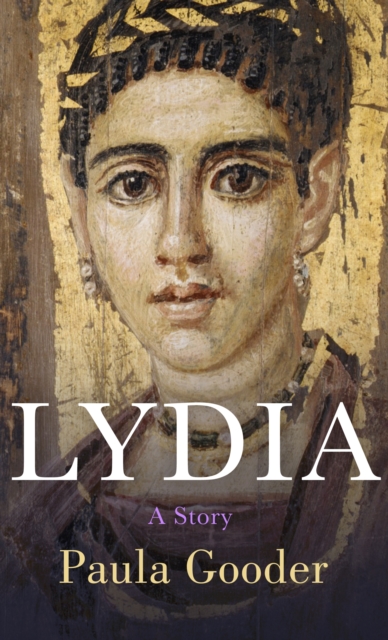
Winner - CRT Christian Book of the Year, 2023The New Testament tells us very little about Lydia, a seller of purple cloth who was living in Philippi when she met the apostle Paul on his second missionary journey.
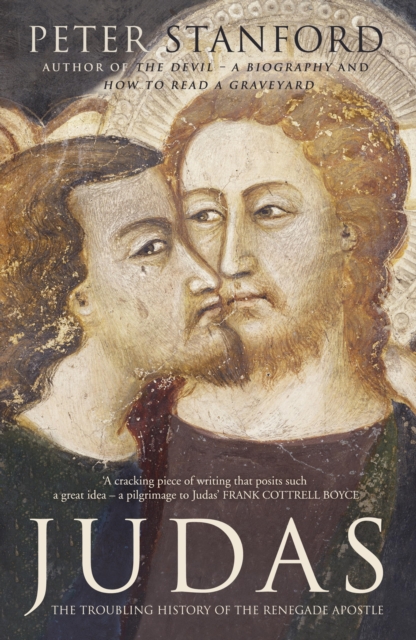
In this fascinating historical and cultural biography, writer and broadcaster Peter Stanford deconstructs that most vilified of Bible characters: Judas Iscariot, who famously betrayed Jesus with a kiss.
Dave Tomlinson's book How to Be a Bad Christian was written for all those who want God without the guff - revealing that being a 'bad' Christian is perfectly good enough, and that it's possible to ditch religion without losing the faith.
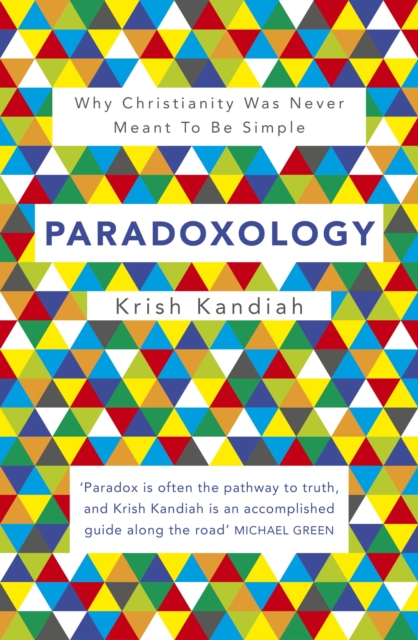
The Christian faith is full of apparent paradoxes:- a compassionate God who sanctions genocide- an all-powerful God who allows horrific suffering- a God who owns everything yet demands so much from his followers- a God who is distant and yet present at the same timeMany of us have big questions that the Christian faith seems to leave unanswered.
KNOWING GOD is one of the most significant and popular Christian books of our time and has deepened the faith and understanding of millions of people around the world.
Beth Redman, bestselling author of Soul Sista, has written a unique, much-needed new book to affirm and encourage young women in their relationship with God and with others.
Speaker, journalist and bestselling author Philip Yancey has travelled the world tackling the most challenging questions: Can God truly bring solace to the terrorised people of Mumbai, or the students who witnessed the murder of their classmates?
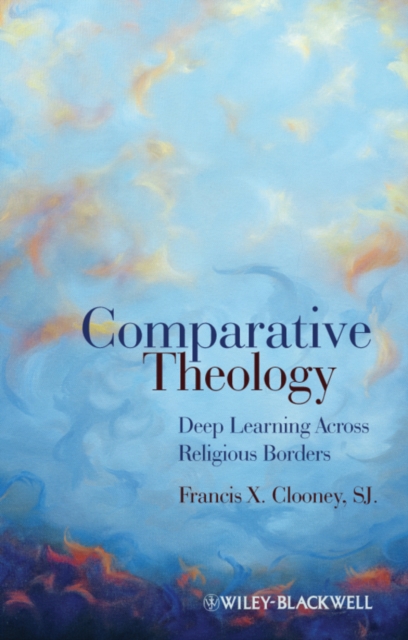
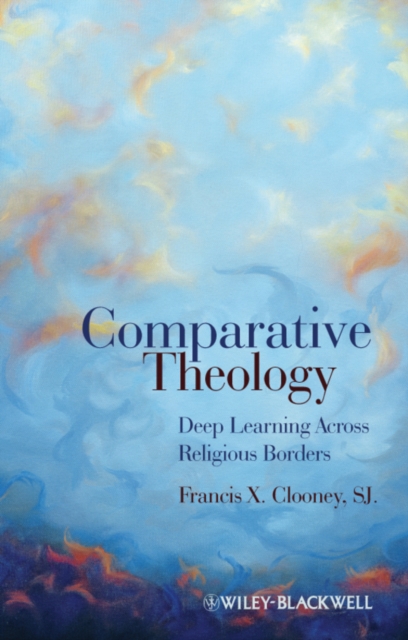
Drawing upon the author s three decades of work in comparative theology, this is a pertinent and comprehensive introduction to the field, which offers a clear guide to the reader, enabling them to engage in comparative study.
Drawing upon the author s three decades of work in comparative theology, this is a pertinent and comprehensive introduction to the field, which offers a clear guide to the reader, enabling them to engage in comparative study.
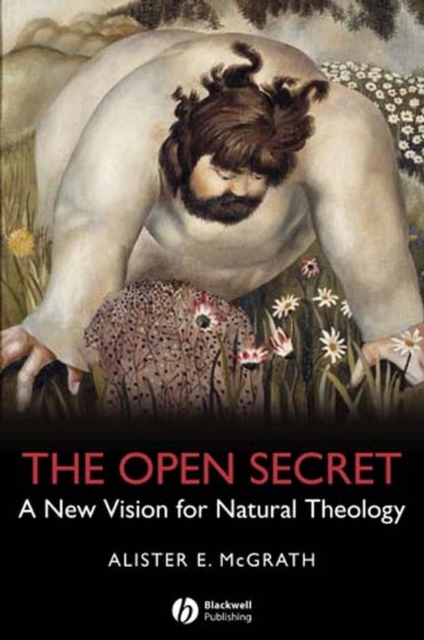
With the help of in-depth essays from some of the world's leading philosophers, The Blackwell Companion to Natural Theology explores the nature and existence of God through human reason and evidence from the natural world.