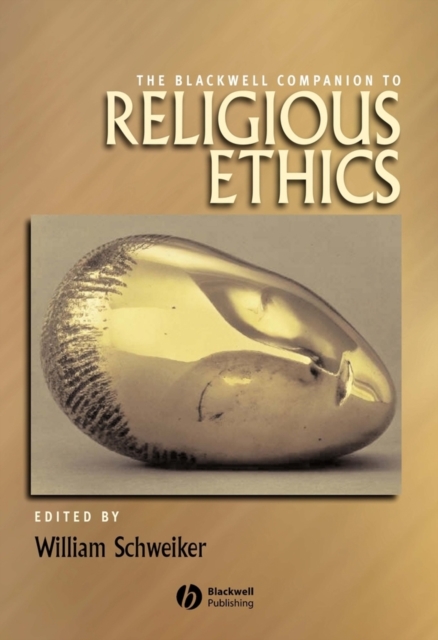
Written by internationally renowned scholars, this Companion maps the moral teachings of the world s religions, and also charts new directions for work in the field of religious ethics.
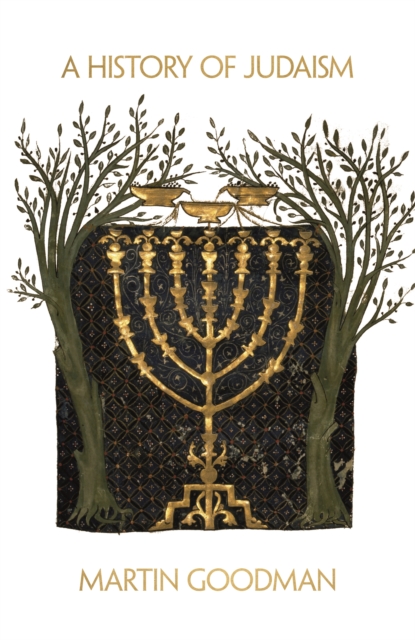
A sweeping history of Judaism over more than three millenniaJudaism is one of the oldest religions in the world, and it has preserved its distinctive identity despite the extraordinarily diverse forms and beliefs it has embodied over the course of more than three millennia.
A groundbreaking new theory of religionReligion remains an important influence in the world today, yet the social sciences are still not adequately equipped to understand and explain it.
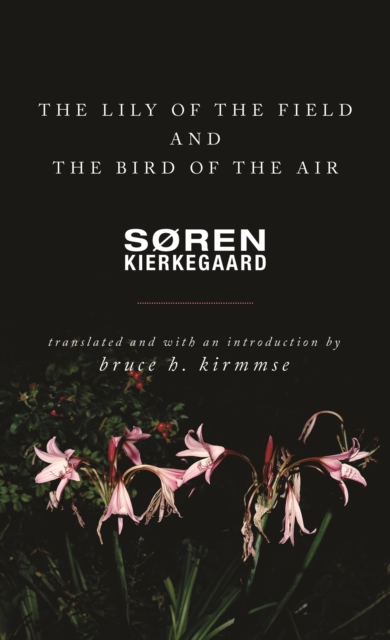
A masterful new translation of one of Kierkegaard's most engaging worksIn the Sermon on the Mount, Jesus tells his followers to let go of earthly concerns by considering the lilies of the field and the birds of the air.
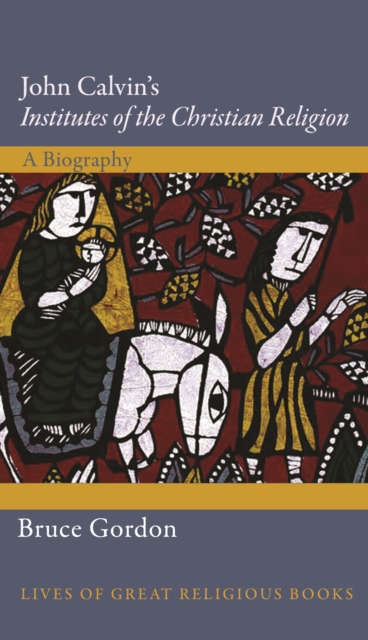
An essential biography of the most important book of the Protestant ReformationJohn Calvin's Institutes of the Christian Religion is a defining book of the Reformation and a pillar of Protestant theology.
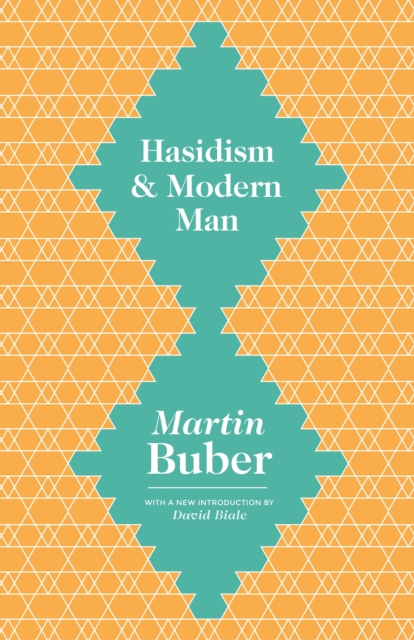
Hasidism, a controversial, mystical-religious movement of Eastern European origin, has posed a serious challenge to mainstream Judaism from its earliest beginnings in the middle of the eighteenth century.
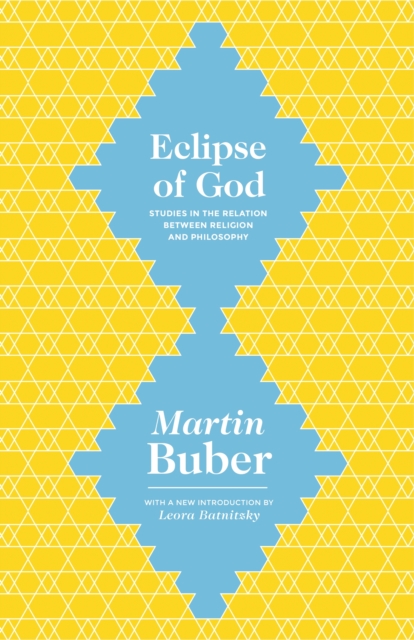
Biblical in origin, the expression "e;eclipse of God"e; refers to the Jewish concept of hester panim, the act of God concealing his face as a way of punishing his disobedient subjects.
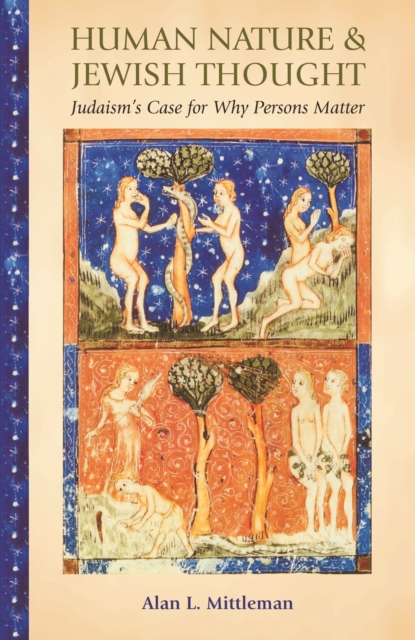
What Jewish tradition can teach us about human dignity in a scientific ageThis book explores one of the great questions of our time: How can we preserve our sense of what it means to be a person while at the same time accepting what science tells us to be true-namely, that human nature is continuous with the rest of nature?
Walter Lowrie's classic, bestselling translation of Soren Kierkegaard's most important and popular books remains unmatched for its readability and literary quality.
"e;In the vast literature of love, The Seducer's Diary is an intricate curiosity--a feverishly intellectual attempt to reconstruct an erotic failure as a pedagogic success, a wound masked as a boast,"e; observes John Updike in his foreword to Soren Kierkegaard's narrative.
The most authoritative anthology of Islamist textsThis anthology of key primary texts provides an unmatched introduction to Islamist political thought from the early twentieth century to the present, and serves as an invaluable guide through the storm of polemic, fear, and confusion that swirls around Islamism today.
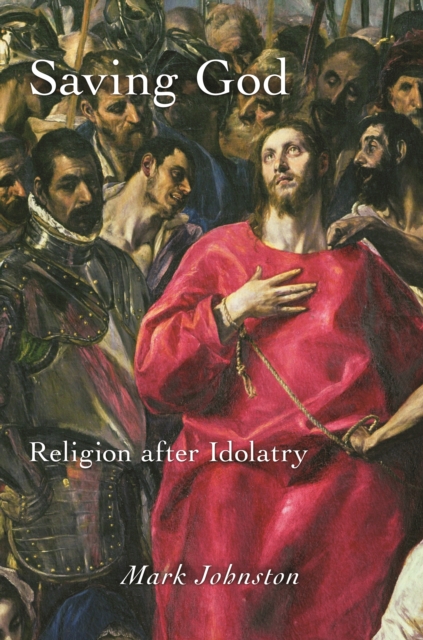
A bold and persuasive case for abandoning old religions and still believing in GodIn this book, Mark Johnston argues that God needs to be saved not only from the distortions of the "e;undergraduate atheists"e; (Richard Dawkins, Christopher Hitchens, and Sam Harris) but, more importantly, from the idolatrous tendencies of religion itself.
The most authoritative anthology of Islamist textsThis anthology of key primary texts provides an unmatched introduction to Islamist political thought from the early twentieth century to the present, and serves as an invaluable guide through the storm of polemic, fear, and confusion that swirls around Islamism today.
In Anbetracht einer anstehenden Revision der bisherigen Trauagenden nimmt ein Beitrag deren historische Traditionen, die Begriffe Verlobung und Trauung, das Verhältnis von staatlichem und kirchlichem Handeln, die theologischen Verständnisse von Ehe ebenso wie die Vermittlung von Tradition und Situation in den Blick.
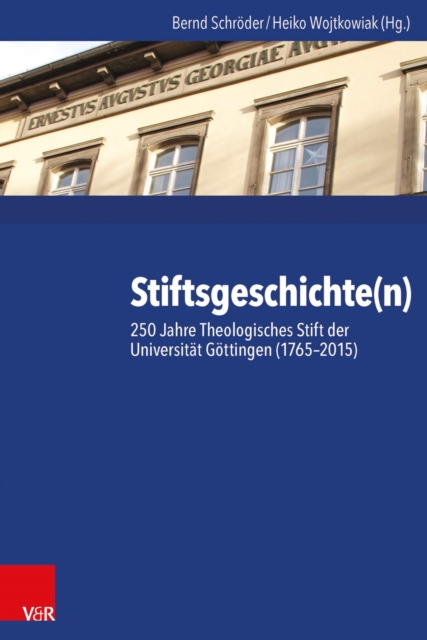
Published on the occasion of the 250th birthday of the Theology Stift of the University of Göttingen, this volume retells the history of one of the University´s oldest institutions.
Die Lektüre des Ersten Petrusbriefs gewinnt für christliche Gemeinden der Gegenwart wie auch für einzelne Christen schon allein dadurch besondere Relevanz, dass sie zunehmend diasporale Erfahrungen teilen.
Castellio's plea for religious tolerance and his refusal of prosecution of dissenters are as relevant today as they had been in 1554 when Michel Servet's burning at the stake occasioned Castellio's protest.
Spätestens durch die 2006 beschlossene Behindertenrechtskonvention der Vereinten Nationen hat der Begriff der »Inklusion« in der gesellschaftlichen Diskussion erheblichen Einfluss gewonnen.
This collection of essays, a companion volume to the book, Twentieth-Century Lutheran Theologians (Vandenhoeck & Ruprecht, 2013), examines important nineteenth-century figures from the perspective of contemporary European and North-American scholars.
In 1561, a Eucharistic controversy erupted in Danzig of the sixteenth century, sparked by disagreements on the real presence and the practical treatment of the Eucharistic elements.
In 1611 Edmond Richer, the syndic of the Faculty of Theology of Paris, published a short but incisive defence of the conciliarist doctrine under the title De ecclesiastica et politica potestate.
This book does not only deal with the history, but also with the effects of the Reformation over the mentality, education and scientifical research among Hungarians during the last five centuries.
Der Psalmenkommentar Phillip Melanchthons wurde anhand seiner Psalmenvorlesungen zusammengestellt, die er an der Wittenberger Universität 1548–1553 gehalten hat.
Der liturgische Teil des Jahrbuchs wird mit einem Beitrag zur neuen evangelischen Revision der Lese- und Predigtperikopen und ihren liturgischen Implikationen eröffnet.
Lavaters vielfältige Interessen, die nicht allein durch Lektüre ausgemessen wurden, sondern durch persönliche, nicht selten streitbare Kontakte vitalisierend waren, machen ihn zu einer schillernden Zentralfigur des 18.
Angesichts des Reformationsjubiläums 2017 liegt der Schwerpunkt dieses Jahrbuchs auf verschiedenen liturgischen und hymnologischen Aspekten der vier vorausgehenden Jahrhunderte: wie sie vorbereitet und gefeiert wurden, auch welche Wirkungen von ihnen ausgingen.
The contributors to this volume examine the complex and dynamic role that Protestant majorities and minorities played in shaping the Reformations of the sixteenth and seventeenth centuries.
Die Autorin untersucht die Herkunft des Bösen, vor allem bei Thomas von Aquin und Maimonides, und analysiert das Zusammenspiel der natürlichen Begrenztheit des Geschaffenen und der menschlichen Freiheit.