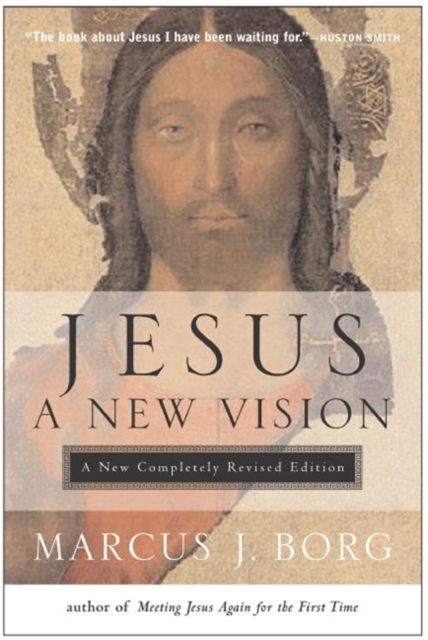
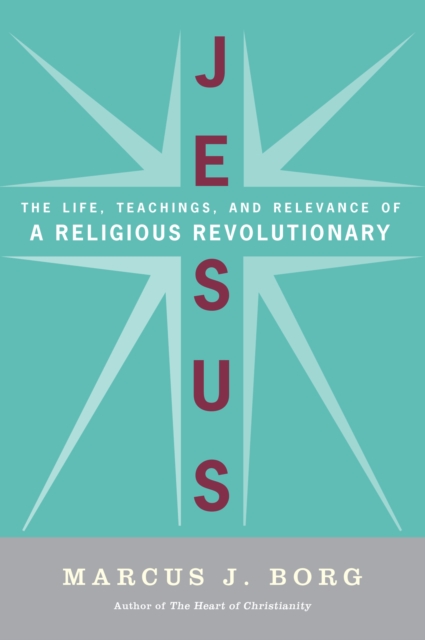
From top Jesus expert Marcus Borg, a completely updated and revised version of his vision of Jesusas charismatic healer, sage, and prophet, a man living in the power of the spirit and dedicated to radical social change.
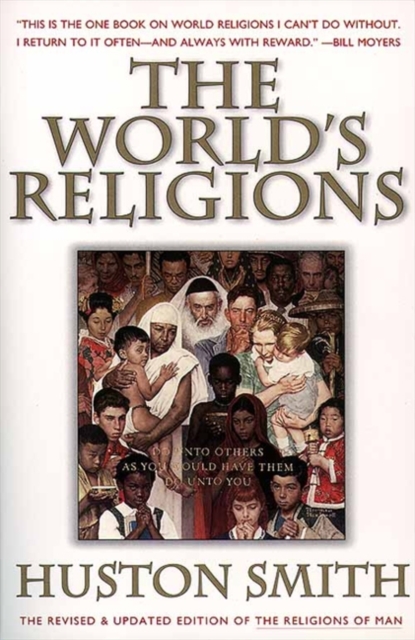
The Worlds Religions, by beloved author and pioneering professor Huston Smith (Tales of Wonder), is the definitive classic for introducing the essential elements and teachings of the worlds predominant faiths, including Hinduism, Buddhism, Confucianism, Taoism, Judaism, Christianity, Islam, as well as regional native traditions.
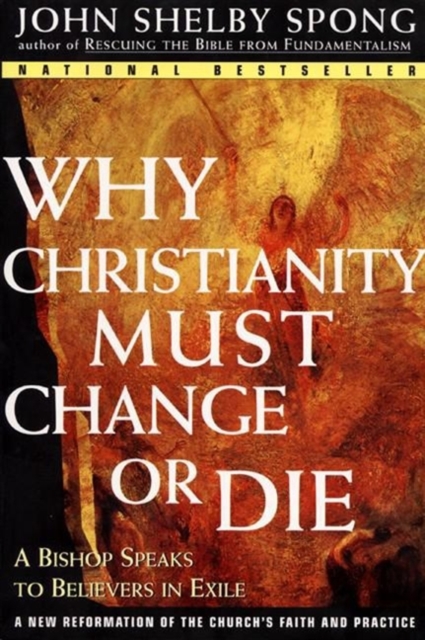
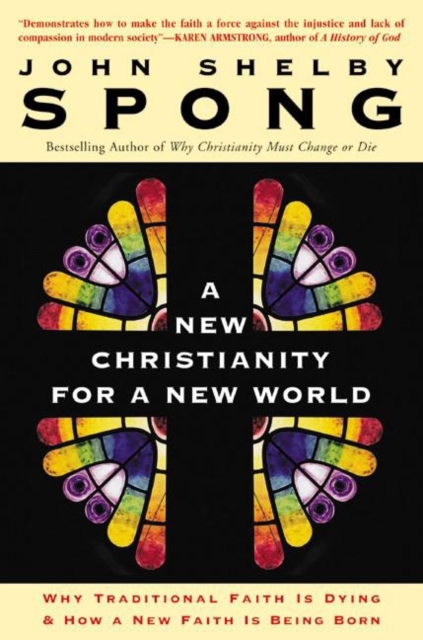
An important and respected voice for liberal American Christianity for the past twenty years, Bishop John Shelby Spong integrates his often controversial stands on the Bible, Jesus, theism, and morality into an intelligible creed that speaks to today's thinking Christian.
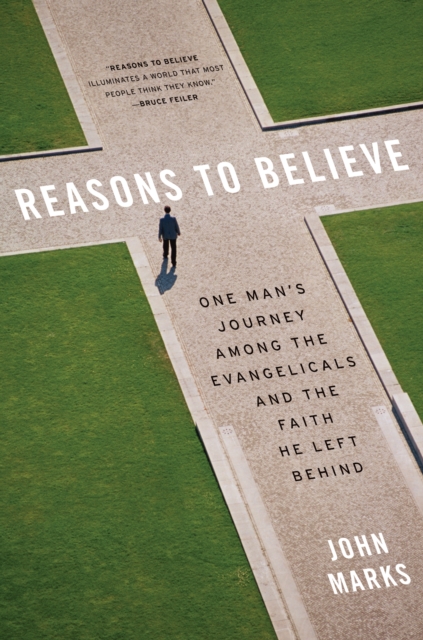
From a veteran journalist and former 60 Minutes producer comes an intimate portrait of evangelicals, one of the most influential forces in America today, and the story of how this lapsed believer came to terms with his faith.
From top Jesus expert Marcus Borg, a completely updated and revised version of his vision of Jesusas charismatic healer, sage, and prophet, a man living in the power of the spirit and dedicated to radical social change.
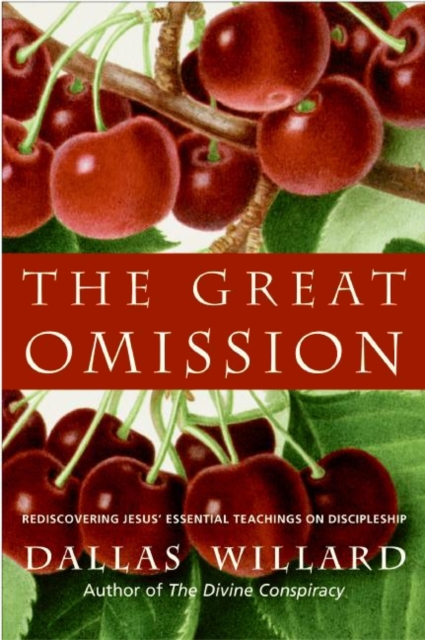
The last command Jesus gave the church before he ascended to heaven was the Great Commission, the call for Christians to "e;make disciples of all the nations.
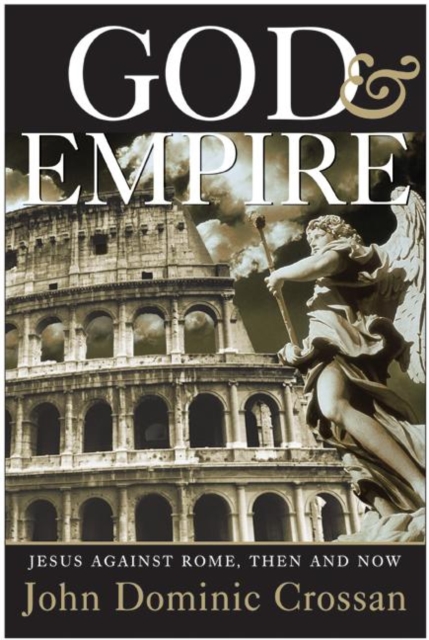
The bestselling author and prominent New Testament scholar draws parallels between 1st-century Roman Empire and 21st-century United States, showing how the radical messages of Jesus and Paul can lead us to peace today Using the tools of expert biblical scholarship and a keen eye for current events, bestselling author John Dominic Crossan deftly presents the tensions exhibited in the Bible between political power and God's justice.
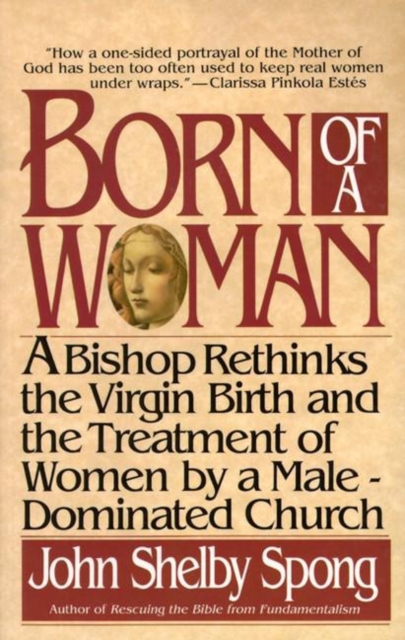
John Shelby Spong, bestselling author and Episcopal bishop of Newark, NJ, challenges the doctrine of the virgin birth, tracing its development in the early Christian church and revealing its legacy in our contemporary attitudes toward women and female sexuality.
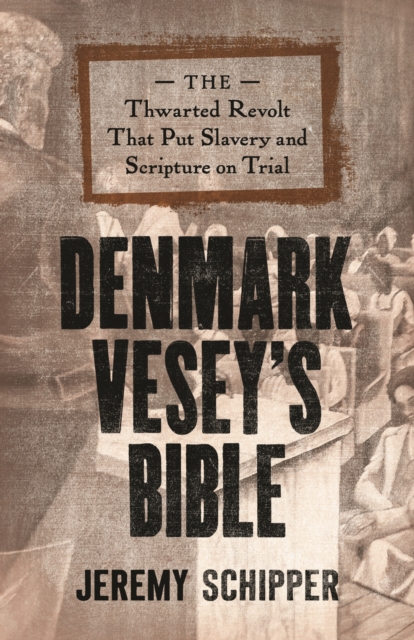
A timely and provocative account of the Bible's role in one of the most consequential episodes in the history of slaveryOn July 2, 1822, Denmark Vesey, a formerly enslaved man, was hanged in Charleston, South Carolina.
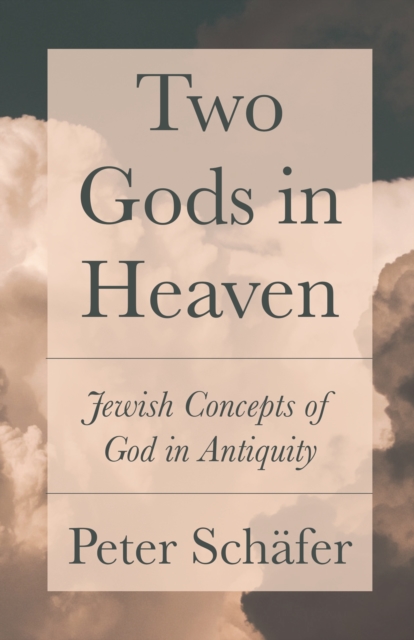
A book that challenges our most basic assumptions about Judeo-Christian monotheismContrary to popular belief, Judaism was not always strictly monotheistic.
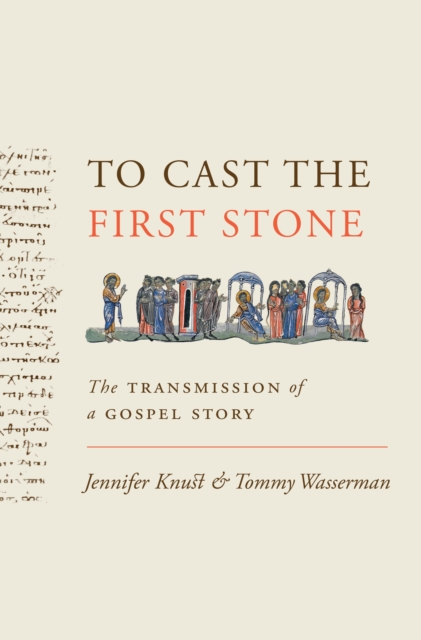
The story of the woman taken in adultery features a dramatic confrontation between Jesus and the Pharisees over whether the adulteress should be stoned as the law commands.
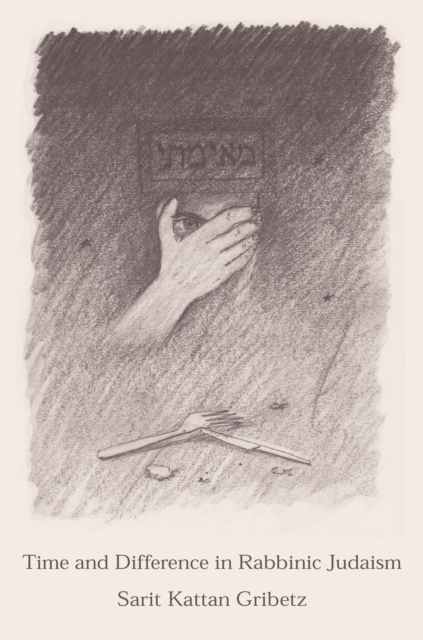
How the rabbis of the Talmud transformed everything into a legal question-and Jewish law into a way of thinking and talking about everythingThough typically translated as "e;Jewish law,"e; the term halakhah is not an easy match for what is usually thought of as law.
The Little Book of Advent is an indispensable collection of readings from some of the most celebrated modern-day spiritual writers, with passages specially selected for each day of Advent.
What can we believe about, and how can we believe in, Jesus in the twenty first century, in light of the Holocaust and other atrocities, and the drift from religion that followed?
Trinidad es el resultado de la investigación amplia de más de quinientos volúmenes de teología en la búsqueda de las proposiciones teológicas doctrinales desde una visión actualizada del siglo XXI, tomando en cuenta la inerrancia y autoridad de la Biblia como elemento base y central de la Trinidad.
'Absorbing, fascinating, arresting' The Observer 'Intensely moving, luminous and rather magnificent' The TimesIt was one of the most startling moments in the history of the City of London.
WINNER OF THE 2019 DUFF COOPER PRIZETHE SUNDAY TIMES BESTSELLER'With emotional and psychological insight, Barton unlocks this sleeping giant of our culture.
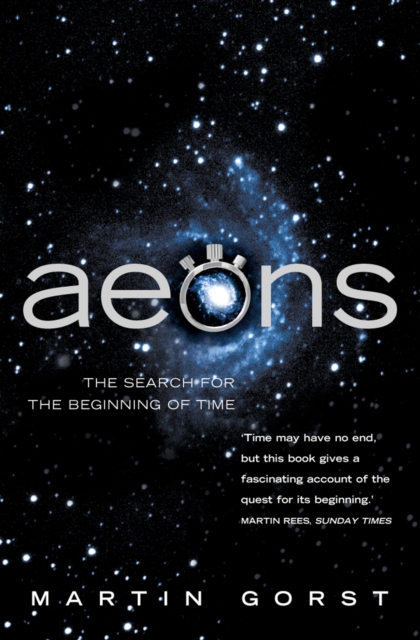
The full story of man's attempt to discover the moment that time began, from James Ussher's confident assertion in 1650 that the world was 5,654 years old to the Hubble Space telescope's images of a world 13 billion years old, with a starry cast of eccentrics, mystics, scientists and visonaries.
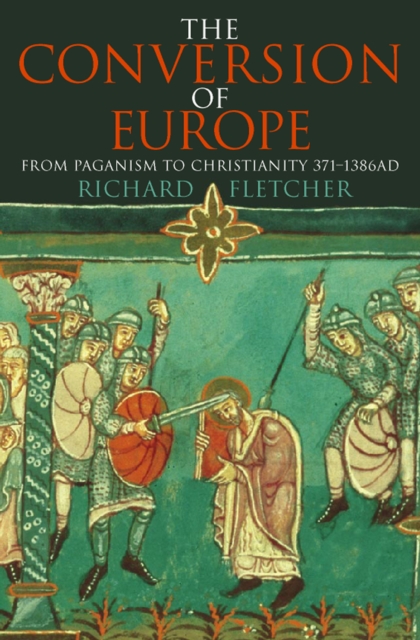
The story of how Europe was converted to Christianity from 300AD until the barbarian Lithuanians finally capitulated at the astonishingly late date of 1386.
Following the extraordinary success of the New York Times bestseller Bonhoeffer, Eric Metaxas's latest book offers inspirational and intellectually rigorous thoughts on the big questions surrounding us all today.
A stimulating inquiry into one of the great religious mysteries - and what theologians, artists, writers, psychologists, priests, historians and people from all religions and walks of life have thought of heaven, where many of us still hope to go one day.
SPECIAL PRICE FOR A LIMITED TIMEBring love, happiness and fulfilment into your own life and those around you, with this gift book of inspirational guidance, quotes and stories of angels and spirits from the other side.