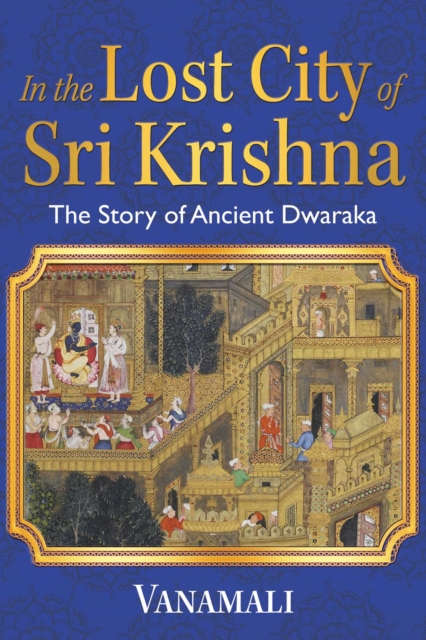
A vivid journey back to the time of Krishna, his holy city, and the Mahabharata War Recounts ecstatic celebrations, Krishnas love for his wives and sons, and events surrounding the Mahabharata War Offers potent spiritual lessons from Krishnas teachings and stresses Krishnas ability to contain all opposites and stand above duality Provides a historical timeline and real dates for the Mahabharata War and the sinking of Krishnas city beneath the sea Located on the west coast of India in the state of Gujarat, the city of Dwaraka is considered one of the seven holy cities of India.
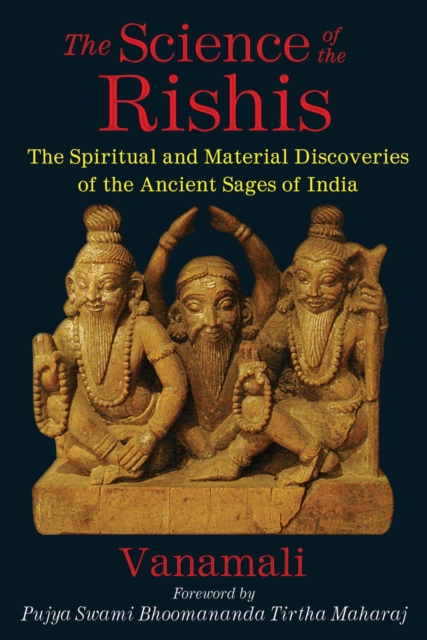
A complete introduction to Sanatana Dharma, the spiritual science of the Hindu sages Examines how many core concepts of Hinduism, including Brahman, Atman, bhakti, karma, and reincarnation, relate to modern science Explores the scientific discoveries of the rishis, ancient Vedic sages, and how they have only recently been rediscovered by Western scientists Reveals the concepts of quantum physics hidden within the Vedas, the Bhagavad Gita, the Upanishads, and the Puranas Called the scientists of Hinduism, the rishis of ancient India were the scribes of the Vedas.
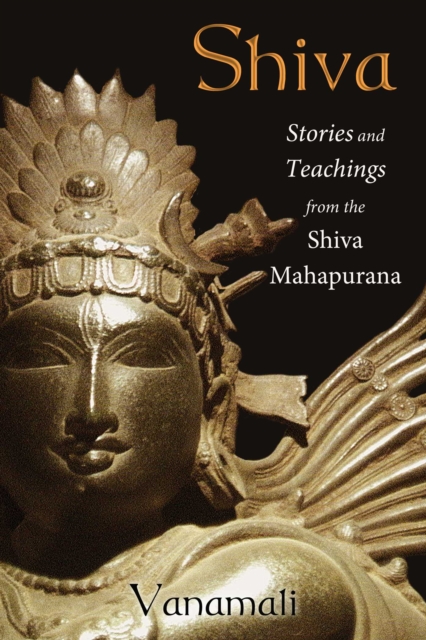
The traditional understanding of Shiva told through stories and teachings from the Shiva Mahapurana Explains Shivas contradictory forms, such as destroyer or benefactor, and how his form depends on the needs of the devotee Reveals how Shivas teachings allow one to see through the illusions at the root of all grief and alienation in human life Explores Shivas relationships with Durga, Shakti, Sati, and Parvati and with his sons Ganesha and Kartikeya Shiva, the most ancient and complex deity of the Hindu pantheon, has been portrayed in many contrasting lights: destroyer and benefactor, ascetic and householder, wild demon slayer and calm yogi atop Mount Kailash.
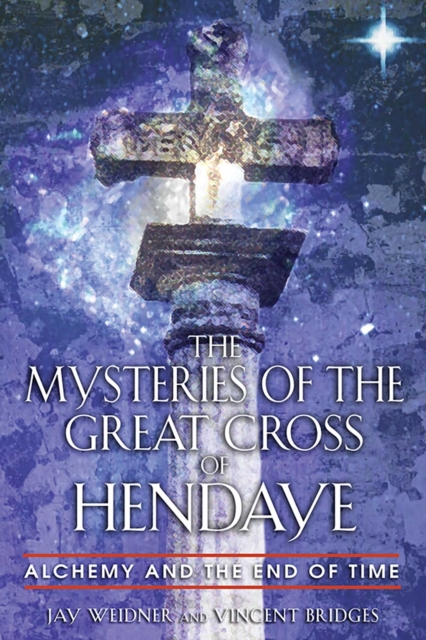
Decodes the message inscribed on the Great Cross of Hendaye in France Uses the work of 20th-century alchemist Fulcanelli to predict the date of the fatal season of the apocalypse Shows how periodic galactic alignments may cause catastrophes on Earth Examines how the secret of the center of the galaxy reveals the true location of the lost civilization of Atlantis Reveals the alchemical secret of the imperishable Light Body of ancient Egypt deep within our DNAThe Mysteries of the Great Cross of Hendaye reveals one of Western occultism's deepest secrets: The alchemical transformation of base metal into gold is also the transformation of the current Iron Age into the Golden Age.
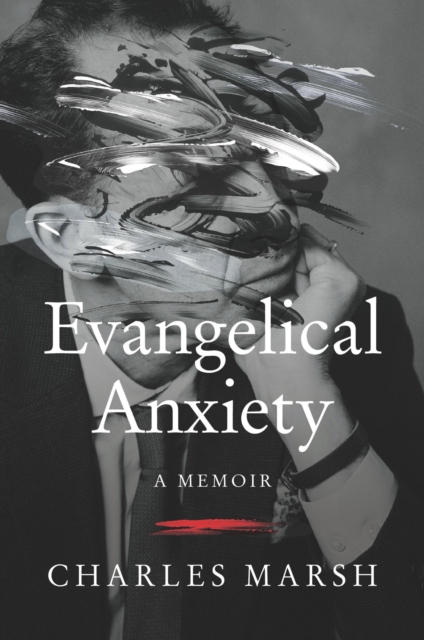
In this riveting spiritual memoir, the writer, scholar, and commentator tells the story of his struggles with mental illness, explores the void between the Christian faith and scientific treatment, and forges a path toward reconciling these divergent worlds.
This highly praised handbook on ministry is an essential resource for clergy and laity alike--clear, readable, theologically sound, and pastorally wise.
Identifies the major ideas that college and university students will encounter in a basic psychology course and explores connections with Christian belief.
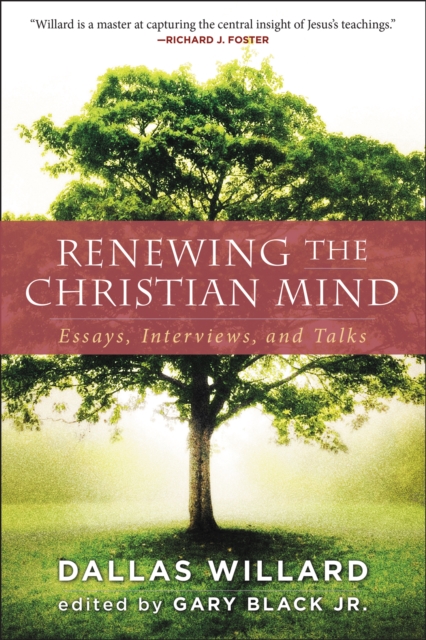
From Dallas Willard, one of the most important Christian intellectuals of the twentieth century, comes a collection of readings, interviews, talks, and articlesmany previously unpublished.
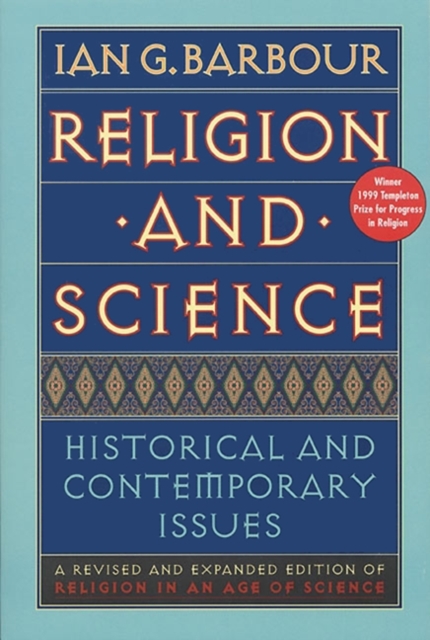
Religion and Science is a definitive contemporary discussion of the many issues surrounding our understanding of God and religious truth and experience in our understanding of God and religious truth and experience in our scientific age.
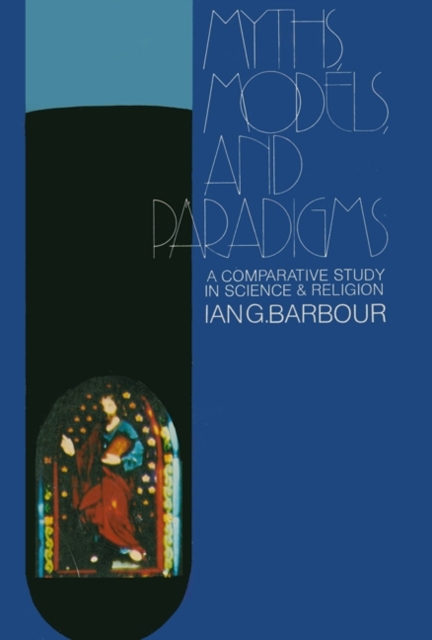
Scientist and philosophers have more in common than might first appear, especially when the language used in the two disciplines receives a closer scrutiny, Ian G.
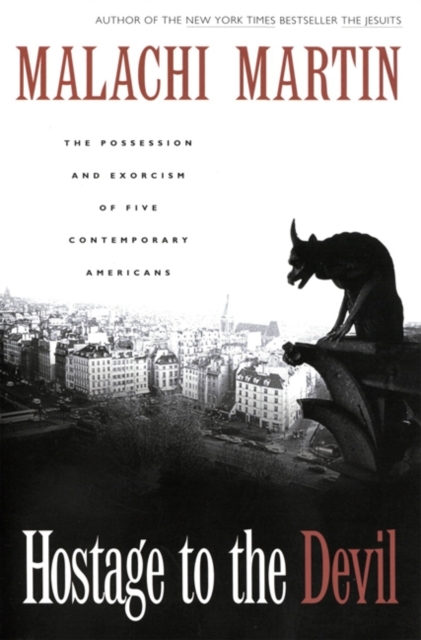
One On One With SatanA chilling and highly convincing account of possession and exorcism in modern America, hailed by NBC Radio as "e;one of the most stirring books on the contemporary scene.
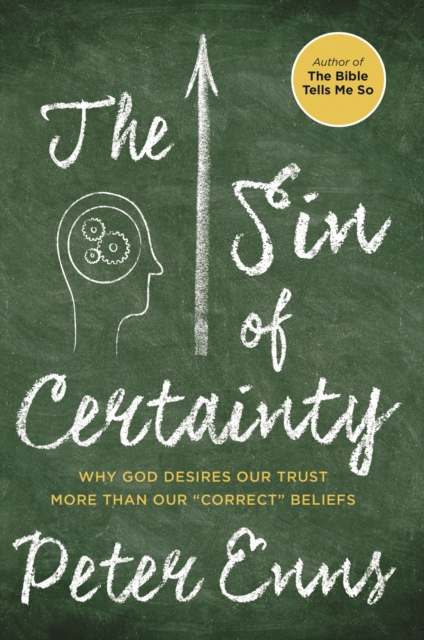
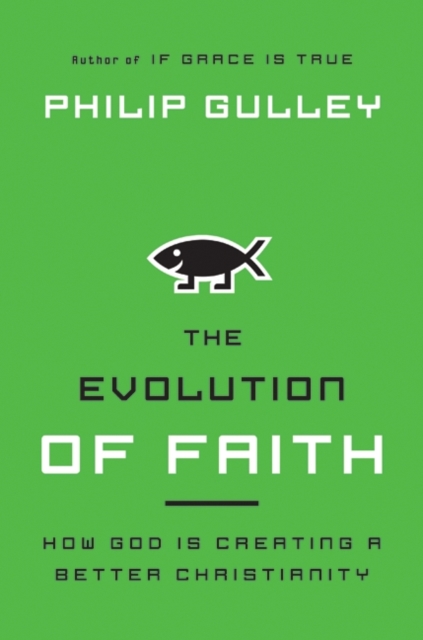
The controversial evangelical Bible scholar and author of The Bible Tells Me So explains how Christians mistake certainty and correct belief for faith when what God really desires is trust and intimacy.
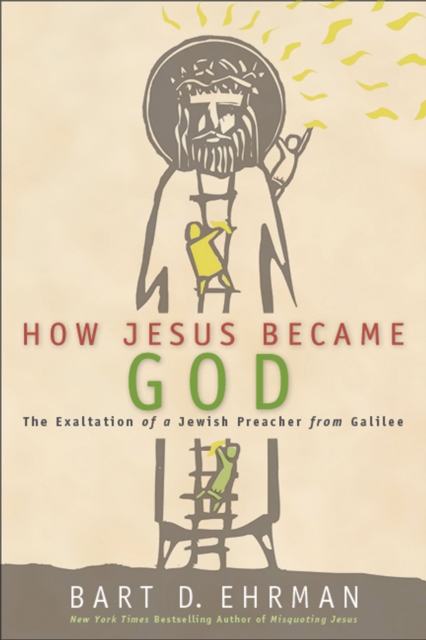
New York Times bestselling author and Bible expert Bart Ehrman reveals how Jesuss divinity became dogma in the first few centuries of the early church.
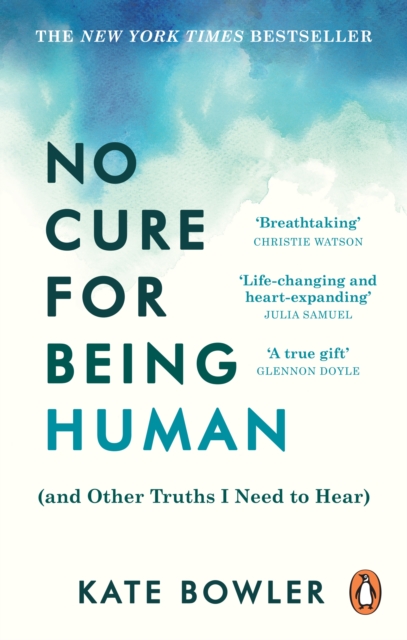
***A SUNDAY TIMES AND INDEPENDENT BOOK OF THE YEAR AND INSTANT NEW YORK TIMES BESTSELLER***The bestselling author of Everything Happens for a Reason (And Other Lies I've Loved) asks, how do you move forward with a life you didn't choose?
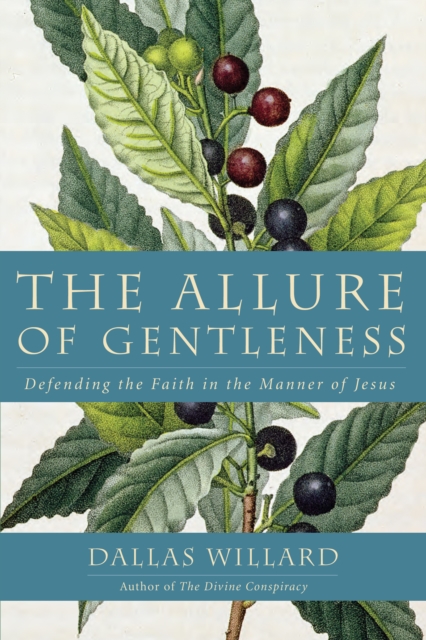
The revered Christian author whose bestselling classics include The Divine Conspiracy and The Spirit of the Disciplines provides a new model for how we can present the Christian faith to others.
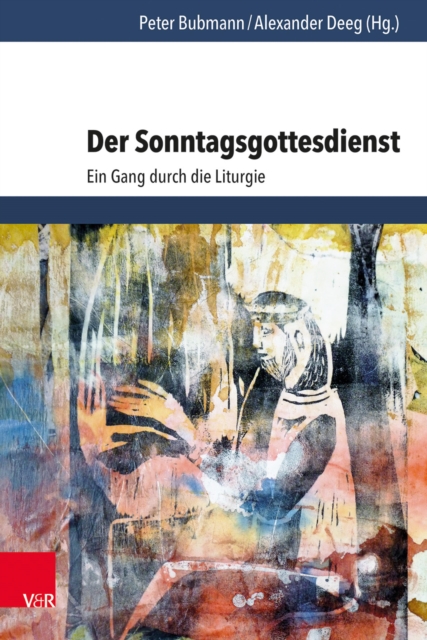
Entlang der Struktur 'des' Evangelischen Gottesdienstes gehen die Beiträge dieses Bandes einzelnen 'Sequenzen' und 'Aspekten' des Gottesdienstes auf ebenso pointierte wie informierte wie unterhaltsame Art nach.
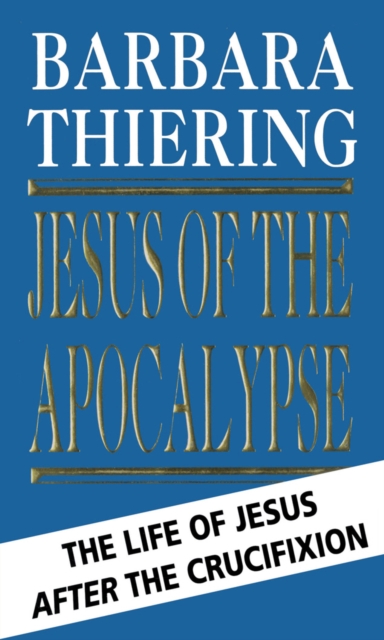
In her controversial 1992 bestseller Jesus the Man, Barbara Thiering first showed how the pesher method of 'decoding' two separate levels of meaning found in the Dead Sea Scrolls could be used by applying it to the Gospels, and presented a completely new historical interpretation of the life of Jesus Christ.
Drawing on a lifetime of wisdom, New York Times bestselling author and controversial religious leader John Shelby Spong continues to challenge traditional Christian theology in Eternal Life: A New Vision.
For the first time, Thomas Oden's Systematic Theology classic series (individually titled The Living God, The Word of Life, and Life in the Spirit) is available in one complete volume.
Now in paperback: a distinguished psychiatrist, spiritual counsellor and bestselling author shows how the dark sides of the spiritual life are a vital ingredient in deep, authentic, healthy spirituality.
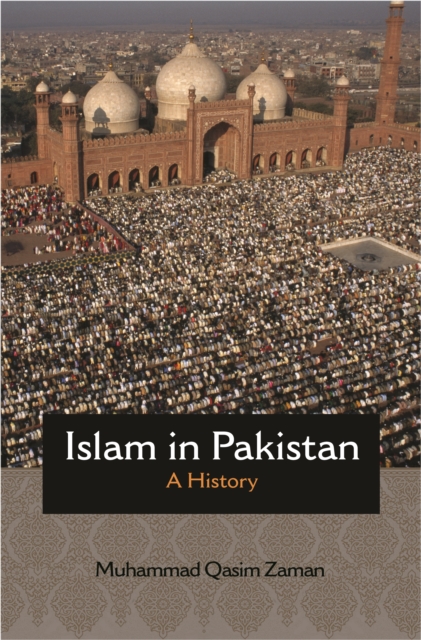
The first book to explore the modern history of Islam in South AsiaThe first modern state to be founded in the name of Islam, Pakistan was the largest Muslim country in the world at the time of its establishment in 1947.
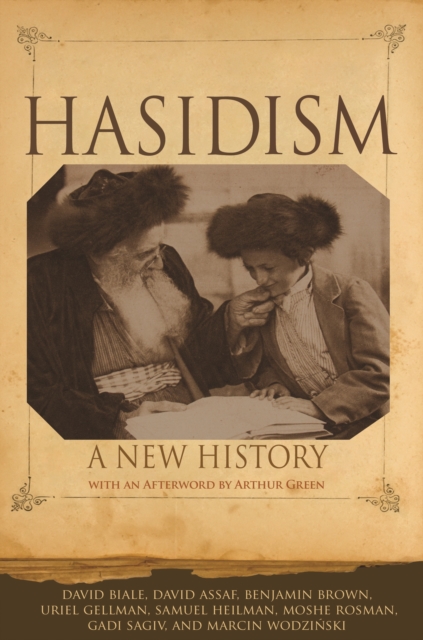
The first comprehensive history of the pietistic movement that shaped modern JudaismThis is the first comprehensive history of the pietistic movement that shaped modern Judaism.
A groundbreaking account of how the Book of Exodus shaped fundamental aspects of Judaism, Christianity, and IslamThe Book of Exodus may be the most consequential story ever told.
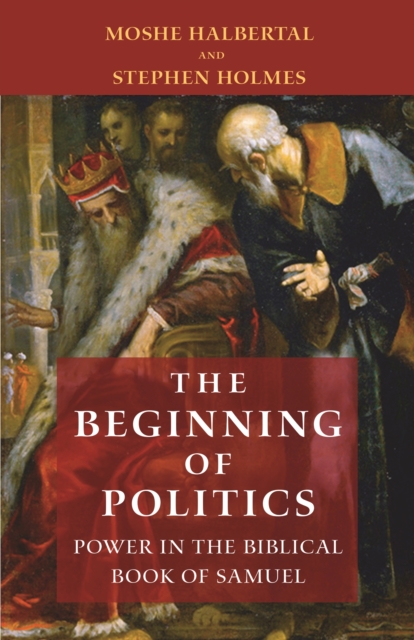
New insights into how the Book of Samuel offers a timeless meditation on the dilemmas of statecraftThe Book of Samuel is universally acknowledged as one of the supreme achievements of biblical literature.
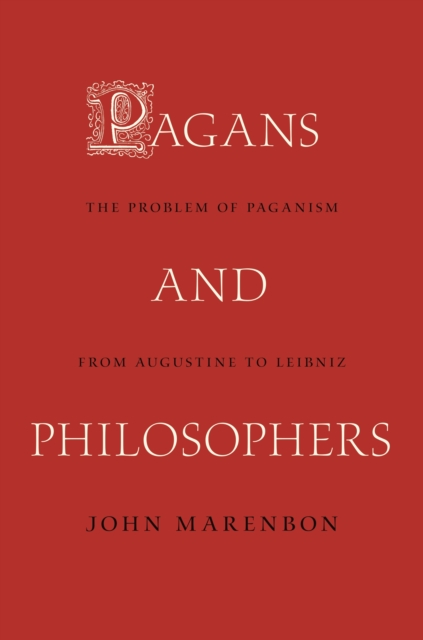
An ambitious history of how medieval writers came to terms with paganismFrom the turn of the fifth century to the beginning of the eighteenth, Christian writers were fascinated and troubled by the "e;Problem of Paganism,"e; which this book identifies and examines for the first time.
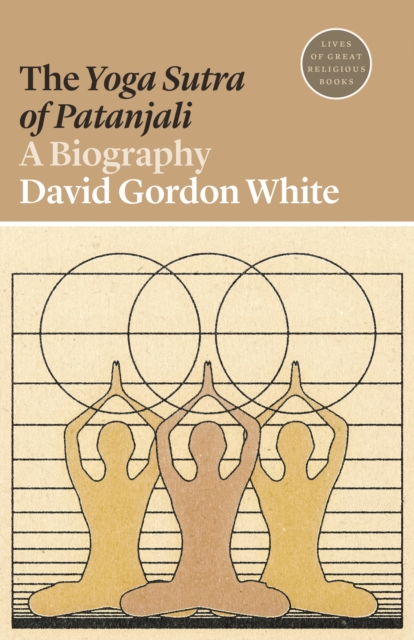
The rise, fall, and modern resurgence of an enigmatic book revered by yoga enthusiasts around the worldConsisting of fewer than two hundred verses written in an obscure if not impenetrable language and style, Patanjali's Yoga Sutra is today extolled by the yoga establishment as a perennial classic and guide to yoga practice.
Why supernatural beliefs are at odds with a true understanding of the afterlifeIn this extraordinary book, Mark Johnston sets out a new understanding of personal identity and the self, thereby providing a purely naturalistic account of surviving death.
From Pulitzer Prize-winner Garry Wills, the story of Augustine's ConfessionsIn this brief and incisive book, Pulitzer Prize-winning historian Garry Wills tells the story of the Confessions--what motivated Augustine to dictate it, how it asks to be read, and the many ways it has been misread in the one-and-a-half millennia since it was composed.
From National Book Awardwinning author Martin Marty, the surprising story of a Christian classic born in a Nazi prison cellFor fascination, influence, inspiration, and controversy, Dietrich Bonhoeffer's Letters and Papers from Prison is unmatched by any other book of Christian reflection written in the twentieth century.
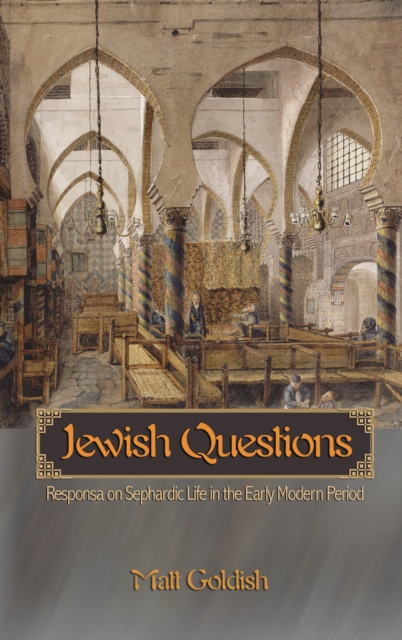
In Jewish Questions, Matt Goldish introduces English readers to the history and culture of the Sephardic dispersion through an exploration of forty-three responsa--questions about Jewish law that Jews asked leading rabbis, and the rabbis' responses.