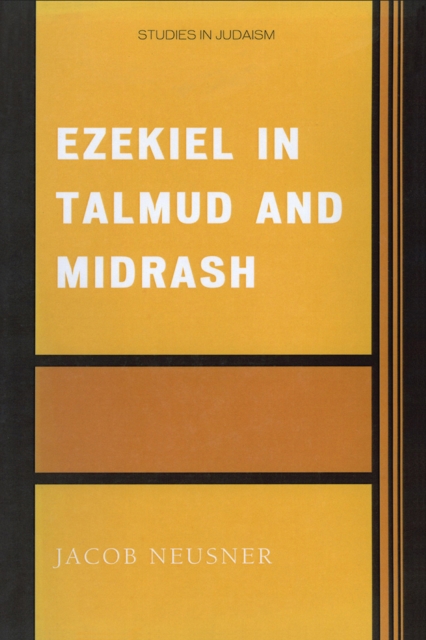
The Rabbis of classical Judaism, in the first six centuries of the Common Era, commented on the teachings of ancient Israel's prophets and shaped, as much as they were shaped by, prophecy.
The Rabbis of classical Judaism, in the first six centuries of the Common Era, commented on the teachings of ancient Israel's prophets and shaped, as much as they were shaped by, prophecy.
Reinhold Niebuhr argued that one of the fundamental challenges to human existence is the anxiety caused by our desire to be perfect and godlike while knowing we are limited and mortal.
Maps and Meaning is rooted in the authors’ experience as clergy and chaplains and is relevant to those looking for a fresh perspective on biblical narratives related to the role of the priest, patients, soldiers, and others who spend time “outside the camp.
In Portraits of a Mature God, Mark McEntire traced the narrative development of the divine character in the Old Testament, placing the God portrayed at the end of that long story at the center of theological discussion.
Francis Schüssler Fiorenza is one of the pivotal contemporary Roman Catholics working in the field of systematic theology and has made vital contributions to the discipline.
Were eunuchs more usually castrated guardians of the harem, as florid Orientalist portraits imagine them, or were they trusted court officials who may never have been castrated?
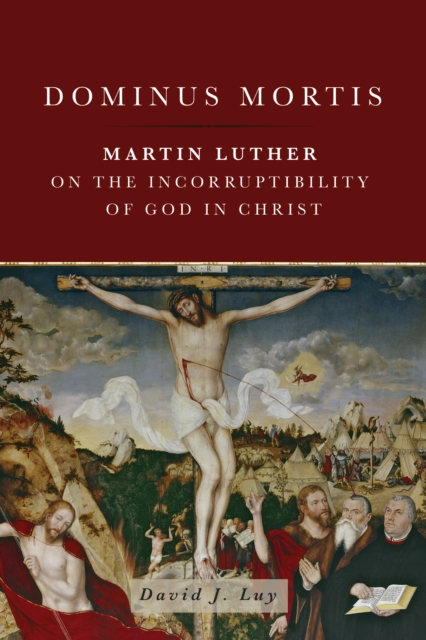
Modern interpreters typically attach revolutionary significance to Luthers Christology on account of its unprecedented endorsement of Gods ontological vulnerability.
Scholars of early Christianity are awakening to the potential of Pompeiis treasures for casting light on the settings and situations that were commonplace and conventional for the first urban Christians.
The mystery of Almighty God is most properly an explication of the oneness of God, tying the faith of the church to the bedrock of Israel’s confession of the lord of the covenant, the lord of our Lord Jesus Christ.
A fundamental problem in Christian theology has been that of determining whether God can be an object of experience and how we should account for God’s empirical availability to us.
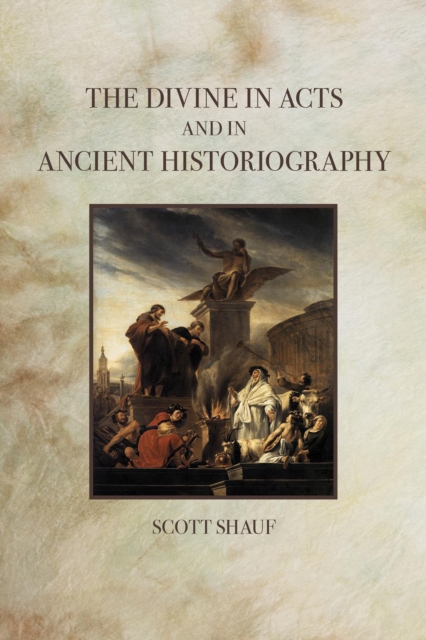
Scott Shauf compares the portrayal of the divine in Acts with portrayals of the divine in other ancient historiographical writings, the latter including Jewish and wider Greco-Roman historiographical traditions.
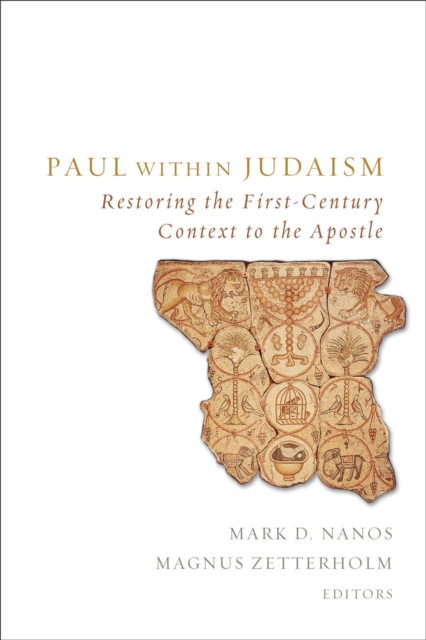
In these chapters, a group of renowned international scholars seek to describe Paul and his work from “within Judaism,” rather than on the assumption, still current after thirty years of the “New Perspective,” that in practice Paul left behind aspects of Jewish living after his discovery of Jesus as Christ (Messiah).
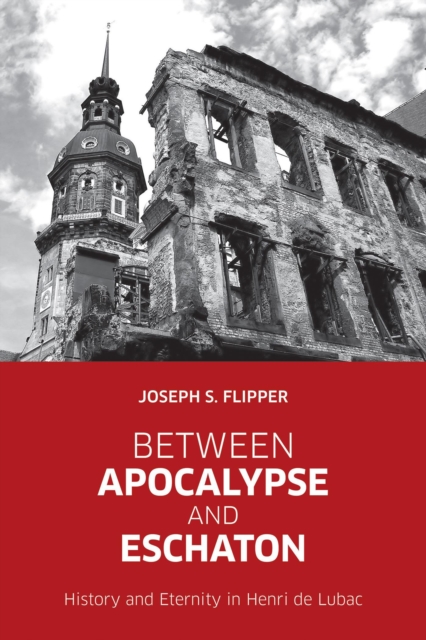
Between Apocalypse and Eschaton examines the systematic theology of Henri de Lubac, SJ, one of the most significant Catholic theologians of the twentieth century.
Christians around the world recite the “Lord’s Prayer” daily, but what exactly are they praying for—and what relationship does it have with Jesus’ own context?
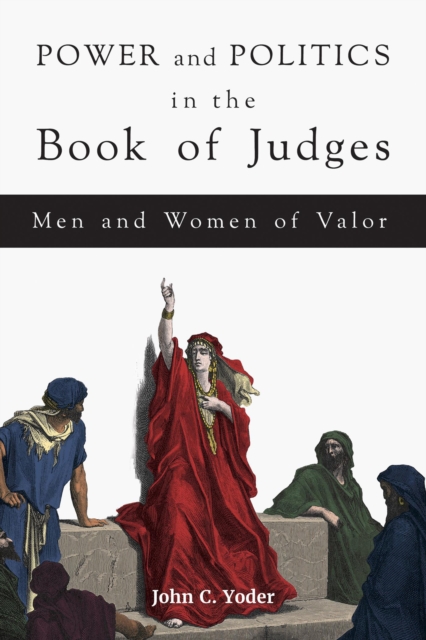
Power and Politics in the Book of Judges studies political culture and behavior in premonarchic Israel, focusing on the protagonists in the book of Judges.
Hezekiah is a critical figure in the Hebrew Bible, which credits him with major political, social, and religious reforms in Judah’s history and the weathering of a major crisis in the invasion of the Assyrians under their emperor, Sennacherib.
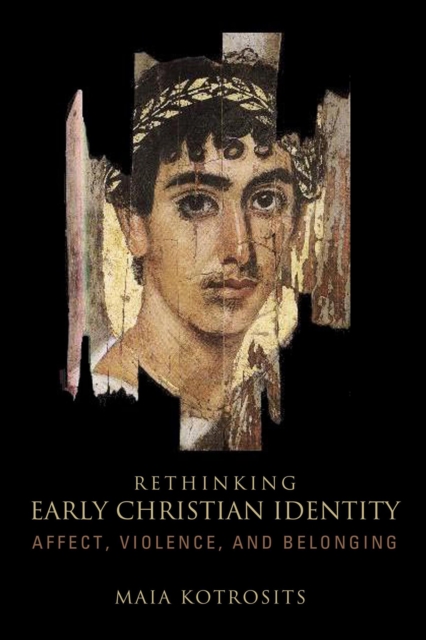
Maia Kotrosits challenges the contemporary notion of “early Christian literature,” showing that a number of texts usually so described—New Testament writings including Hebrews, Acts, the Gospel of John, Colossians, and 1 Peter, as well as the letters of Ignatius, the Gospel of Truth, and the Secret Revelation of John—are “not particularly interested” in a distinctive Christian identity or self-definition.
Biblical scholars have often contrasted the exegesis of the early church fathers from the eastern region and school of Syrian Antioch against that of the school of Alexandria.
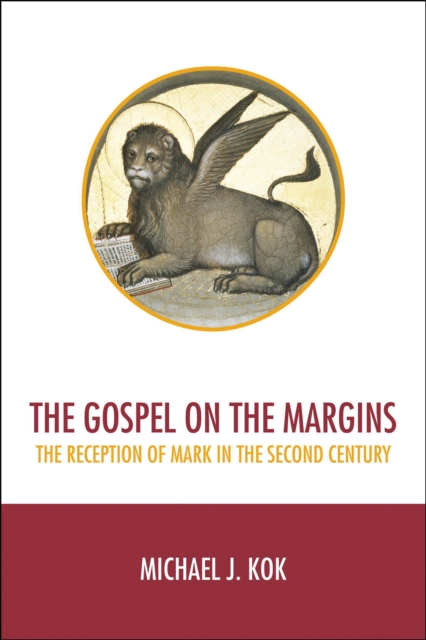
Scholars of the Gospel of Mark usually discuss the merits of patristic references to the Gospel’s origin and Mark’s identity as the “interpreter” of Peter.
We are constantly engaged in processing data and sensory inputs all around us, even when we are not conscious of the many neural pathways our minds are traveling.
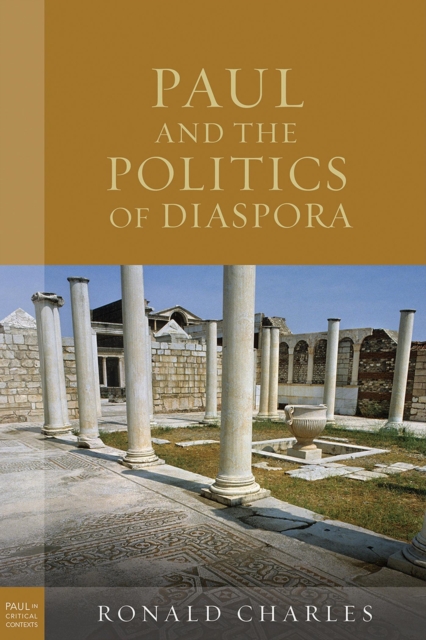
It is a commonplace today that Paul was a Jew of the Hellenistic Diaspora, but how does that observation help us to understand his thinking, his self-identification, and his practice?
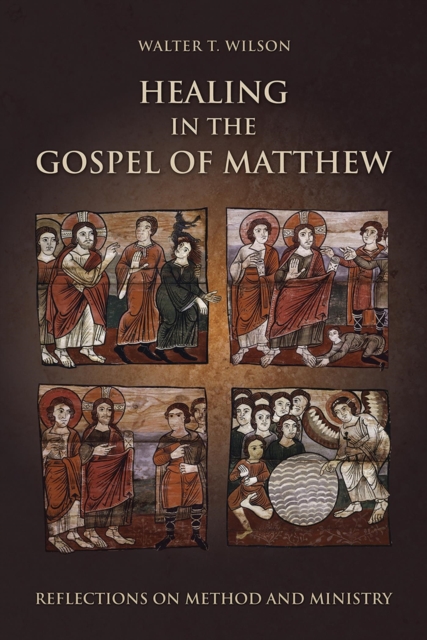
Although healing constitutes both a major theme of biblical literature and a significant practice of biblical communities, healing themes and experiences are not always conspicuous in presentations of biblical theology.
Fortress Presss Foundations for Learning series prepares students for academic success through compelling resources that kick-start their educational journey into professional Christian ministry.
Pastoral leadership has always been challenging, but clergy and parish leaders today face unprecedented challenges, many of which simply didn’t exist a generation ago.
Natural theology is a philosophical site that is hotly debated and controversialit is claimed by Roman Catholics, Protestants, and Evangelicals as a crucial vantage point for the intersection of theology, philosophy, science, and politics, while it is, simultaneously, strongly contested by some theologians, such as those influenced by Karl Barth, as well as some philosophers and scientists, especially of the new atheist variety.
Examines the role of the body in Indigenous-language religious texts from colonial Latin AmericaWords Made Flesh examines the role played by corporeality in a series of missionary linguistic and poetic projects from Brazil, Peru, and Mexico in early colonial Latin America.