Created to counteract the spiritual imbalance that MI can cause, the Moral Injury Reconciliation (MIR) methodology is a 9-week, 3-phased spiritual care treatment, for Veteran and family transformation.
This thoughtful book brings together some of the best psychological and spiritual thinkers to ponder evidence-based reflections about the development and nurturance of compassion.
John Dominic Crossan and Ben Witherington III, along with a group of diverse scholars, explore points of agreement and disagreement on the message of Jesus.
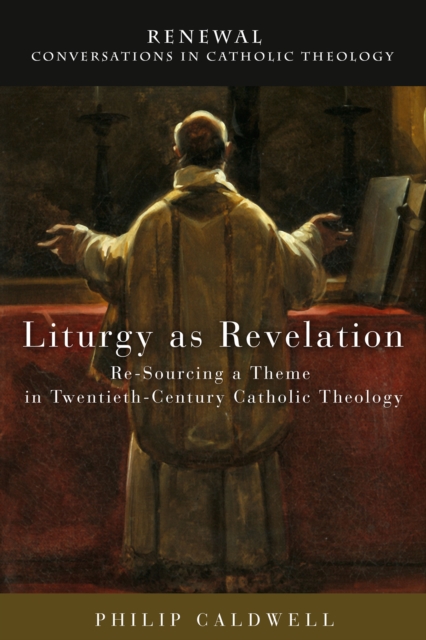
A critical issue in modern Catholic theology has been the relationship between the doctrine of revelation and the church’s liturgical and sacramental practice.
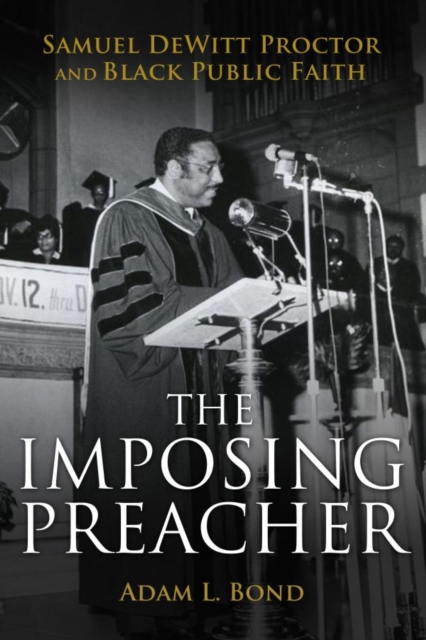
As a distinguished Baptist pastor, educator, and public servant, Samuel DeWitt Proctor made it his mission to serve American life by fighting against racism.
Our experiences of hope in the face of difficult times are as varied as our lives, and yet very little of the literature on hope has effectively examined the multi-faceted ways in which we hope.
A selection of the most important sources for the cultural and political context of the early Roman Empire and the New Testament writings, Roman Imperial Texts includes freshly translated public speeches, official inscriptions, annals, essays, poems, and documents of veiled protest from the Empire’s subject peoples —all introduced by Mark Reasoner.
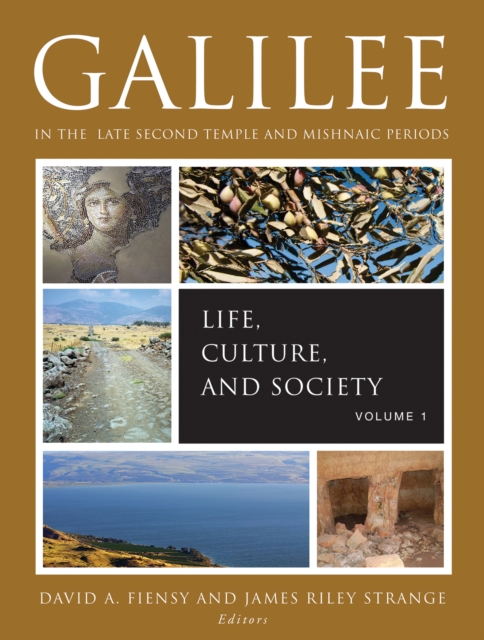
Drawing on the expertise of archaeologists, historians, biblical scholars, and social-science interpreters who have devoted a significant amount of time and energy in the research of ancient Galilee, this accessible volume includes modern general studies of Galilee and of Galilean history, as well as specialized studies on taxation, ethnicity, religious practices, road systems, trade and markets, education, health, village life, houses, and the urban-rural divide.
Roland Boer and Christina Petterson here produce a critical survey showing that the rise of capitalist theory was shaped by the way different economic philosophers—Smith, Hobbes, Grotius, Malthus, Locke––read the Bible.
The Fortress Commentary on the Bible: The New Testament presents a balanced synthesis of current scholarship, enabling readers to interpret Scripture for a complex and pluralistic world.
Increasingly, scholars recognize that prophetic traditions, expressions, and experiences stand at the heart of most religions in the ancient Mediterranean world.
The ground of higher education is shifting, but learning ecosystems around the world have much more space than MOOCs and trendy online platforms can fill, and Loewen shows how professors have an indisputable pedagogical edge that gives them a crucial role to play in higher education.
In an era that oscillates regularly between nihilism and the erosion of moral vision, on the one hand, and pseudo-gnostic myths of self-apotheosis on the other, the classical Christian claim of human participation in the divine as the story of the transformation of human life in its physical, moral, spiritual, and eschatological dimensions takes on radical, counter-cultural color.
This book stages an intervention in Reformed readings of the doctrine of providence, particularly around Barths critical interpretation of the tradition stemming from Calvin and Schleiermacher, and provides a critical and constructive assessment of Barths contribution.
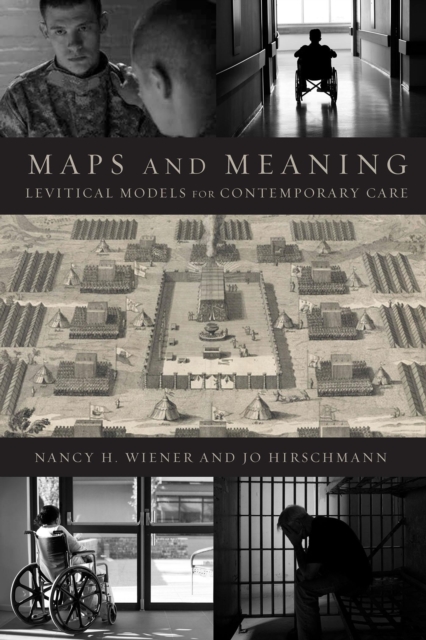
Maps and Meaning is rooted in the authors’ experience as clergy and chaplains and is relevant to those looking for a fresh perspective on biblical narratives related to the role of the priest, patients, soldiers, and others who spend time “outside the camp.
Scholarship has painted many pictures of Augustinethe philosophical theologian, the refuter of heresy, or contributor to doctrines like Original Sinbut the picture of Augustine as preacher, says Sanlon, has been seriously neglected.
This book argues that Christian nonviolence is both formed by and forms ecclesial life, creating an inextricable relationship between church commitment and resistance to war.
Alongside Saint Thomas Aquinas, the thought of Saint Augustine stands as one of the central fountainheads of not only theology but Western social and political theory.
Applying a comprehensive theory of character to the Gospel of John, Cornelis Bennema provides a fresh analysis of both the characters and their responses to Jesus.
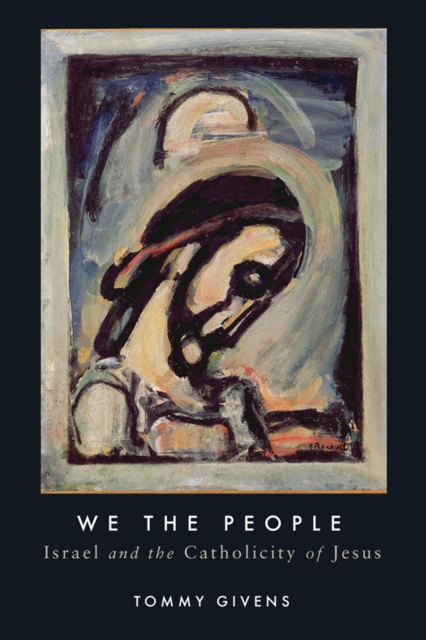
We the People explores John Howard Yoders account of peoplehood and develops an appreciative revision that considers the politics of Jesus in relation to the people of Israel.
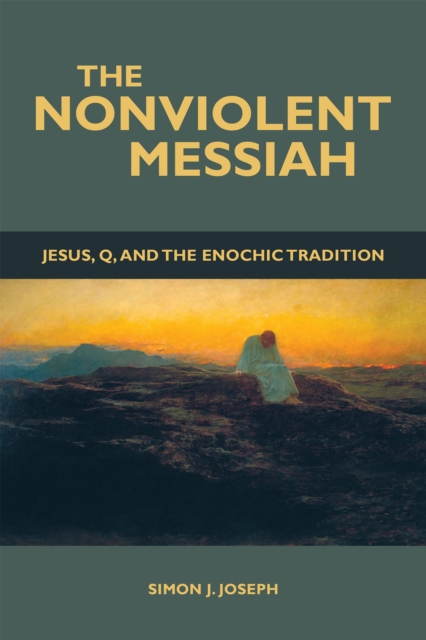
When scholars have set Jesus against various conceptions of the messiah and other redemptive figures in early Jewish expectation, those questions have been bound up with the problem of violence, whether the political violence of a militant messiah or the divine violence carried out by a heavenly or angelic figure.
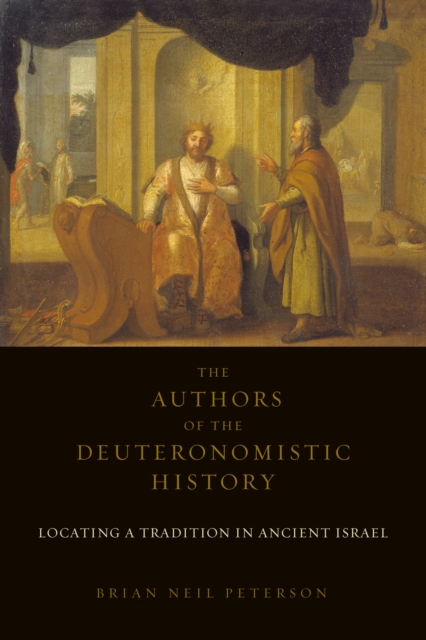
Peterson engages one of the most enduring controversies in current critical scholarship on the Hebrew Bible, the identities and provenances of the authors of the various "e;editions"e; of the Deuteronomistic History.
If Basil of Caesarea receives mention in a standard course of lectures on Christian theology or history it is as the first person to write a dedicated discourse on the Holy Spirit.
John Henry Newman is one of the most beloved and well-known British theologians, an instrumental figure in the Oxford Anglican movement of the nineteenth century and an infamous convert to Roman Catholicism.
The Vision of Catholic Social Thought traces the emergence of solidarity and human rights as critical theological and philosophical pillars of the anthropology and ethics foundational to the development of Catholic social teaching.
The Resurrected God is an exciting, innovative examination of the resurrection of Christ and its relationship to the doctrine of the Trinity in the mature work of Karl Barth, particularly across the three parts of Volume IV of ChurchDogmatics.
Over the last several decades, perceptive observers of Western civilization have documented what virtually everyone has perceived: as the old foundations of society have toppled, morality and personal character have been set adrift and often vanished altogether.