Naturally Human, Supernaturally God focuses upon a theological subject matter whose provenance not only spans both periods of the twentieth century, but the whole history of Christianity.
Although several scholars have written about how Luke portrays Jesus and the apostles as prophets, no one has yet provided a comprehensive theory as to why Luke’s protagonists resemble the prophets.
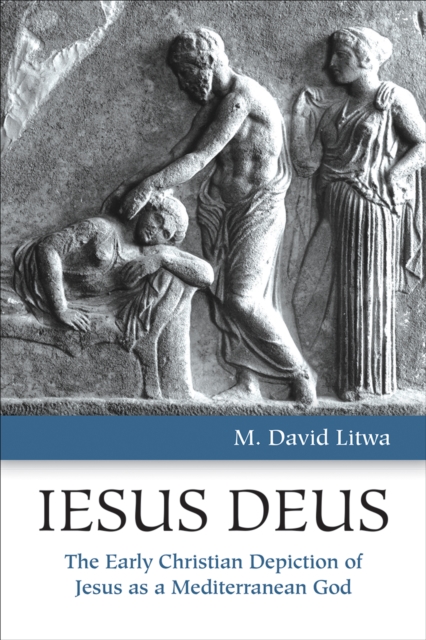
The "e;dilemma of early Christology,"e; Kaiser observes, is found in the early Christian claims to have "e;seen the Lord"e; and "e;beheld his glory"e; - expressions that in early Judaism would have pointed unequivocally to visions of Israel's God.
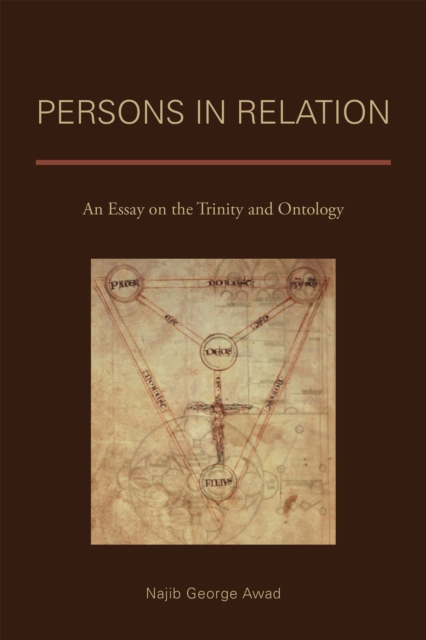
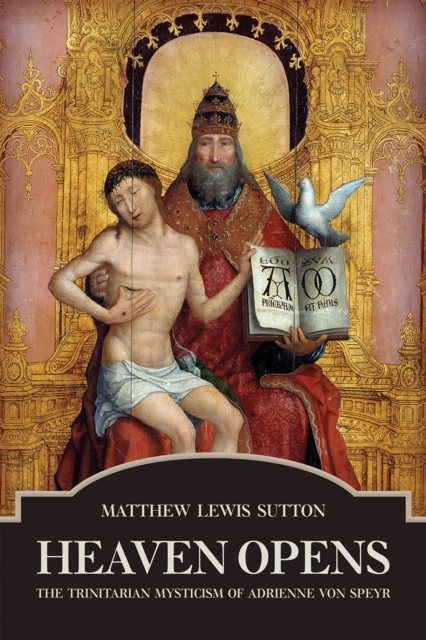
The recent 'turn to the Trinity' in modern and contemporary systematic theology has been inundated with models and proposals for construing the concepts of personhood, persons, and relations in connection to a proper understanding of the Trinity.
The New York Times has described James Martin as maybe "e;the only Jesuit priest with a degree from the Wharton School,"e; and in the wake of our current economic crisis, the story of his remarkable journey from corporate America to the Society of Jesus couldn't be more timely.
It is widely recognized that in some of his letters, Paul develops a Christology based on a comparison between Adam and Christ, and that this Christology has antecedents in Jewish interpretation of Genesis 14.
One of the important ecclesial developments over the last century has been the extraordinary rediscovery, retrieval and reinvigoration of the Christian contemplative tradition, a recovery that has been extraordinarily influential Theologians have begun to explore how aspects of the Christian contemplative tradition challenge certain prevalent views about the nature of God, the world, and persons, but this contemplative renaissance also raises crucial questions about a variety of more philosophical arenas such as how we construe the relationship between faith and reason, religious epistemology, theological metaphysics, philosophical hermeneutics and so forth.
Francis Schüssler Fiorenza is one of the pivotal contemporary Roman Catholics working in the field of systematic theology and has made vital contributions to the discipline.
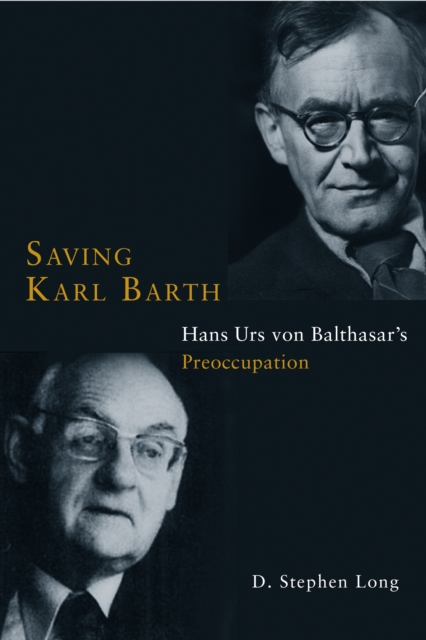
Challenging recent rejections of Hans Urs von Balthasar’s groundbreaking study of Karl Barth’s theology, Stephen Long argues that these interpreters are myopically impatient with the nuances of Balthasar’s reading of Barth and fail to appreciate the longstanding theological friendship that perdured.
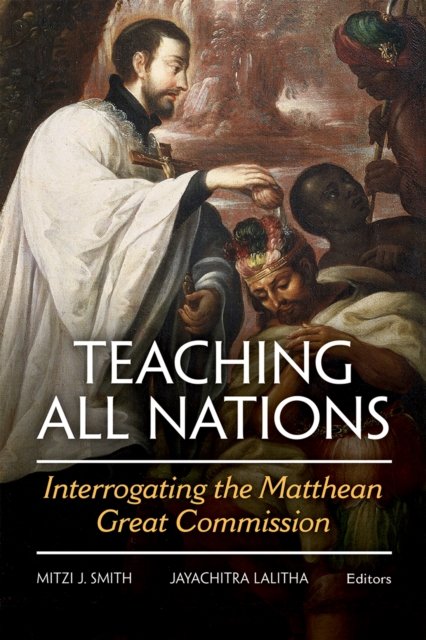
That Christian missionary efforts have long gone hand-in-hand with European colonization and American imperialist expansion in the nineteenth and twentieth centuries is well recognized.
Since the discovery of the Dead Sea Scrolls, scholars have traced out the rich and complex traditions of biblical interpretation in Second Temple Judaism.
Moving beyond discussions of patriarchy and prescribed "e;womens roles"e; in the Roman worlddiscussions that have relied too much on elite literary sources, in her viewKatherine Bain explores what inscriptional data from Asia Minor can tell us about the actual socioeconomic status of women in the first and second centuries C.
Theological reactions to the rise of the new atheist movement have largely been critically hostile or defensively deployed apologetics to shore up the faith against attack.
There are two philosophical commitments requisite to Christian belief: that God is the ultimate mystery and that God is present and active in the world.
In a time of declining mainline Protestant church attendance, Bouman reminds us that the Holy Spirit is still very much at work in our communities and in the world.
The Sunday Assembly addresses the general principles that have guided the shaping of Evangelical Lutheran Worship, considering that central liturgy of Christian worship, Holy Communion.
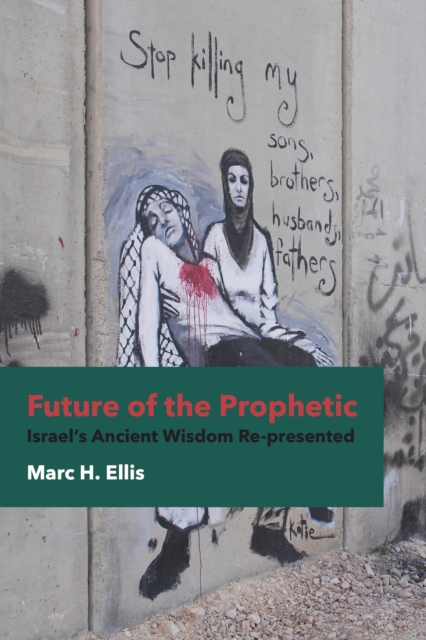
Future of the Prophetic argues that in the persistence of the prophetic, the legacy of the ancient Jewish world spread beyond the boundaries of the Jewish community and took root throughout the world.
Jesus’ words of indictment and judgment in the Gospel according to Matthew have fueled centuries of Christian anti-Judaism and the horrors of the twentieth-century Holocaust.
This title explores why Christians have different ways of looking at time, at how the life of the church is ordered and organized by days, weeks, seasons, and years.
Seng-Kong Tan argues that human participation in the divinea classical theological axiom most notably associated with the Eastern Orthodox traditionis a central theme in the theology of Jonathan Edwards.