The "e;Great Whore"e; of the Book of Revelationthe hostile symbolization used to illustrate the authors critique of empirehas attracted considerable attention in Revelation scholarship.
In Portraits of a Mature God, Mark McEntire traced the narrative development of the divine character in the Old Testament, placing the God portrayed at the end of that long story at the center of theological discussion.
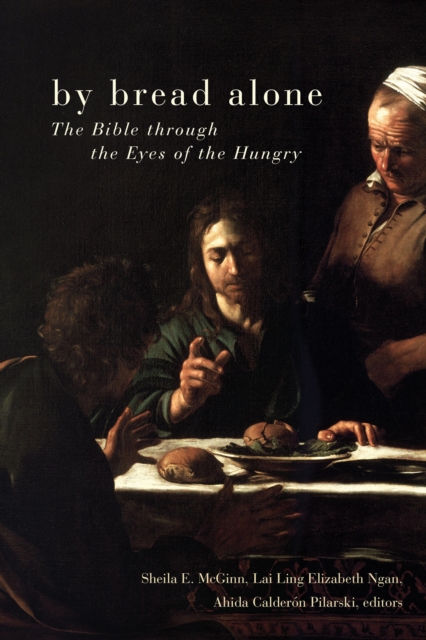
Important ecclesiastical documents have stressed the urgency of addressing world hunger and put in the foreground its natural and historical causes, from famine to global austerity measures and welfare.
Rebecca Todd Peters argues for an ethic of solidarity as a new model for how people of faith in the first world can live with integrity in the midst of global injustice and shape a more just future.
Were eunuchs more usually castrated guardians of the harem, as florid Orientalist portraits imagine them, or were they trusted court officials who may never have been castrated?
Natural theology is a philosophical site that is hotly debated and controversialit is claimed by Roman Catholics, Protestants, and Evangelicals as a crucial vantage point for the intersection of theology, philosophy, science, and politics, while it is, simultaneously, strongly contested by some theologians, such as those influenced by Karl Barth, as well as some philosophers and scientists, especially of the new atheist variety.
In contemporary reflection on Christianity and politics, the work of realist, witness, and feminist theologians has been done in isolation—that is, each school has largely pursued its projects without incorporating the insights of the others.
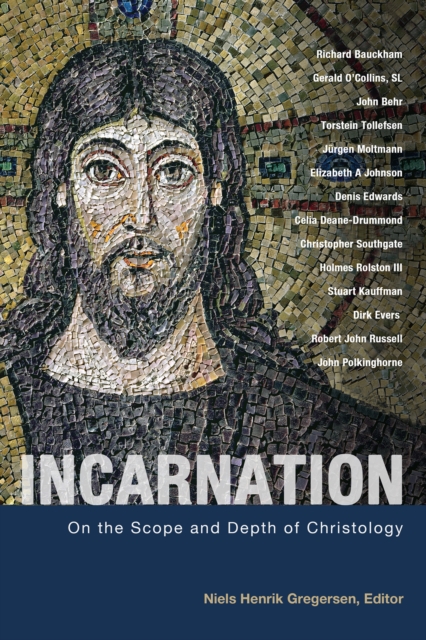
In this volume, prominent scholars take the reader on a journey from New Testament and early church views of incarnation to contemporary understandings of Christology.
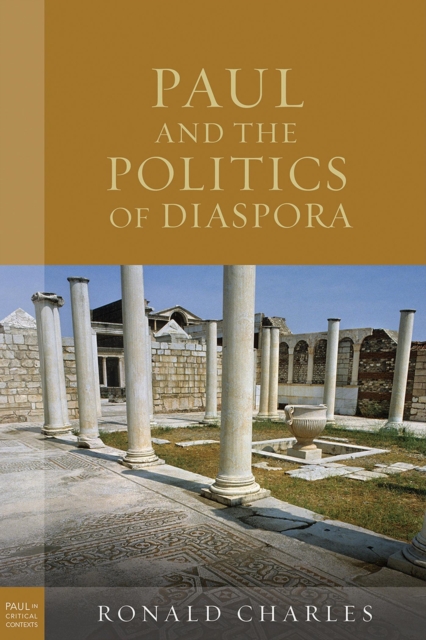
It is a commonplace today that Paul was a Jew of the Hellenistic Diaspora, but how does that observation help us to understand his thinking, his self-identification, and his practice?
Melvin traces the emergence and development of the motif of angelic interpretation of visions from late prophetic literature (Ezekiel 4048; Zechariah 16) into early apocalyptic literature (1 Enoch 1736; 7282; Daniel 78).
Presuming that the heart of Paul’s gospel announcement was the news that God had raised Jesus from the dead (as indicated in 1 Thessalonians 1:9b-10), Pillar explores the evidence in Paul’s letter and in aspects of the Roman imperial culture in Thessalonica in order to imagine what that proclamation would have evoked for its first hearers.
Arguing for a retrieval of the landmark work, Gods Fierce Whimsy, Stina Busman Jost establishes the critical importance of this volume for the construction of a dialogic theological method.
Key to a theology of scripture are the important issues of history, consciousness, rhetoric, and how theology functions in relation to interpretation of Christianitys religious texts.
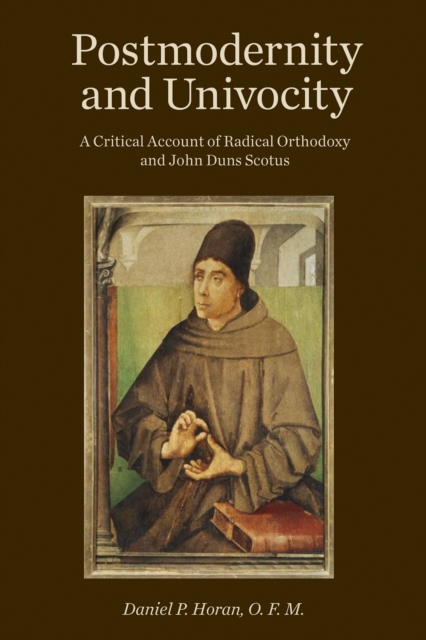
Nearly twenty-five years ago, John Milbank inaugurated Radical Orthodoxy, one of the most significant and influential theological movements of the last two decades.
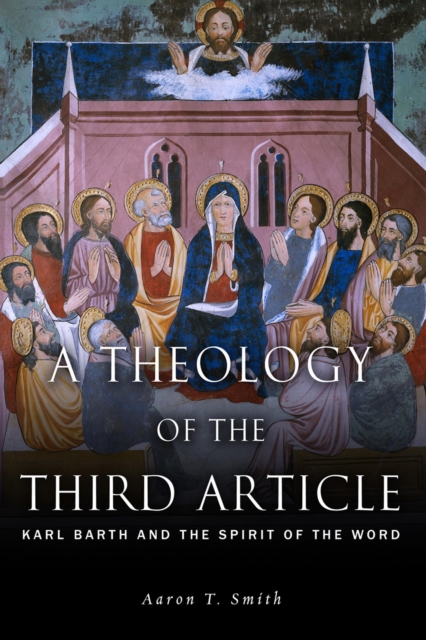
Toward the end of his career, Karl Barth made the provocative statement that perhaps what Schleiermacher was up to was a theology of the third article and that he anticipated in the future that a true third-article theology would appear.
Memory and Covenant applies new insights into the meaning and function of social memory to analyze the two major “religions” of the Pentateuch (D and P) and their relationship to one another.
We are constantly engaged in processing data and sensory inputs all around us, even when we are not conscious of the many neural pathways our minds are traveling.
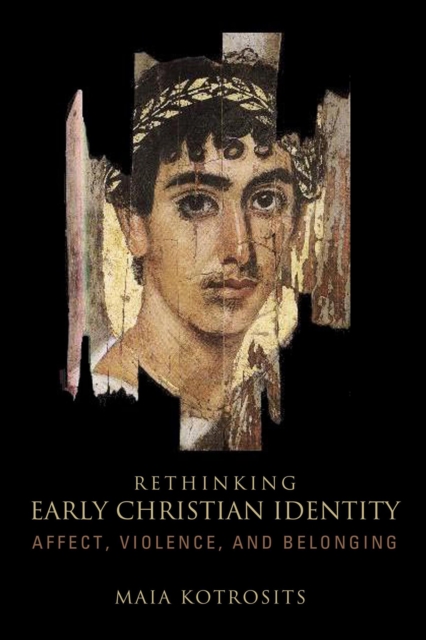
Maia Kotrosits challenges the contemporary notion of “early Christian literature,” showing that a number of texts usually so described—New Testament writings including Hebrews, Acts, the Gospel of John, Colossians, and 1 Peter, as well as the letters of Ignatius, the Gospel of Truth, and the Secret Revelation of John—are “not particularly interested” in a distinctive Christian identity or self-definition.
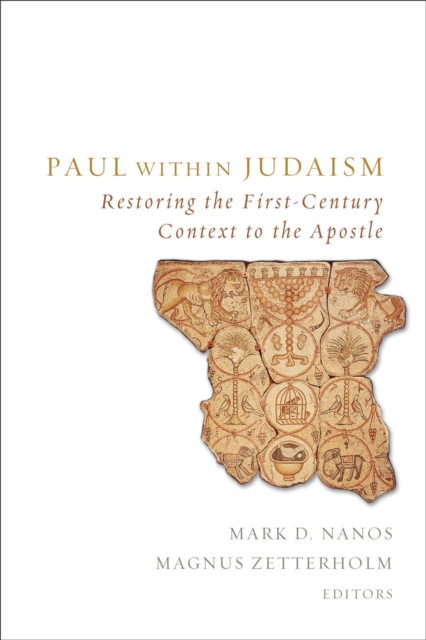
In these chapters, a group of renowned international scholars seek to describe Paul and his work from “within Judaism,” rather than on the assumption, still current after thirty years of the “New Perspective,” that in practice Paul left behind aspects of Jewish living after his discovery of Jesus as Christ (Messiah).
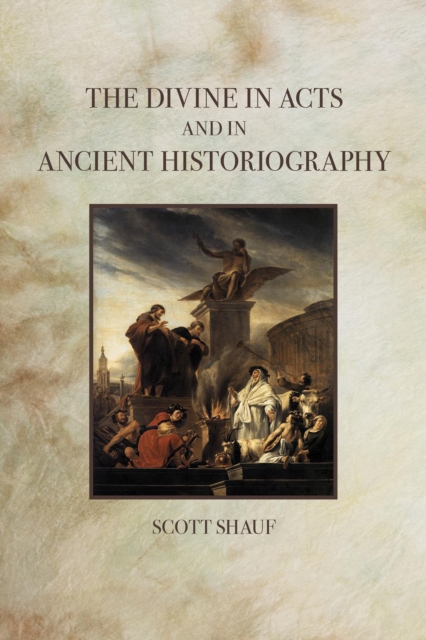
Scott Shauf compares the portrayal of the divine in Acts with portrayals of the divine in other ancient historiographical writings, the latter including Jewish and wider Greco-Roman historiographical traditions.
The problem of creation and grace has a long history of contention within Protestant and Catholic theology, involving not only internecine conflict within the traditions but fueling, as well, ecumenical debates that have continued a dogmatic divide.
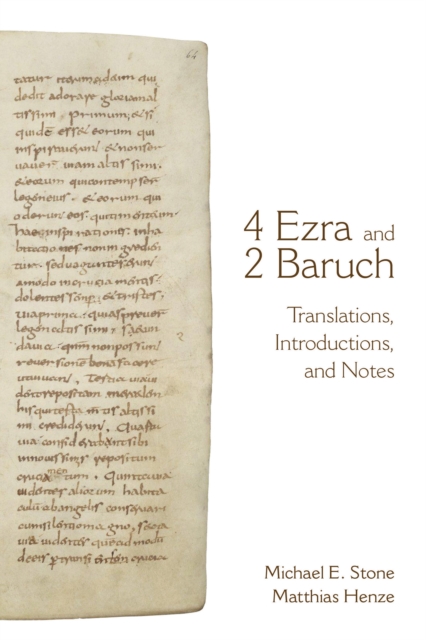
Fresh translations of early Jewish texts 4 Ezra and 2 Baruch, written in the decades after the Judean War, which saw Jerusalem conquered, the temple destroyed, and Judaism changed forever.
As one of the pillars of the nouvelle thologie movement, a main influence upon the Second Vatican Council, and one of the few figures to complete a full-scale multi-volume systematics, Hans Urs von Balthasar is undoubtedly one of the towering figures of twentieth-century theology.
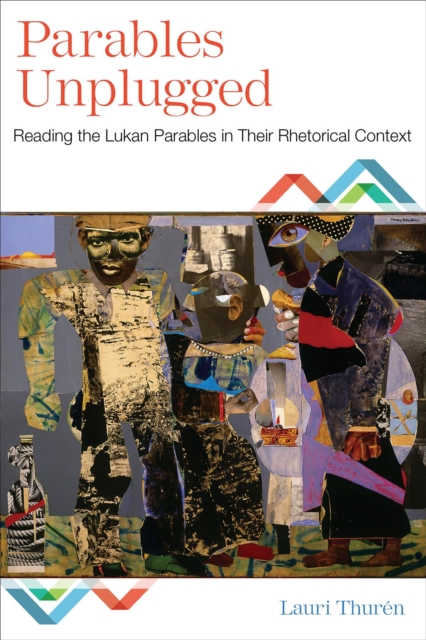
For far too long, Lauri Thuren argues, the parables of Jesus have been read either as allegories encoding Christian theology—including the theological message of one or another Gospel writer—or as tantalizing clues to the authentic voice of Jesus.
Sallie McFague offers a lucid and powerful guide to theological thinking about God and the world, individual and community, humanity and nature, reality and metaphor, the sacramental and the prophetic, and the critical issue of climate change for today’s world.
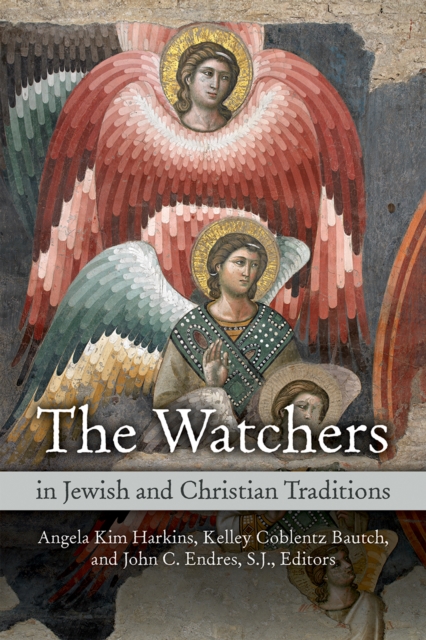
At the origin of the Watchers tradition is the single enigmatic reference in Genesis 6 to the sons of God who had intercourse with human women, producing a race of giants upon the earth.
Scholars are now at work not only rethinking Schleiermachers relation to the modern and contemporary theological tradition, but re-examining the dogmatic intricacies and commitments within his texts.
The mystery of Almighty God is most properly an explication of the oneness of God, tying the faith of the church to the bedrock of Israel’s confession of the lord of the covenant, the lord of our Lord Jesus Christ.
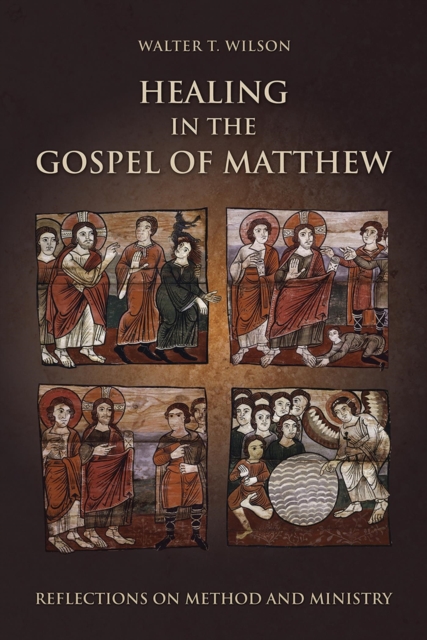
Although healing constitutes both a major theme of biblical literature and a significant practice of biblical communities, healing themes and experiences are not always conspicuous in presentations of biblical theology.
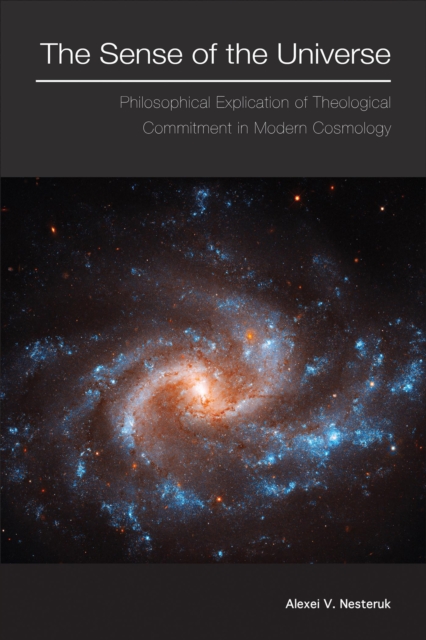
The Sense of the Universe deals with existential and phenomenological reflection upon modern cosmology with the aim to reveal hidden theological commitments in cosmology related to the mystery of human existence.