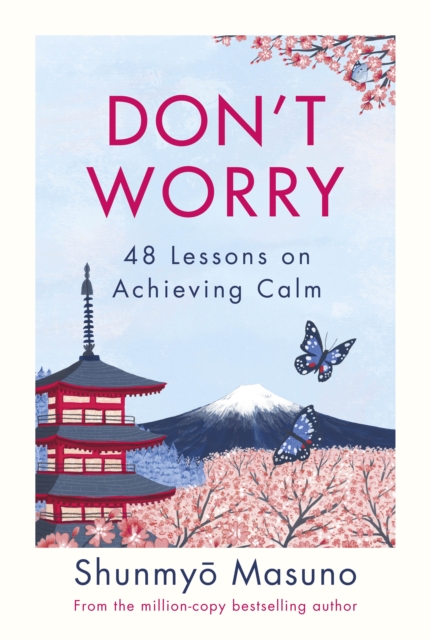
Feel your everyday stresses melt away with 48 simple, accessible and achievable lessons in this beautiful mindfulness guideFrom the renowned Bhuddist monk and million-copy bestselling author of Zen: The Art of Simple Living, Shunmyo Masuno_________Learn to let go of stress, change how you worry, and improve your life for good with this invaluable companion for reducing anxiety and maintaining calm.
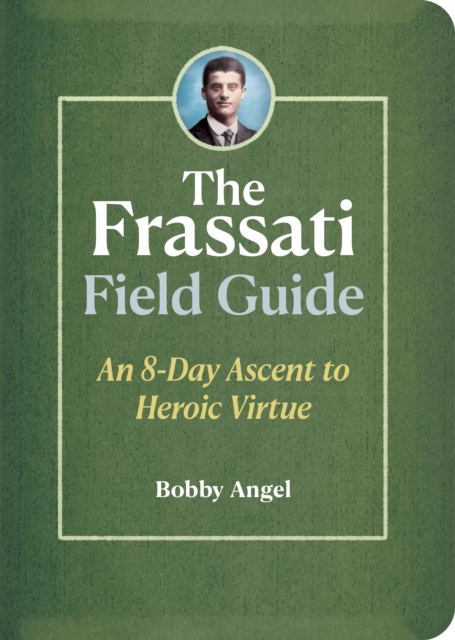
With Frassati's famous motto Verso l'alto (To the Heights), this book challenges you to rise to the occasion and live your Catholic faith with courageous action.
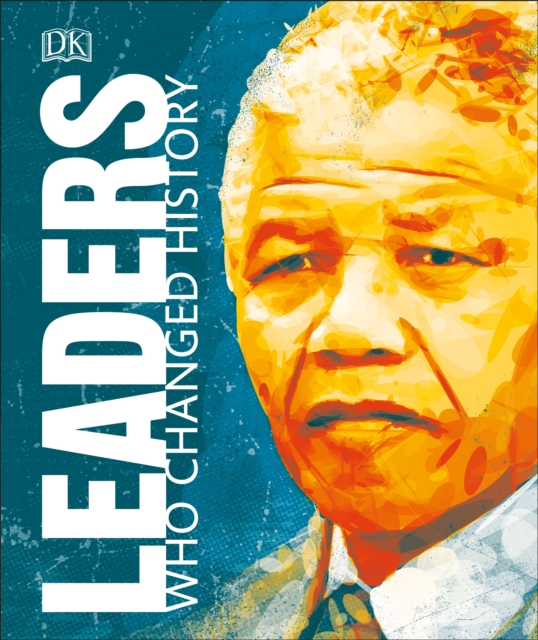
Explore the lives and achievements of more than 85 of the world's most inspirational and influential leaders with this innovative, and boldly graphic biography-led book.
How did a society on the edge of collapse and dominated by wandering bands of armed men give way to a vibrant Buddhist culture, led by yogins and scholars?
Through the eventful life of a Himalayan Buddhist teacher, Khunu Lama, this study reimagines cultural continuity beyond the binary of traditional and modern.
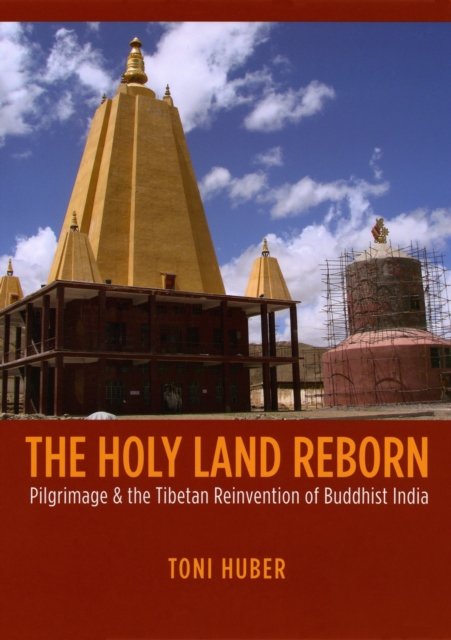
The Dalai Lama has said that Tibetans consider themselves "e;the child of Indian civilization"e; and that India is the "e;holy land"e; from whose sources the Tibetans have built their own civilization.
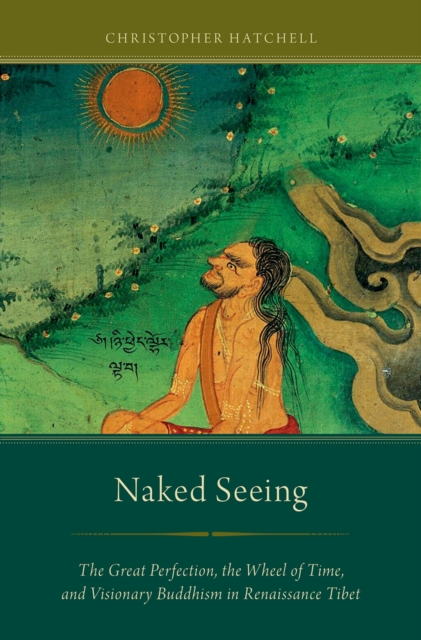
Buddhism is in many ways a visual tradition, with its well-known practices of visualization, its visual arts, its epistemological writings that discuss the act of seeing, and its literature filled with images and metaphors of light.
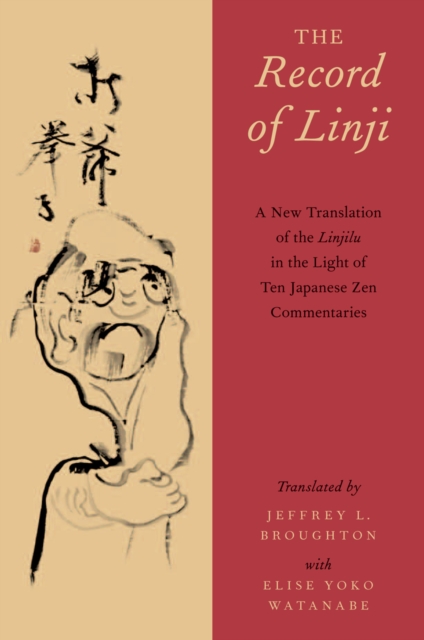
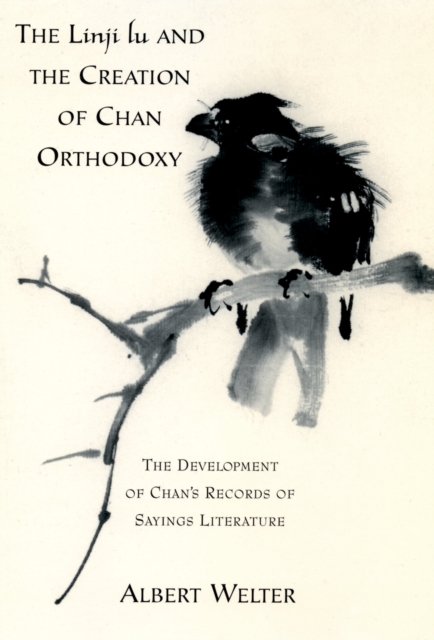
The Linjilu (Record of Linji or LJL) is one of the foundational texts of Chan/Zen Buddhist literature, and an accomplished work of baihua (vernacular) literature.
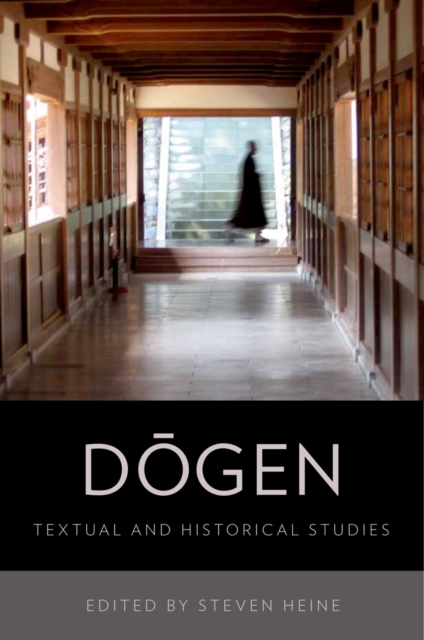
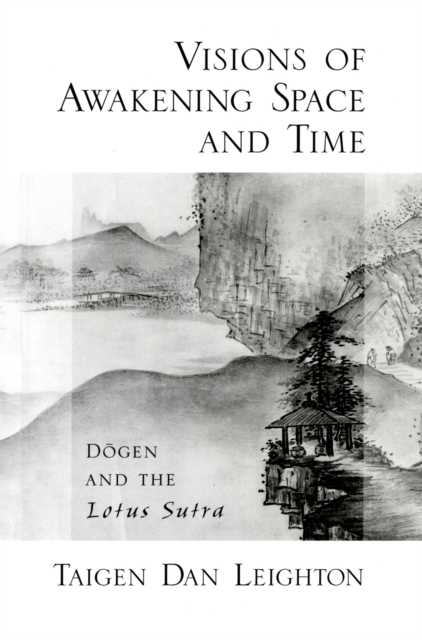
In this groundbreaking collection of essays edited by Steven Heine, leading scholars of Buddhism from both sides of the Pacific explore the life and thought of Zen Master Dogen (1200-1253), the founder of the Japanese Soto sect.
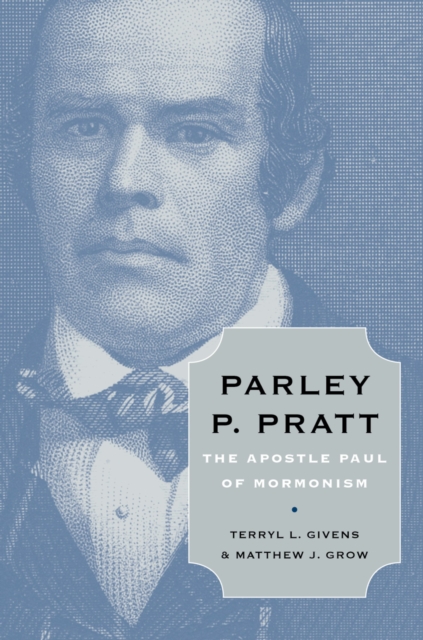
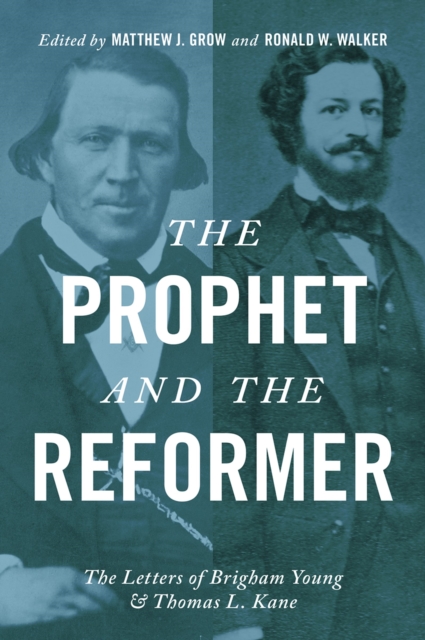
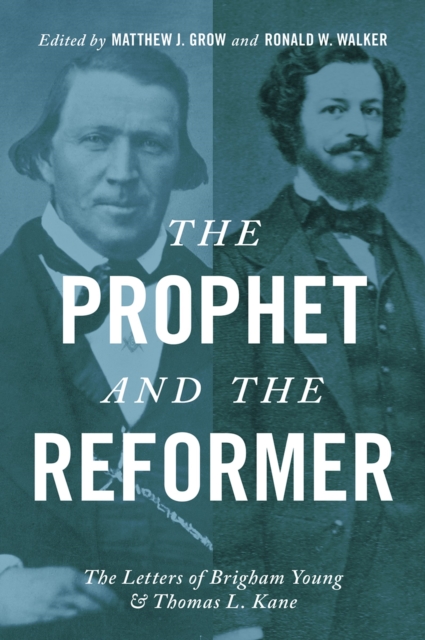
Until his death in 1877, Brigham Young guided the religious, economic, and political life of the Mormon community, whose settlements spread throughout the West and provoked a profound political, legal, and even military confrontation with the American nation.
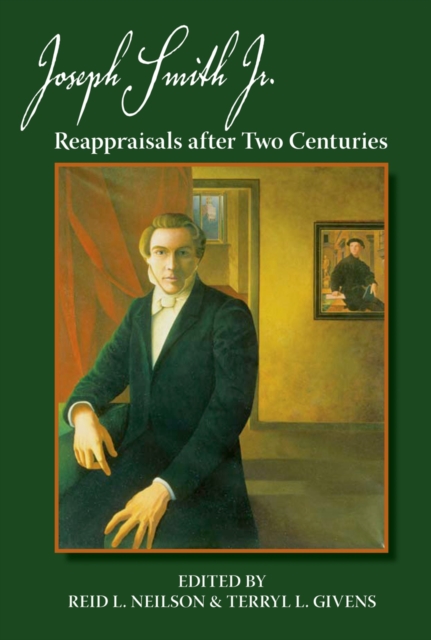
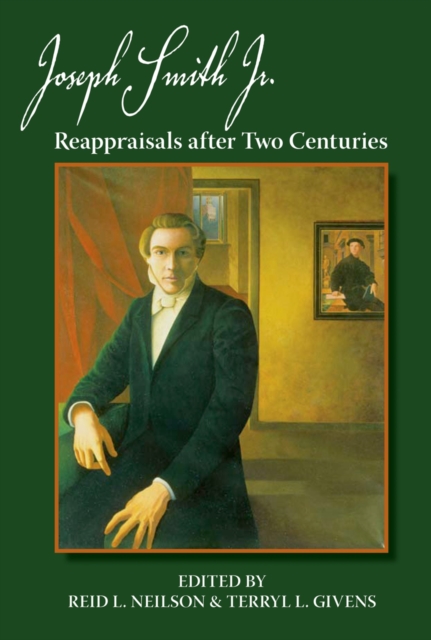
Mormon founder Joseph Smith is one of the most controversial figures of nineteenth-century American history, and a virtually inexhaustible subject for analysis.
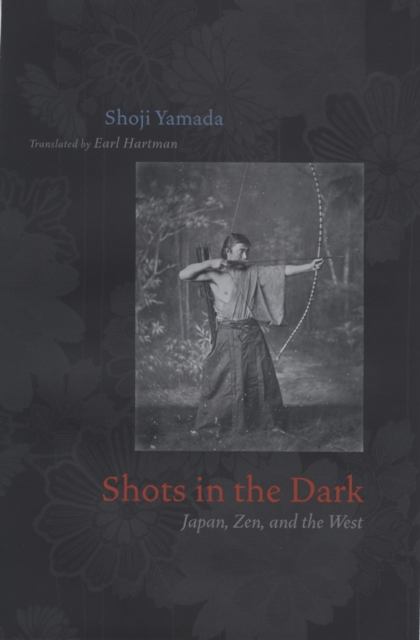
As a religion concerned with universal liberation, Zen grew out of a Buddhist worldview very different from the currently prevalent scientific materialism.
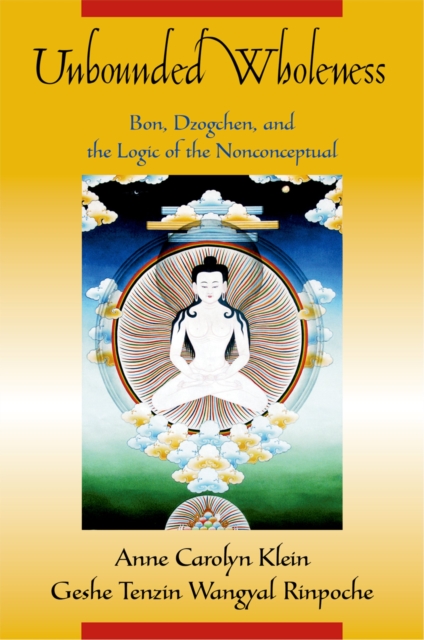
In this book, Anne Carolyn Klein, an American scholar and teacher of Buddhism, and Geshe Tenzin Wangyal Rinpoche, a rigorously trained Tibetan Lama who was among the first to bring Bon Dzogchen teachings to the West, provide a study and translation of the Authenticity of Open Awareness, a foundational text of the Bon Dzogchen tradition.
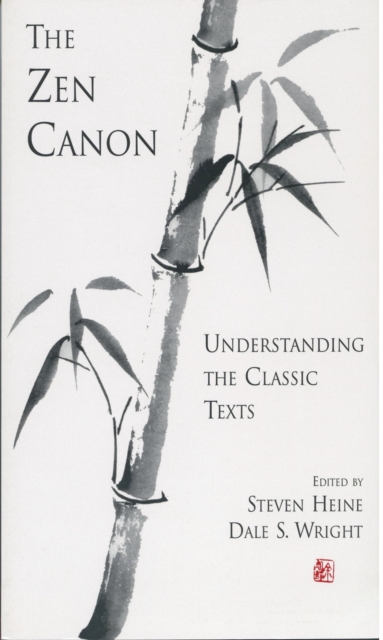
Bodhidharma, its first patriarch, reputedly said that Zen Buddhism represents "e;a special transmission outside the teaching/Without reliance on words and letters.
Until his death in 1877, Brigham Young guided the religious, economic, and political life of the Mormon community, whose settlements spread throughout the West and provoked a profound political, legal, and even military confrontation with the American nation.
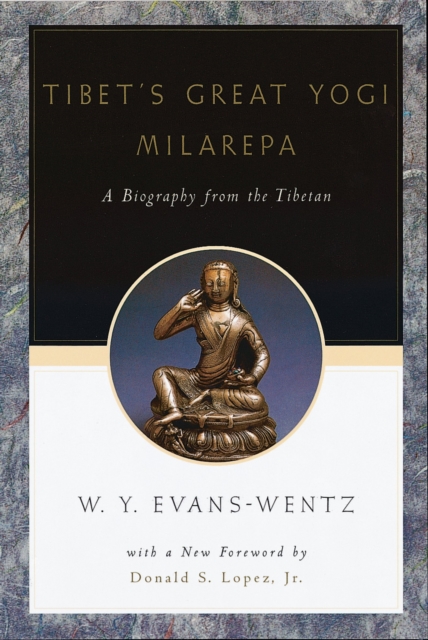
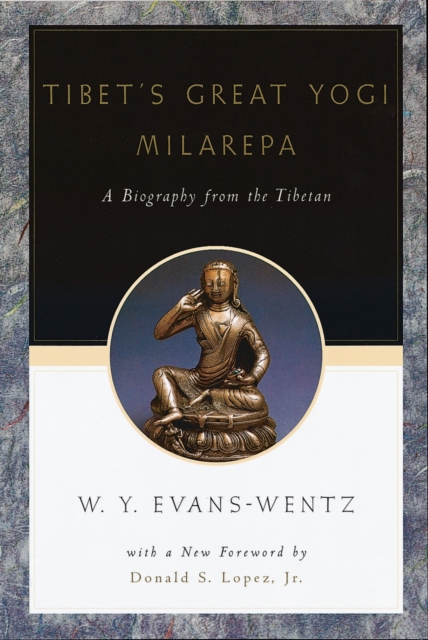
This life story of Milarepa--the important Tibetan religious leader who lived over 800 years ago--is part of a remarkable four-volume series on Tibetan Buddhism produced by the late W.
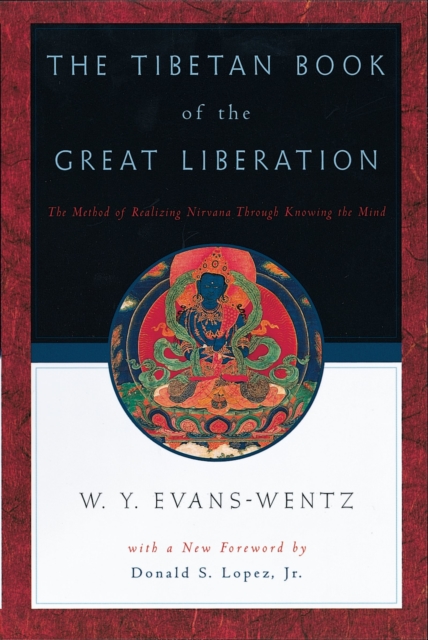
The Tibetan Book of the Great Liberation, which was unknown to the Western world until its first publication in 1954, speaks to the quintessence of the Supreme Path, or Mahayana, and fully reveals the yogic method of attaining Enlightenment.
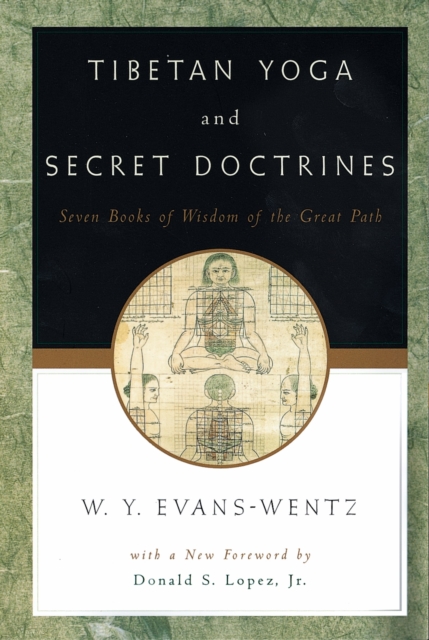
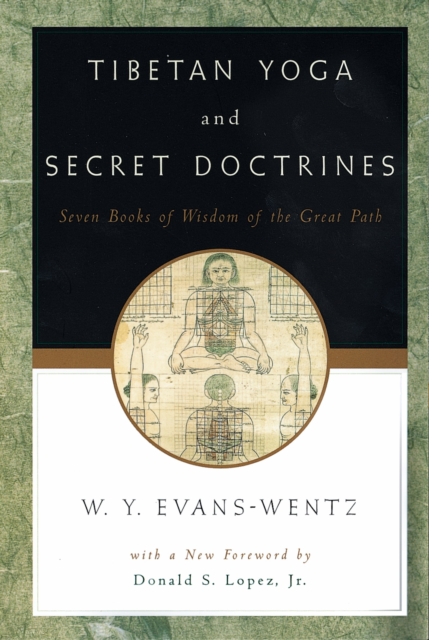
Books, audiotapes, and classes about yoga are today as familiar as they are widespread, but we in the West have only recently become engaged in the meditative doctrines of the East--only in the last 70 or 80 years, in fact.
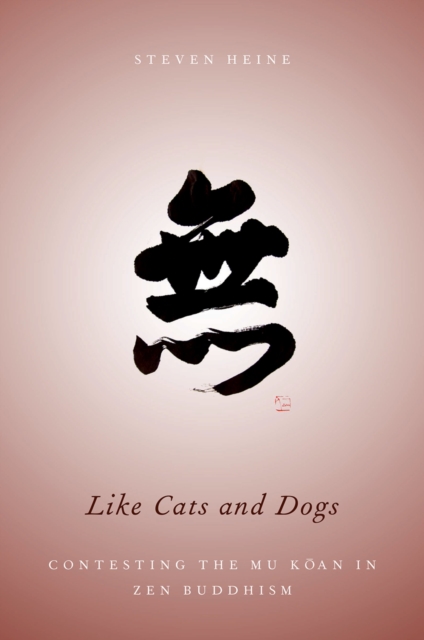
Koans are dialogues that stand at the center of Zen Buddhist literature and are often used to provoke the "e;great doubt"e; in testing a trainee's progress.
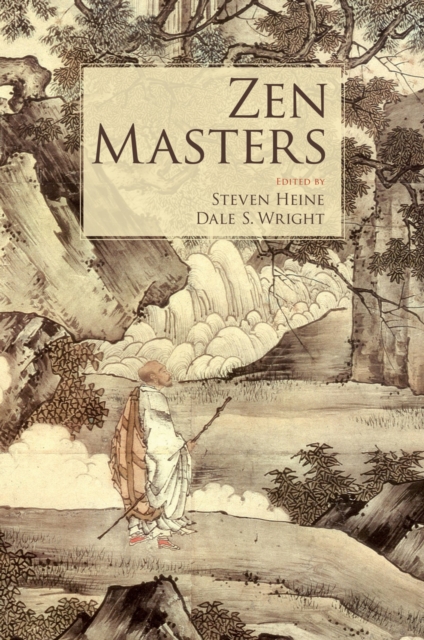
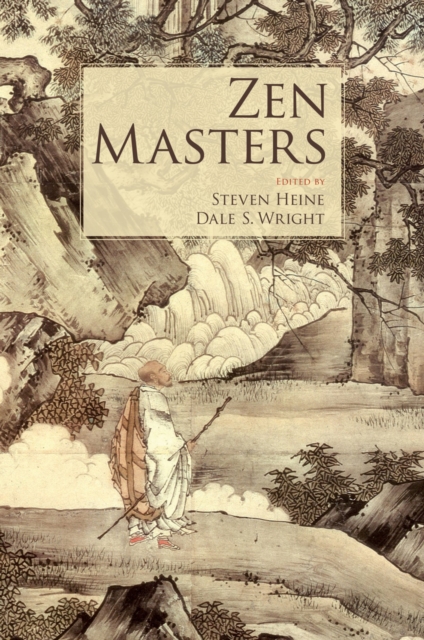
Extending their successful series of collections on Zen Buddhism, Heine and Wright present a fifth volume, on what may be the most important topic of all - Zen Masters.
This life story of Milarepa--the important Tibetan religious leader who lived over 800 years ago--is part of a remarkable four-volume series on Tibetan Buddhism produced by the late W.
Books, audiotapes, and classes about yoga are today as familiar as they are widespread, but we in the West have only recently become engaged in the meditative doctrines of the East--only in the last 70 or 80 years, in fact.
The Tibetan Book of the Great Liberation, which was unknown to the Western world until its first publication in 1954, speaks to the quintessence of the Supreme Path, or Mahayana, and fully reveals the yogic method of attaining Enlightenment.
As a religion concerned with universal liberation, Zen grew out of a Buddhist worldview very different from the currently prevalent scientific materialism.
Extending their successful series of collections on Zen Buddhism, Heine and Wright present a fifth volume, on what may be the most important topic of all - Zen Masters.
Mormon founder Joseph Smith is one of the most controversial figures of nineteenth-century American history, and a virtually inexhaustible subject for analysis.