'The one meditation tactic that will get you through the toughest times' Oprah DailyOvercome negative thoughts and develop a positive mindset this January with these meditation practices proven by neuroscientific research.
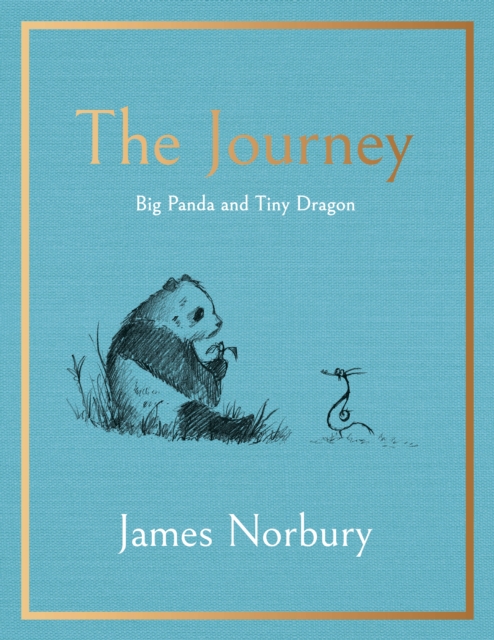
The beautifully illustrated new adventure from cherished friends and Sunday Times bestsellers BIG PANDA AND TINY DRAGON 'James has a way to speak to your soul.
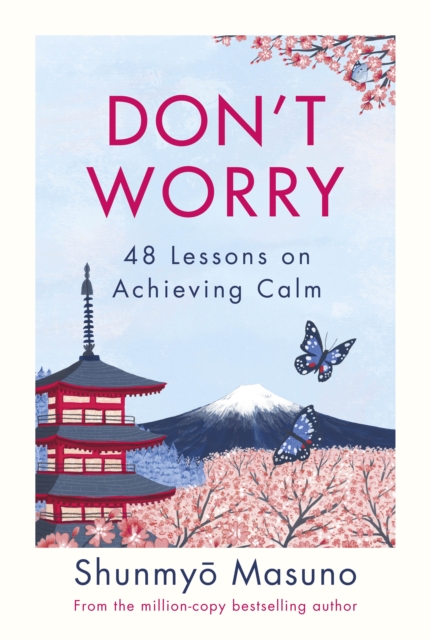
Feel your everyday stresses melt away with 48 simple, accessible and achievable lessons in this beautiful mindfulness guideFrom the renowned Bhuddist monk and million-copy bestselling author of Zen: The Art of Simple Living, Shunmyo Masuno_________Learn to let go of stress, change how you worry, and improve your life for good with this invaluable companion for reducing anxiety and maintaining calm.
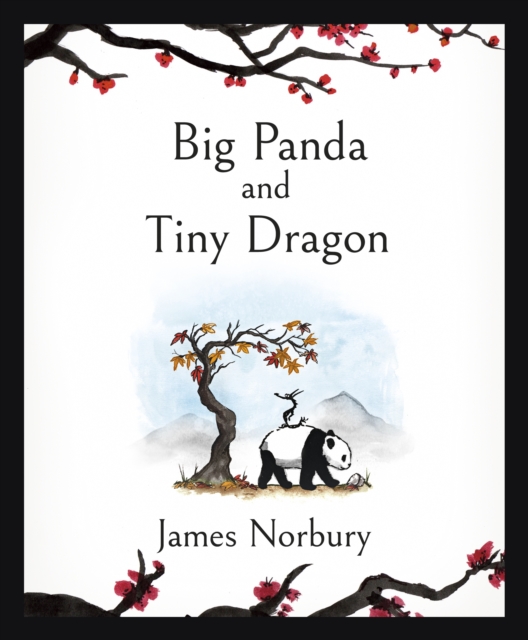
Discover the most beautiful book of the year as seen on ITV News and in the GuardianTHE SUNDAY TIMES BESTSELLER 'James has a way to speak to your soul.
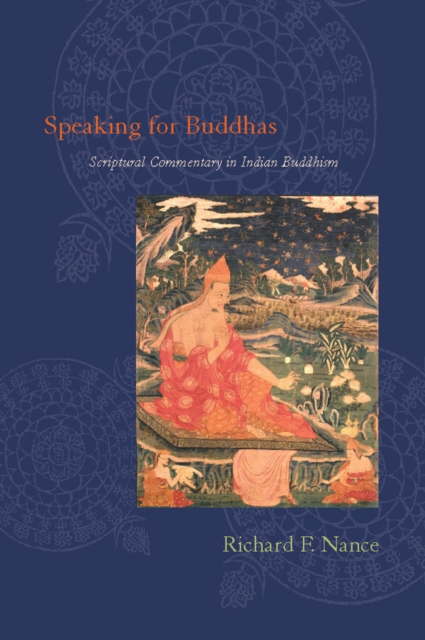
Buddhist intellectual discourse owes its development to a dynamic interplay between primary source materials and subsequent interpretation, yet scholarship on Indian Buddhism has long neglected to privilege one crucial series of texts.
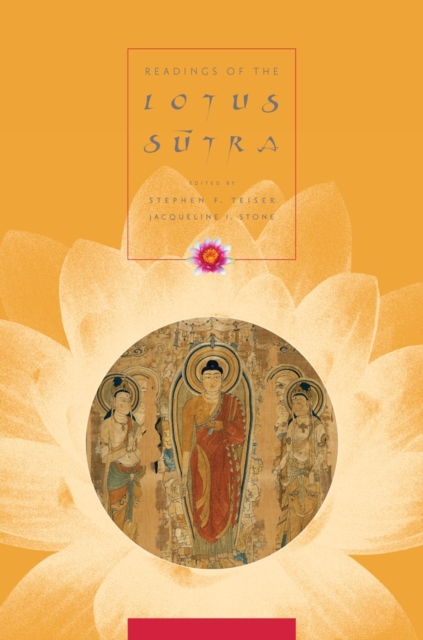
The Lotus Sutra proclaims that a unitary intent underlies the diversity of Buddhist teachings and promises that all people without exception can achieve supreme awakening.
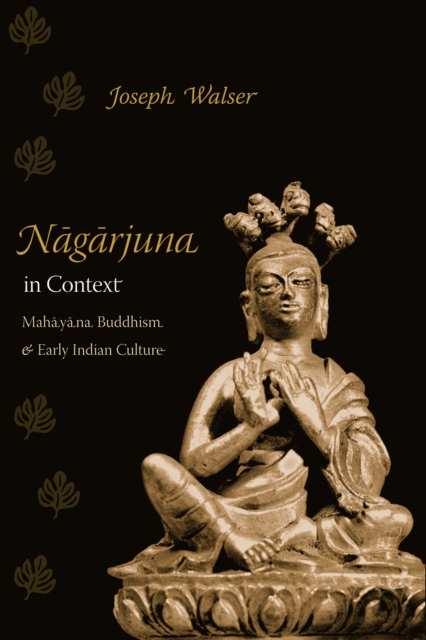
Joseph Walser provides the first examination of Nagarjuna's life and writings in the context of the religious and monastic debates of the second century CE.
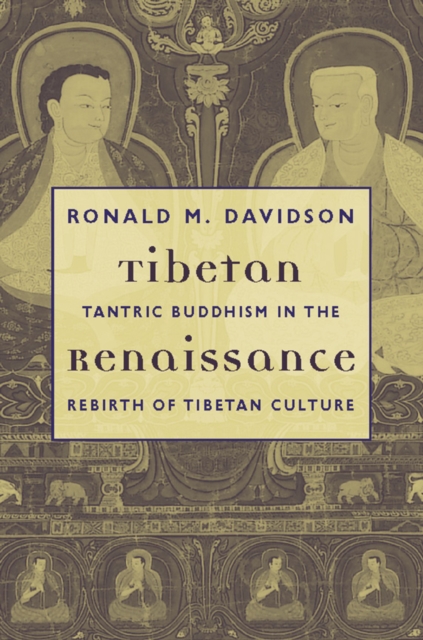
How did a society on the edge of collapse and dominated by wandering bands of armed men give way to a vibrant Buddhist culture, led by yogins and scholars?
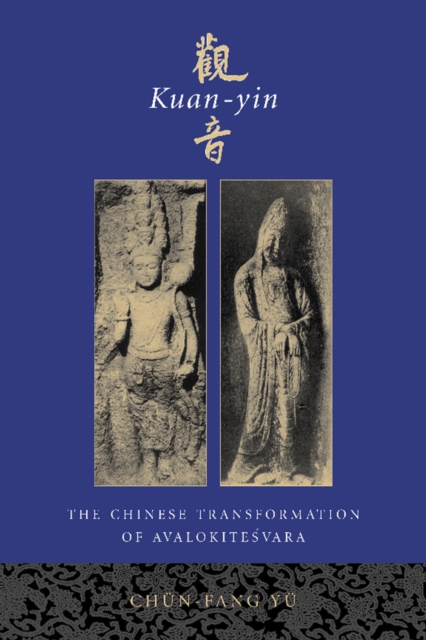
By far one of the most important objects of worship in the Buddhist traditions, the bodhisattva Avalokitesvara is regarded as the embodiment of compassion.
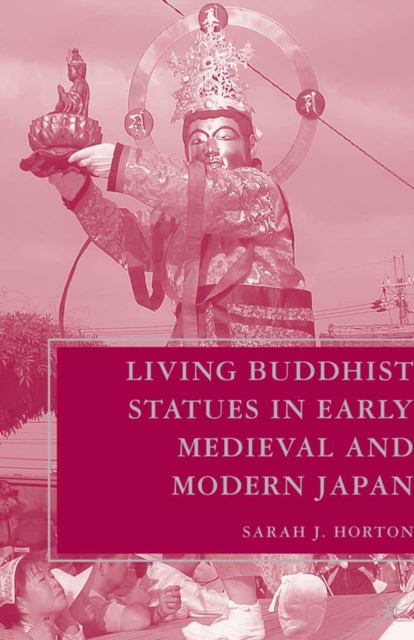
A study of the surprising functions of Buddhist statues, which helped disseminate Buddhist beliefs among the populace in Tenth- and Eleventh-century Japan.
The Record of Linji stands as one of the great classics of the Zen tradition, and modern Zen master and reformer Hisamatsu Shin'ichi offers a lively and penetrating exploration of the religious essence of the text.
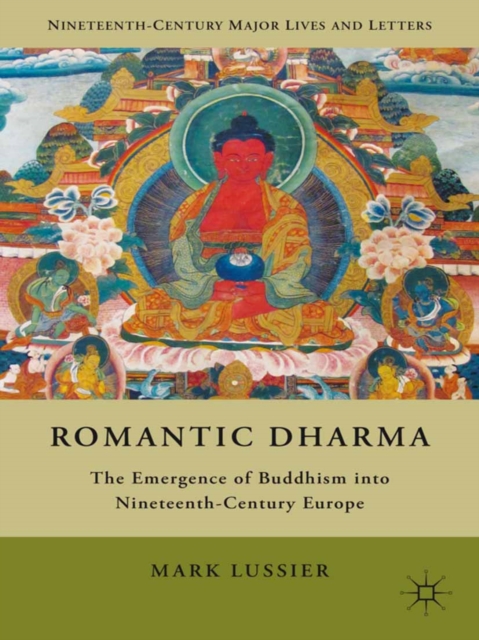
Romantic Dharma maps the emergence of Buddhism into European consciousness during the first half of the nineteenth century, probes the shared ethical and intellectual commitments embedded in Buddhist and Romantic thought, and proposes potential ways by which those insights translate into contemporary critical and pedagogical practices.
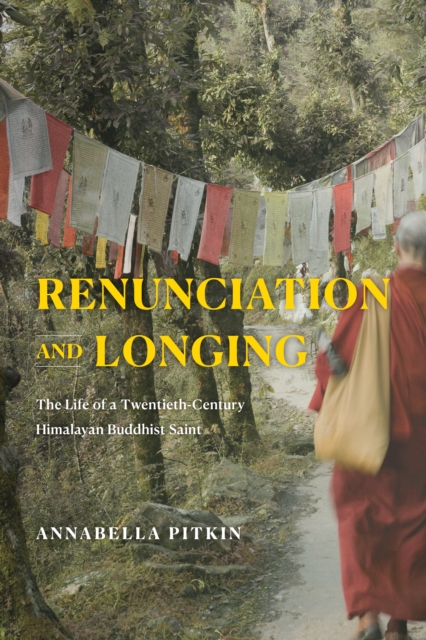
Through the eventful life of a Himalayan Buddhist teacher, Khunu Lama, this study reimagines cultural continuity beyond the binary of traditional and modern.
A richly illustrated tapestry of interwoven studies spanning some six thousand years of history, Daemons Are Forever is at once a record of archaic contacts and transactions between humans and protean spirit beings-daemons-and an account of exchanges, among human populations, of the science of spirit beings: daemonology.
Though fascinated with the land of their tradition's birth, virtually no Japanese Buddhists visited the Indian subcontinent before the nineteenth century.
In the year 721, a young Buddhist monk named Hyecho set out from the kingdom of Silla, on the Korean peninsula, on what would become one of the most extraordinary journeys in history.
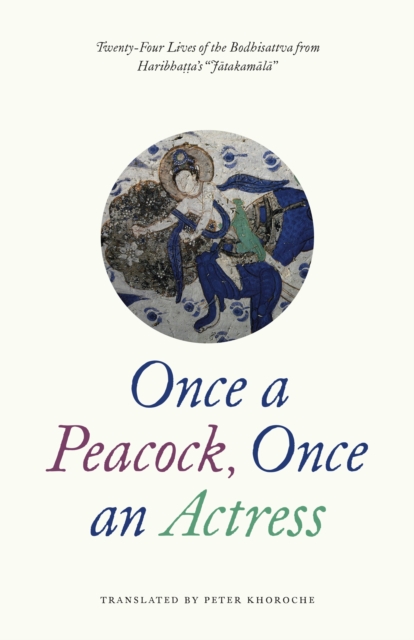
Written in Kashmir around 400 CE, Haribhatta's Jatakamala is a remarkable example of classical Sanskrit literature in a mixture of prose and verse that for centuries was known only in its Tibetan translation.
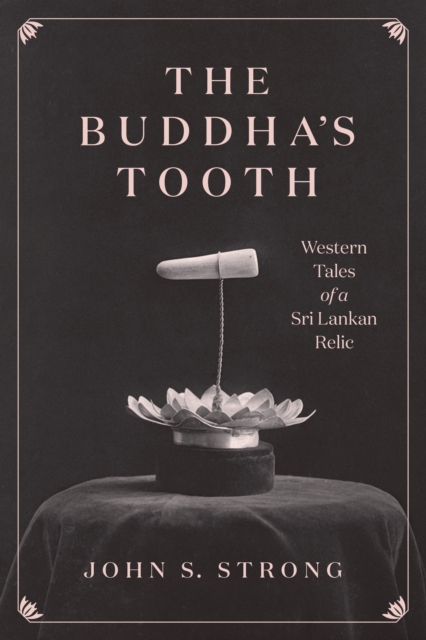
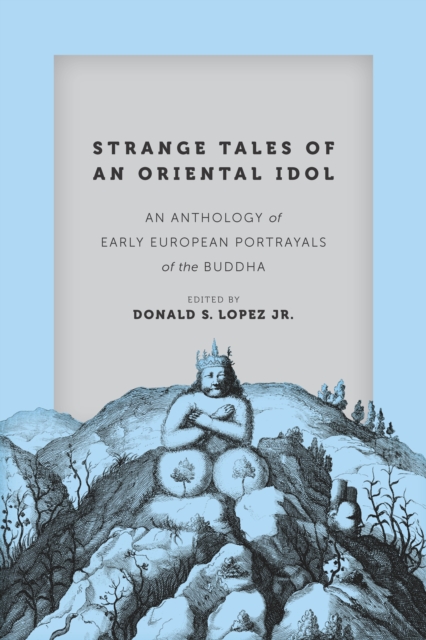
We tend to think that the Buddha has always been seen as the compassionate sage admired around the world today, but until the nineteenth century, Europeans often regarded him as a nefarious figure, an idol worshipped by the pagans of the Orient.
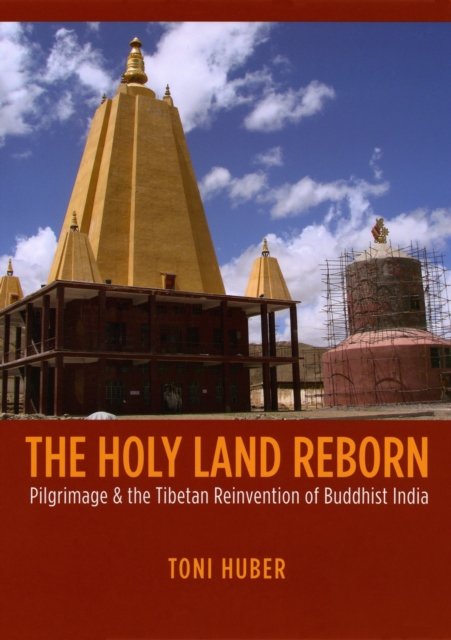
The Dalai Lama has said that Tibetans consider themselves "e;the child of Indian civilization"e; and that India is the "e;holy land"e; from whose sources the Tibetans have built their own civilization.
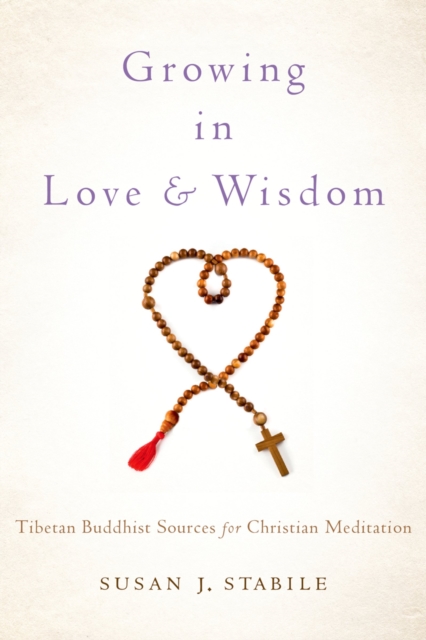
Although raised Roman Catholic, Susan Stabile was ordained as a Tibetan Buddhist nun and devoted 20 years of her life to practicing Buddhism before returning to Catholicism in 2001.
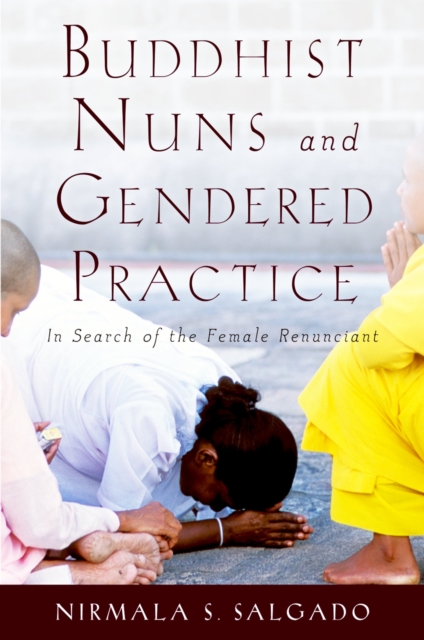
Based on extensive research in Sri Lanka and interviews with Theravada and Tibetan nuns from around the world, Salgado's groundbreaking study urges a rethinking of female renunciation.
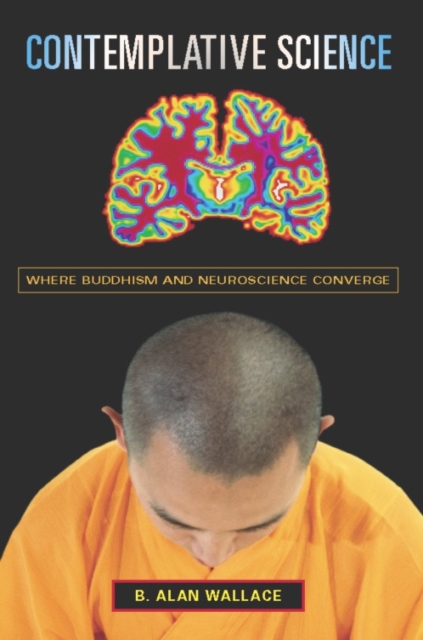
Many high-profile public intellectuals -- including "e;New Atheists"e; like Richard Dawkins, Daniel Dennett, and the late Christopher Hitchens -- have argued that religion and science are deeply antagonistic, representing two world views that are utterly incompatible.
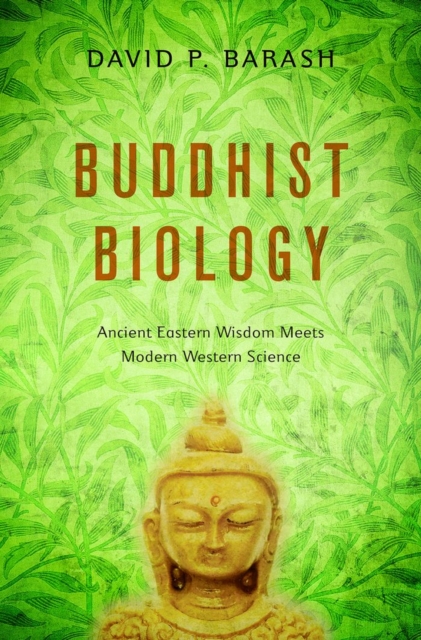
Many high-profile public intellectuals -- including "e;New Atheists"e; like Richard Dawkins, Daniel Dennett, and the late Christopher Hitchens -- have argued that religion and science are deeply antagonistic, representing two world views that are utterly incompatible.
Buddhism is in many ways a visual tradition, with its well-known practices of visualization, its visual arts, its epistemological writings that discuss the act of seeing, and its literature filled with images and metaphors of light.
The Buddhist saint Nagarjuna, who lived in South India in approximately the second century CE, is undoubtedly the most important, influential, and widely studied Mahayana Buddhist philosopher.
Buddhism in Mongolian History, Culture, and Society explores the unique elements of Mongolian Buddhism while challenging its stereotyped image as a mere replica of Tibetan Buddhism.