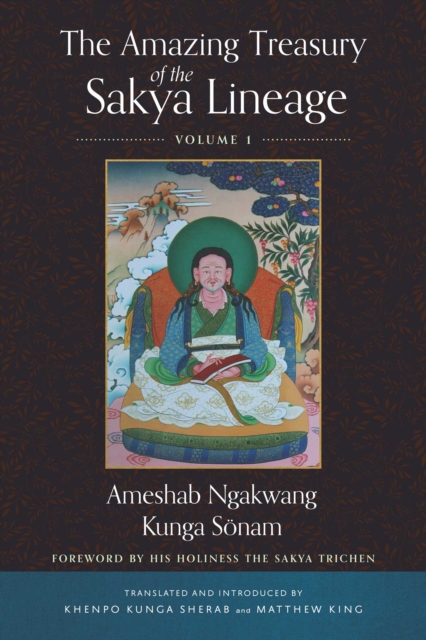
A lucid and landmark translation that offers an intriguing glimpse into Tibetan history, the Mongol Empire, and the spiritual development and remarkable lives of the early luminaries of the Sakya lineage of Tibetan Buddhism.
Anne Blackburn explores the emergence of a predominant Buddhist monastic culture in eighteenth-century Sri Lanka, while asking larger questions about the place of monasticism and education in the creation of religious and national traditions.
Becoming the Buddha is the first book-length study of a key ritual of Buddhist practice in Asia: the consecration of a Buddha image or "e;new Buddha,"e; a ceremony by which the Buddha becomes present or alive.
Robert Buswell, a Buddhist scholar who spent five years as a Zen monk in Korea, draws on personal experience in this insightful account of day-to-day Zen monastic practice.
Joseph Kitagawa, one of the founders of the field of history of religions and an eminent scholar of the religions of Japan, published his classic book Religion in Japanese History in 1966.
An eminent anthropologist examines the foundings of the first celibate Buddhist monasteries among the Sherpas of Nepal in the early twentieth century--a religious development that was a major departure from "e;folk"e; or "e;popular"e; Buddhism.
How do you let the Spirit work in you to bear good fruit when you're dealing with the never-ending drama of social media, a frustrating coworker, or the aggravating next-door neighbor?
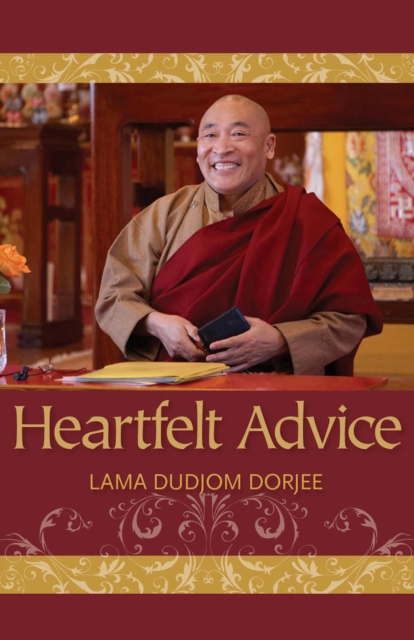
Heartfelt Advice offers readers an overview of basic Buddhist topics in small easily digestible bites that illuminate the main principles of Buddhist practice.
Bernard Faure's previous works are well known as guides to some of the more elusive aspects of the Chinese tradition of Chan Buddhism and its outgrowth, Japanese Zen.
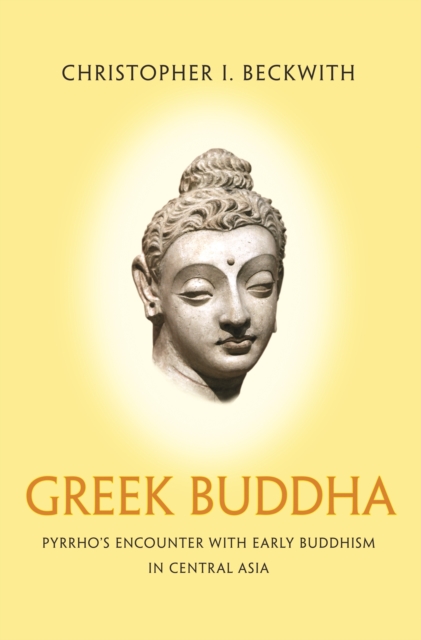
How a Greek philosopher's encounters with Buddhism in Central Asia influenced Western philosophyPyrrho of Elis went with Alexander the Great to Central Asia and India during the Greek invasion and conquest of the Persian Empire in 334-324 BC.
The Heart Sutra is perhaps the most famous Buddhist text, traditionally regarded as a potent expression of emptiness and of the Buddha's perfect wisdom.
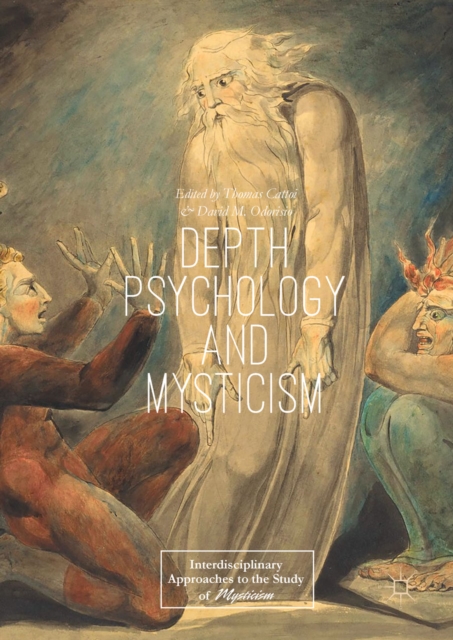
Since the late 19th century, when the "e;new science"e; of psychology and interest in esoteric and occult phenomena converged - leading to the "e;discovery"e; of the unconscious - the dual disciplines of depth psychology and mysticism have been wed in an often unholy union.
This book explores the topic of ideological manipulation in the translation of children's literature by addressing several crucial questions, including how target language norms and conventions affect the quality of a translation, how translations are selected on the basis of what is culturally accepted, who is involved in the selection of what should be translated for children in the target culture, and how this process takes place.
Though fascinated with the land of their tradition's birth, virtually no Japanese Buddhists visited the Indian subcontinent before the nineteenth century.
A leading writer and researcher on Tibet, Sam van Schaik offers an accessible and authoritative introduction to Tibetan Buddhism by examining its key texts, from its origins in the eighth century to teachings practiced across the world today.
This book investigates young children's everyday digital practices, embodied digital play, and digital media products - such as mobile applications, digital games, and software tools.
Meanings, Methods, and ModelsContextualization: Meanings, Methods, and Models is a classic textbook that brings together the meanings, proposals, and tasks involved in contextualization.
This book presents the welfare regime of China as a liminal space where religious and state authorities struggle for legitimacy as new social forces emerge.