The thirty-four essays in this volume follow the particular interests of Leonard van der Kuijp, whose groundbreaking research in Tibetan intellectual and cultural history imbued his students with an abiding sense of curiosity and discovery.
"e;A moving description of a life in practice which goes far beyond text-based ideas of prayer, devotion, guru-connection, or meditation, and most especially of tantric practice.
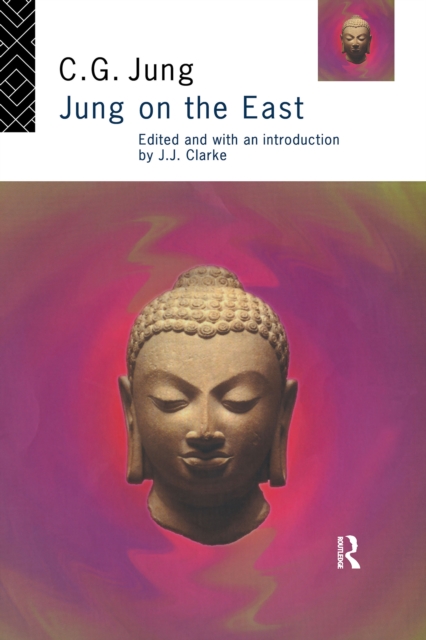
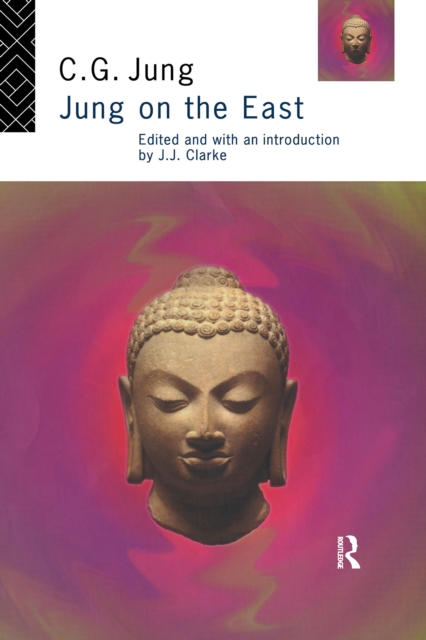
Jung's interest in the East was deep-rooted and life-long, and the traditional teachings of China and India played an important role in his personal and intellectual development, as well as in the formations of the ideas and practices that are central to Jungian psychology.
Jung's interest in the East was deep-rooted and life-long, and the traditional teachings of China and India played an important role in his personal and intellectual development, as well as in the formations of the ideas and practices that are central to Jungian psychology.
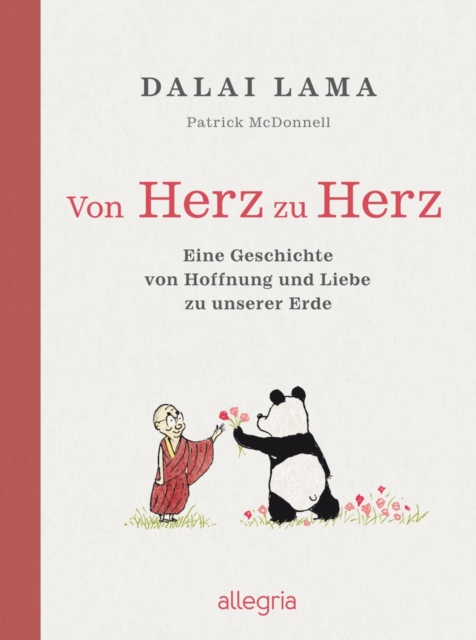
Eine Geschichte voller Hoffnung über die einzigartige Beziehung zwischen Mensch und ErdeDer Dalai Lama bekommt Besuch von einem Pandabären, der viele Meilen gewandert ist, um ihn zu sehen.
Dieses Buch untersucht, wie man den Buddhismus in der Psychotherapie einsetzen kann und wie der Buddhismus selbst als eine Form der Psychotherapie fungieren kann.
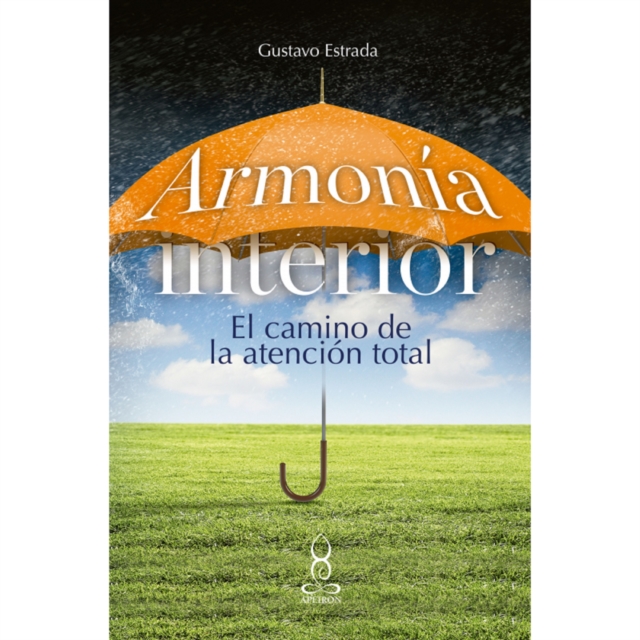
El camino de la atención totalEl tema central de este libro es la armonía interior y las acciones que todos debemos tomar —los deseos intensos que debemos detener, las aversiones que debemos olvidar, las opiniones sesgadas que debemos soltar— para permitir la aparición espontánea de la armonía interior en nuestras vidas.
A landmark work that demystifies the rich tradition of Indian art, Myths and Symbols in Indian Art and Civilization analyzes key motifs found in legend, myth, and folklore taken directly from the Sanskrit.
In this rich and deeply personal account of life in the highlands of Nepal, Geoff Childs chronicles the daily existence of a range of people, from venerated lamas to humble householders.
Using eleven Zen stories as a starting point and diving deep into their mysterious world, he then weaves his magical clarity on many diverse contemporary topics.
For nearly forty-five years, Arnaud Maitland has devoted himself to the teachings of Tarthang Tulku Rinpoche, one of the last surviving Nyingma lamas to receive a complete education in Old Tibet.
A practical, straight-forward guide to the true purpose of Buddhism, examining the essential & enduring questions at the heart of the Buddha's teachings.
Written in Kashmir around 400 CE, Haribhatta's Jatakamala is a remarkable example of classical Sanskrit literature in a mixture of prose and verse that for centuries was known only in its Tibetan translation.
A richly illustrated tapestry of interwoven studies spanning some six thousand years of history, Daemons Are Forever is at once a record of archaic contacts and transactions between humans and protean spirit beings-daemons-and an account of exchanges, among human populations, of the science of spirit beings: daemonology.
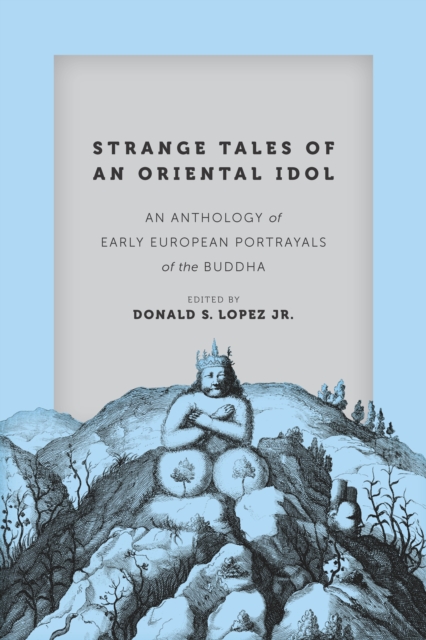
We tend to think that the Buddha has always been seen as the compassionate sage admired around the world today, but until the nineteenth century, Europeans often regarded him as a nefarious figure, an idol worshipped by the pagans of the Orient.
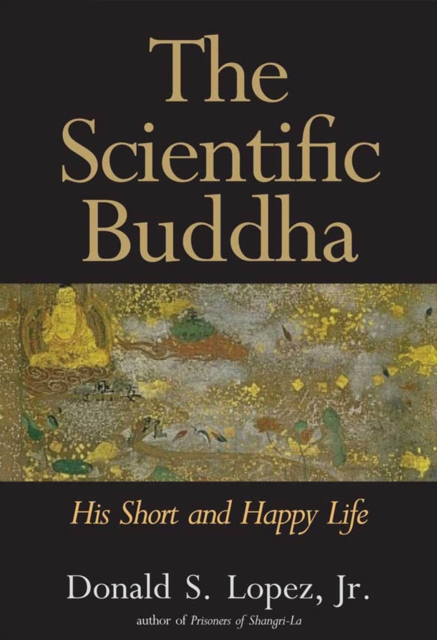
How Western notions of the Buddha have come to misrepresent his teachings and the traditional goals of Buddhist practice This book tells the story of the Scientific Buddha, "born" in Europe in the 1800s but commonly confused with the Buddha born in India 2,500 years ago.
An essential collection of Stephen Batchelor’s most probing and important work on secular Buddhism As the practice of mindfulness permeates mainstream Western culture, more and more people are engaging in a traditional form of Buddhist meditation.
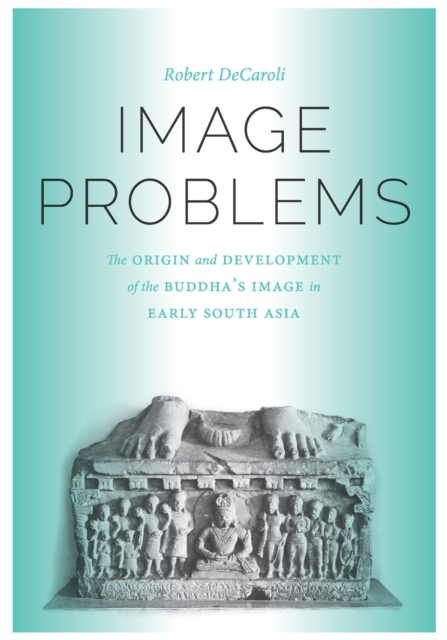
This deft and lively study by Robert DeCaroli explores the questions of how and why the earliest verifiable images of the historical Buddha were created.
In this first serious study of Hanshan (Cold Mountain), Paul Rouzer discusses some seventy poems of the iconic Chinese poet who lived sometime during the Tang dynasty (618907).
A provocative essay challenging the idea of Buddhist exceptionalism, from one of the world's most widely respected philosophers and writers on Buddhism and scienceBuddhism has become a uniquely favored religion in our modern age.
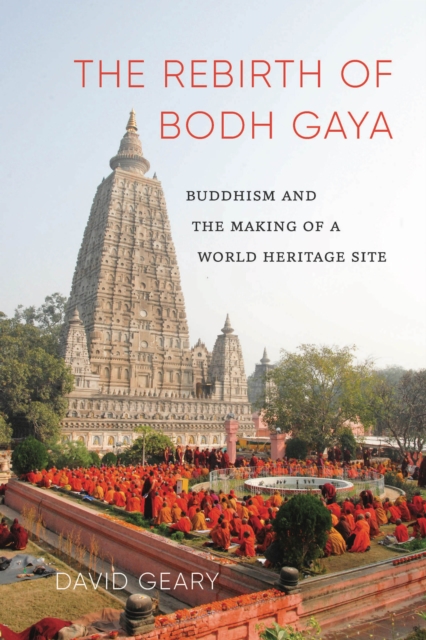
This multilayered historical ethnography of Bodh Gaya the place of Buddhas enlightenment in the north Indian state of Bihar explores the spatial politics surrounding the transformation of the Mahabodhi Temple Complex into a UNESCO World Heritage site in 2002.
An engaging introduction to Zen Buddhism, featuring a new English translation of one of the earliest Zen texts Leading Buddhist scholar Sam van Schaik explores the history and essence of Zen, based on a new translation of one of the earliest surviving collections of teachings by Zen masters.
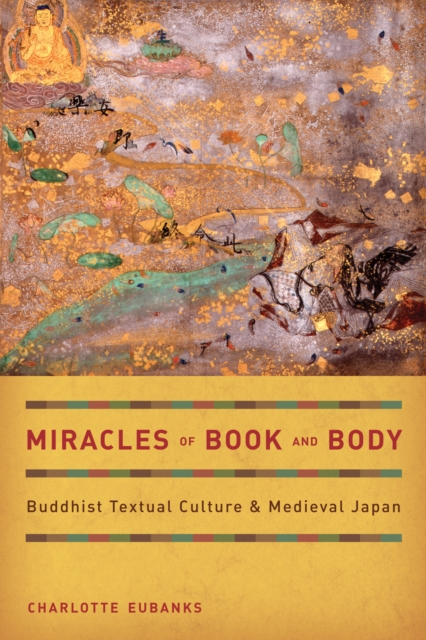
Miracles of Book and Body is the first book to explore the intersection of two key genres of sacred literature in medieval Japan: sutras, or sacred Buddhist texts, and setsuwa, or "e;explanatory tales,"e; used in sermons and collected in written compilations.