This book offers reflections on a number of theological themes, going beyond abstraction to ask what is involved in coming to know God--through all the praying, struggling, and rejoicing that entails.
Chapter: The Birth Story of Temiya, or of the Dumb CrippleThis is the first complete English translation in over a century of the ten great j taka tales covering the Bodhisatta's final adventures in the human realm before his ultimate life and enlightenment as the Buddha.
This volume throws out a lifeline to all who are running low on hope--those going under, losing their grip, slipping away, falling, failing, listing, losing, lost--as well as to those looking to enliven and embolden their hope.
In these challenging times, the resident population served by the predominantly African-American church demands and deserves specific attention in order to preserve the uniquely cohesive nature of the African-American community.
Inner Messiah, Divine Character encourages readers to deploy their imaginations in describing their lives as a confluence of narrative constructs to identify, analyze, and overcome obstacles and destructive patterns in both their personal and professional lives.
Like a who-done-it of the spirit, Six Doors to the Seventh Dimension escorts travelers through the house of life, revealing at each threshold another critical aspect of the way to wholeness, harmony, and peace.
In this thoughtful, affectionate collection of interviews and letters spanning three decades, beloved poet Gary Snyder talks with South African writer and scholar Julia Martin.
From early Jewish-Christian texts such as the Didache, which present well-defined catechetical programs, to contemporary authors such as Dallas Willard, who offer in-depth insights into the transformations of one's heart and soul, systematic texts on spiritual formation in the Western Christian tradition abound.
Have you ever wondered what it would be like to travel to a far-off and distant place to share with an unreached people group the gospel of the Lord Jesus Christ?
Beyond the Walls of Separation is an essential and easy-to-read guidebook for chaplains and volunteers working in the context of prison, and for all those who are professionally or through family links related to those in prison.
These sermons make a strong exegetical and homiletical case, each based upon specific biblical texts, for the central biblical claim for God's radical, unconditional, and universal grace to humankind.
Interpreting Life depicts one Christian woman's struggle to determine her place in the home and church as the traditional roles of the 1950s gave way to the chaos created by the social movements of the 1960s and 1970s.
In a time of life-and-death challenges to the human spirit--global economics, nuclear dangers, environmental threats, and religious polarization and war--Christians must look for resources that provide new insights of God's power and care for all people.
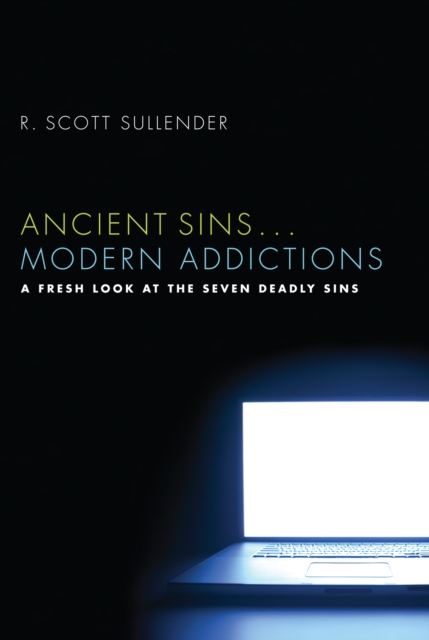
There is a virtual epidemic of addiction in the United States, both traditional addictions to drugs and alcohol but also newer addictions, like sex, gambling, rage, work, and food/eating.