Buddhism is one of the fastest growing religions in the world today -and THE BUDDHIST HANDBOOK is the best introduction to the teachings of Buddhism, the main schools, the Buddhist world-view, leading Buddhist teachers, Buddhist festivals and meditation.
Nichiren Daishonin Buddhism encourages the belief that, through its faith and practices, spiritual and material blessings and benefits can be available to everyone in this life.
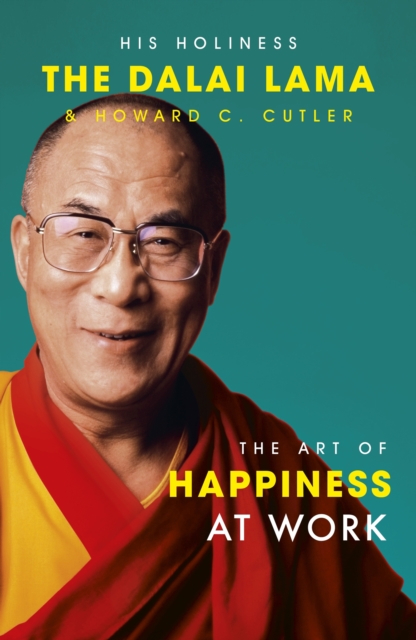
In 1999 His Holiness The Dalai Lama published the bestselling Ancient Wisdom: Modern World, which addressed the question of ethics for the new millennium.
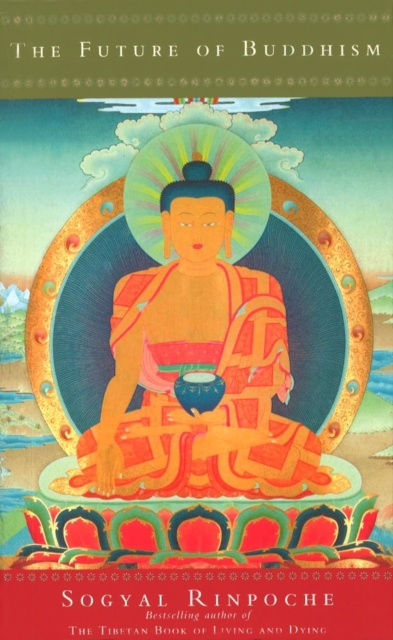
In this fascinating collection of articles, Sogyal Rinpoche, author of The Tibetan Book of Living and Dying, draws on his experience of twenty-five years of teaching in the West.
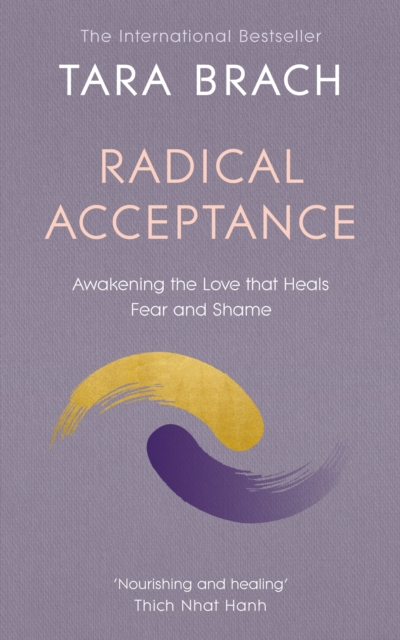
'An invitation to embrace ourselves with all our pain, fear and anxieties, and to step lightly yet firmly on the path of understanding and compassion' Thich Nhat HanhFeelings of self-doubt and insecurity are what hold us back in life and cause true suffering.
From the bestselling author of Fingerprints of the Gods, and creator of the explosive Netflix series, Ancient Apocalypse____________________________________'Supernatural: of or relating to things that cannot be explained according to natural laws.
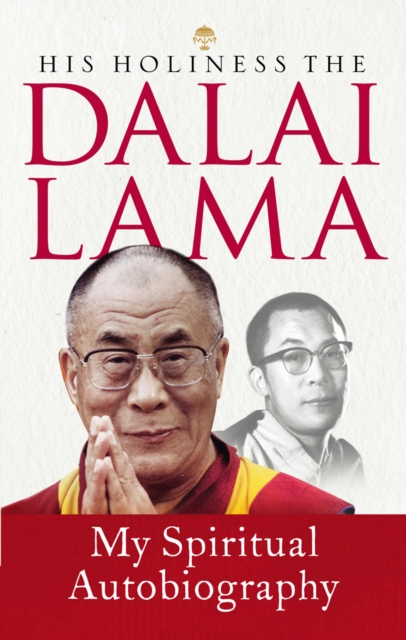
He's master of the PlayStation, he listens to rap music, he writes poetry and, in his eighteen-year-old hands, may hold the future of the Tibetan people.
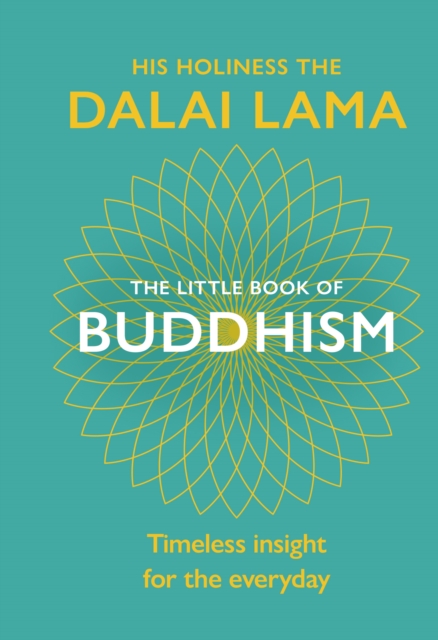
Discover Buddhism with the world's most revered spiritual leaderThis jewel of a book offers the core teachings on Buddhism applicable in daily life from His Holiness the Dalai Lama.
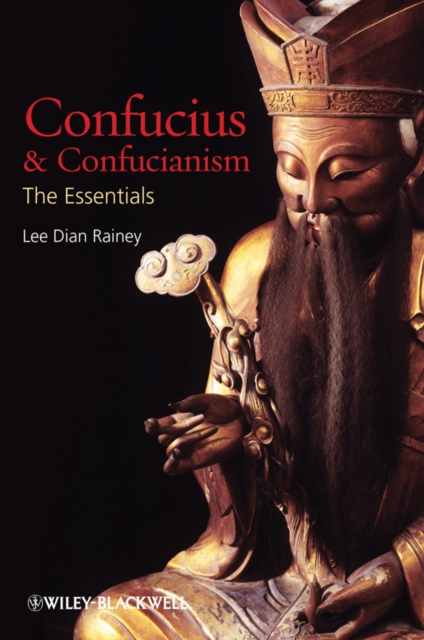
This comprehensive introduction explores the life and teachings of Confucius, and development of Confucian thought, from ancient times to the present today.
Die Autobiografie des Zen-Meisters Thich Nhat Hanh über die Anfänge eines beispiellosen spirituellen LebenswegsWie wurde Thich Nhat Hanh zu einem spirituellen Meister?
Das Gewissen, oder auch die ›innere Stimme‹ – ist eine metaphorische Instanz, das den internen Dialog oder die Gedanken beschreibt, die Menschen in ihrem Geist erfahren.
The books in this bite-sized new series contain no complicated techniques or tricky materials, making them ideal for the busy, the time-pressured or the merely curious.
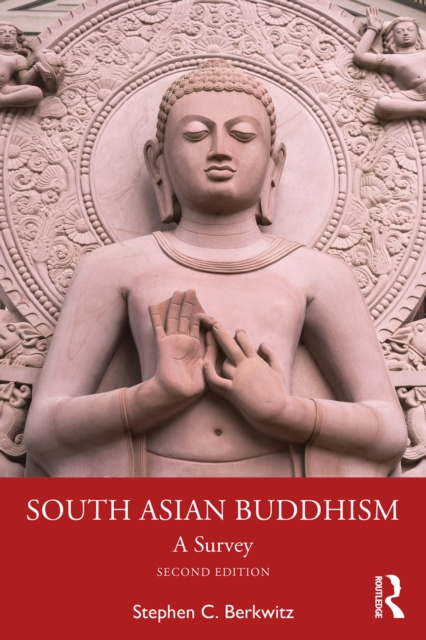
This second, revised edition of South Asian Buddhism: A Survey presents an updated, comprehensive examination of the full range of Buddhist traditions throughout South Asia from the beginnings of the religion up to the present.
This is a cross-cultural study of the multifaceted relations between Buddhism, its materiality, and instances of religious violence and destruction in East Asia, which remains a vast and still largely unexplored field of inquiry.
This is a cross-cultural study of the multifaceted relations between Buddhism, its materiality, and instances of religious violence and destruction in East Asia, which remains a vast and still largely unexplored field of inquiry.
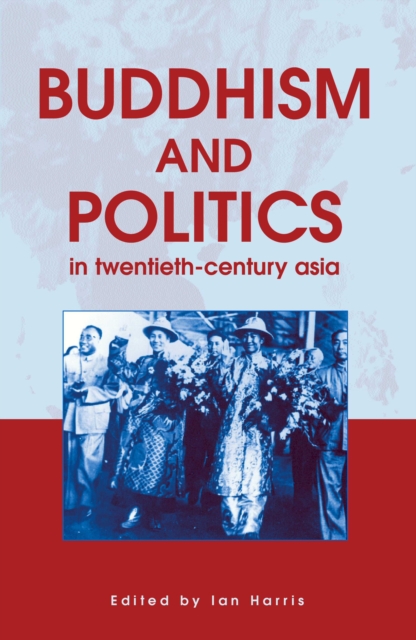
In this study, a team of international scholars assess the manner in which Buddhist organizations and individuals have resisted, come to terms with, or in some cases allied themselves with the forces of war, modernity, westernization, nationalization, capitalism, communism, and ethnic conflict.
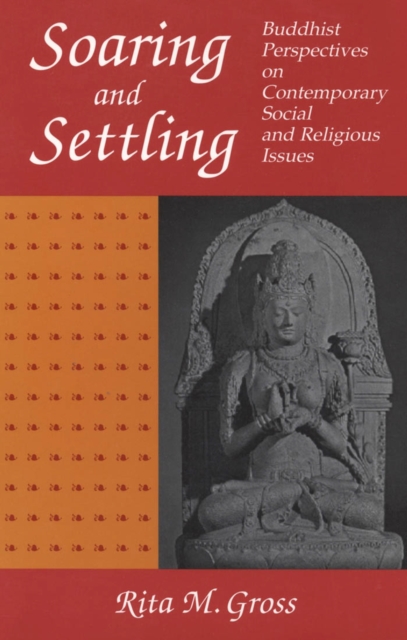
This collection of essays examines ten core themes from a comparative perspective and thus provides an integrated introduction to the social and spiritual values at the centre of Buddhist thought.
Encountering Buddhism in Twentieth-Century British and American Literature explores the ways in which 20th-century literature has been influenced by Buddhism, and has been, in turn, a major factor in bringing about Buddhism's increasing spread and influence in the West.
This fascinating and innovative book explores the relationship between the philosophical underpinnings of Advaita Vedanta, Zen Buddhism and the experiential journey of spiritual practitioners.
Encountering Buddhism in Twentieth-Century British and American Literature explores the ways in which 20th-century literature has been influenced by Buddhism, and has been, in turn, a major factor in bringing about Buddhism's increasing spread and influence in the West.
Such is the powerful simplicity of Buddhist teachings that a one-or-two-line quotation from a seminal Buddhist text can resonate throughout our days and nights.