Timothy Matovina, a leading speaker and expert on the growth of Hispanics in the Catholic Church in the United States, offers a timely and much-needed introduction to ministry with Hispanic Catholics.
With uncommon insight, The Sage's Way uses the tradition of Oriental wisdom to explore such common subjects as acceptance, patience, power, self, grace, grief and laughter.
Christopher Titmuss believes that the work of the great Buddhist writers can provide profound spiritual, religious, social, political and environmental insights.
An important manifesto on how we can change our world for the better from the unique mind of the Dalai Lama, penned by the internationally bestselling author of Emotional Intelligence
'It is not enough merely to espouse a noble vision, the Dalai Lama tells us – we need to move toward it.
In January 2000, two Ambassador taxis twisted their way up the narrow road leading towards Dharamsala in the Himalayan foothills of northern India - the home-in-exile of the Dalai Lama.
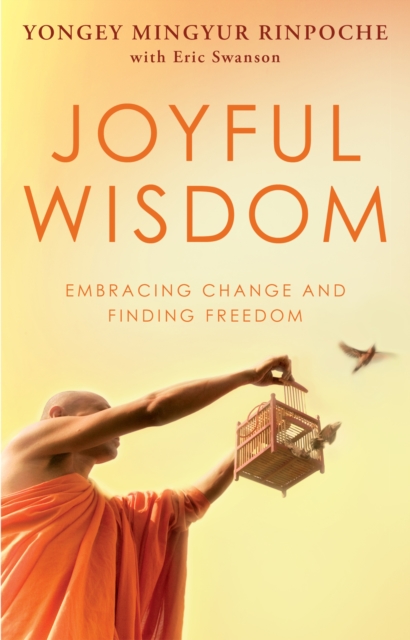
In this remarkable sequel to his book, The Joy of Living, Buddhist scholar and teacher Yongey Mingyur Rinpoche explores the role of positive thinking and how to overcome anxiety in everyday life.
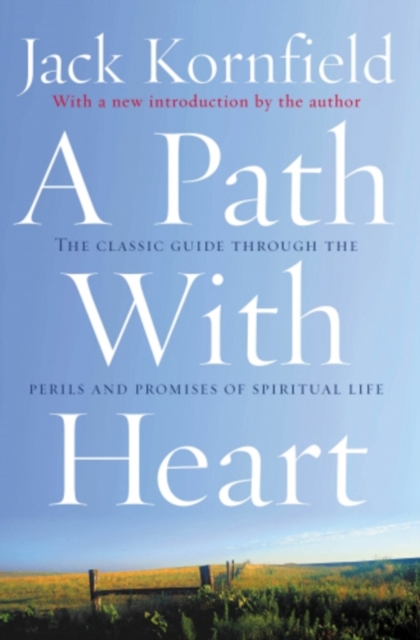
Perhaps the most important book yet written on meditation, the process of inner transformation, and the integration of spiritual practice into our Western way of life, A Path With Heart brings alive the possibilities of inner peace, wholeness and the achievement of happiness.
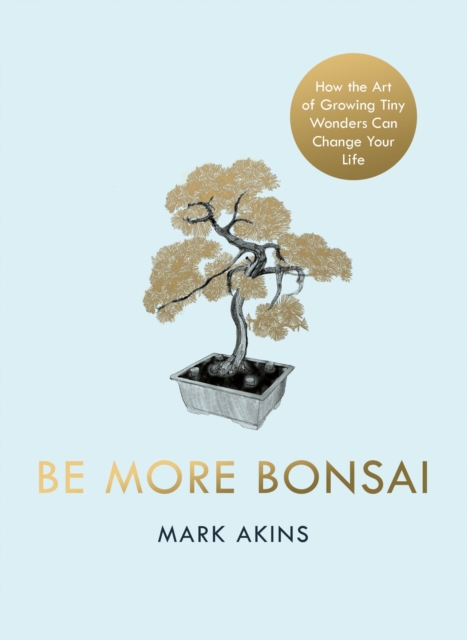
Cultivate a mindful new habit in 2023 with Be More Bonsai, and discover how the art of growing bonsai trees can lead to a happier, more mindful way of lifeAmid the chaos of modern life, the ancient art of tending to bonsai can bring calm and perspective.
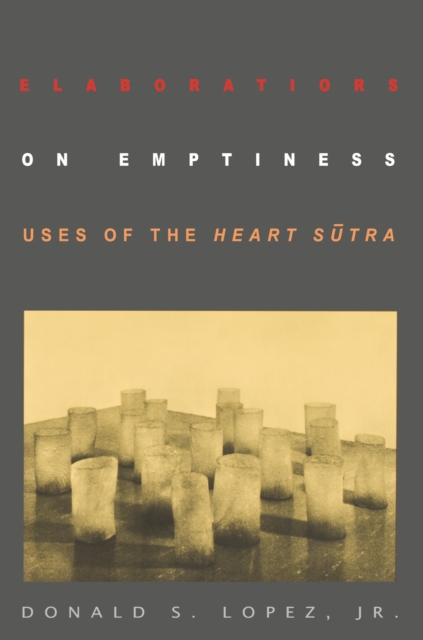
The Heart Sutra is perhaps the most famous Buddhist text, traditionally regarded as a potent expression of emptiness and of the Buddha's perfect wisdom.
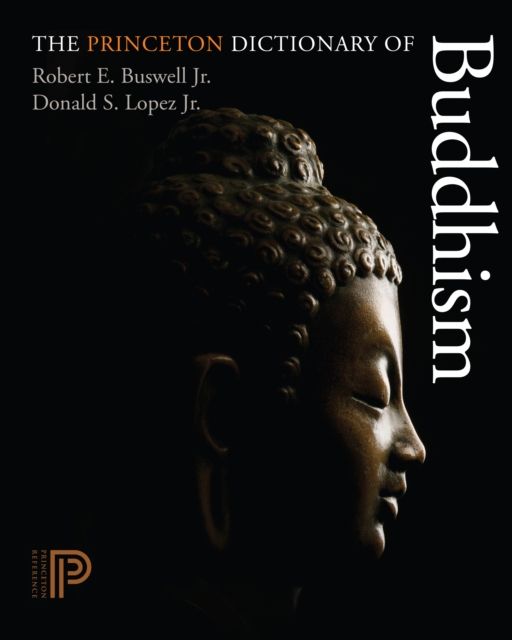
The most comprehensive and authoritative dictionary of Buddhism ever produced in EnglishWith more than 5,000 entries totaling over a million words, this is the most comprehensive and authoritative dictionary of Buddhism ever produced in English.
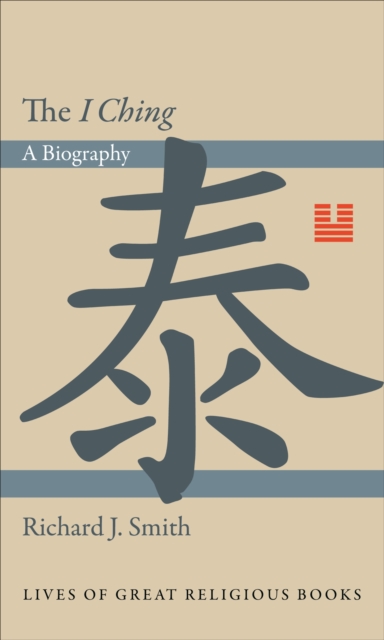
How the I Ching became one of the most widely read and influential books in the worldThe I Ching originated in China as a divination manual more than three thousand years ago.
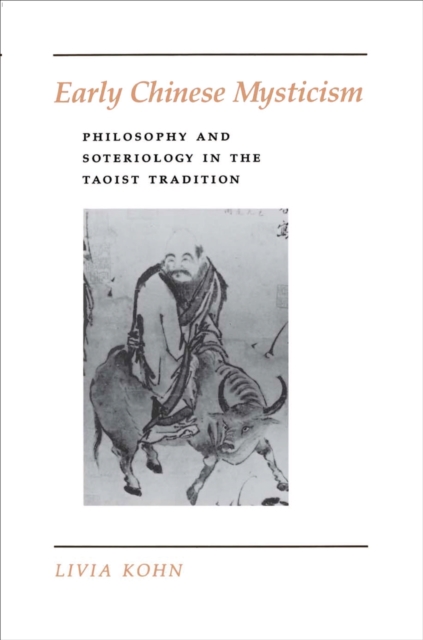
Did Chinese mysticism vanish after its first appearance in ancient Taoist philosophy, to surface only after a thousand years had passed, when the Chinese had adapted Buddhism to their own culture?
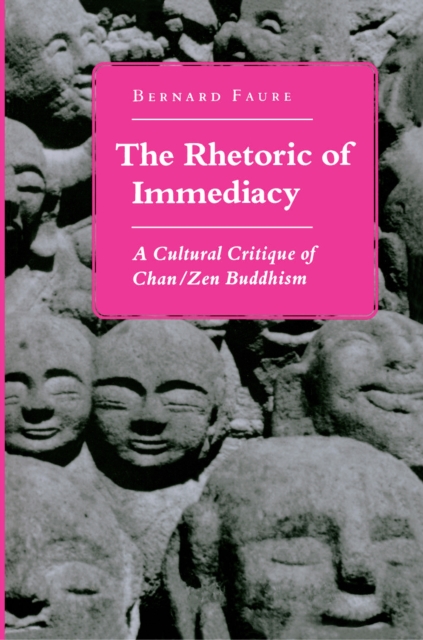
Through a highly sensitive exploration of key concepts and metaphors, Bernard Faure guides Western readers in appreciating some of the more elusive aspects of the Chinese tradition of Chan Buddhism and its outgrowth, Japanese Zen.
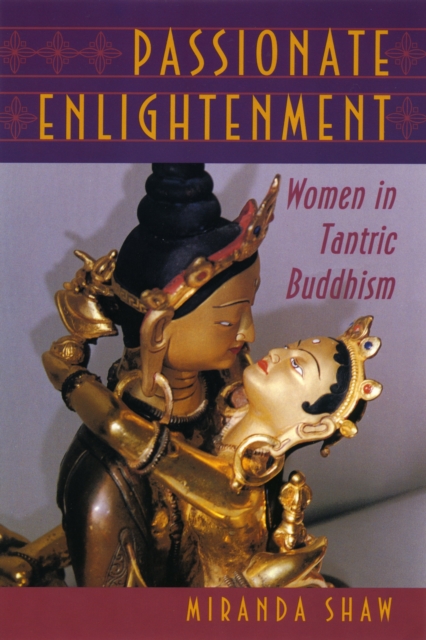
The crowning cultural achievement of medieval India, Tantric Buddhism is known in the West primarily for the sexual practices of its adherents, who strive to transform erotic passion into spiritual ecstasy.
"e;Becoming a Christian means being sick of your sin, longing for forgiveness and rescue from present evil and future hell, and affirming your commitment to the Lordship of Christ to the point where you are willing to forsake everything.