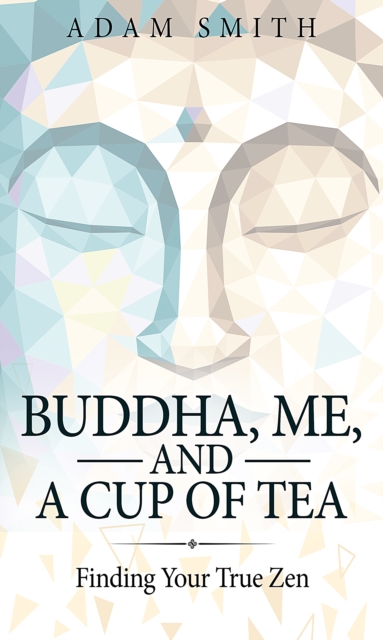
In Buddha, Me, and a Cup of Tea, Adam Smith helps you tame your fears with his step-by-step guides and personal examples of how to maintain a calm mind in anxious situations.
Lama Zopa Rinpoche gave some instructions regarding prostrations, including some changes to the preliminary holy name mantras, and also dictated a new meditation.
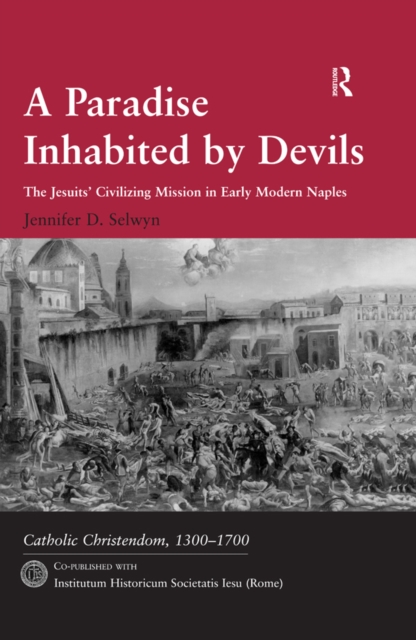
In recent years much scholarly attention has been focused on the encounter of cultures during the early modern period, and the global implications that such encounters held.
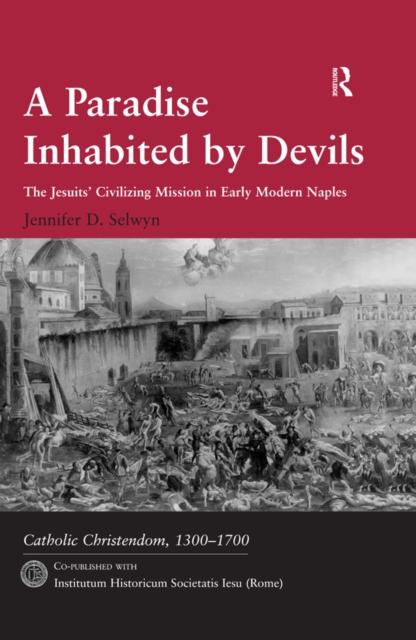
In recent years much scholarly attention has been focused on the encounter of cultures during the early modern period, and the global implications that such encounters held.
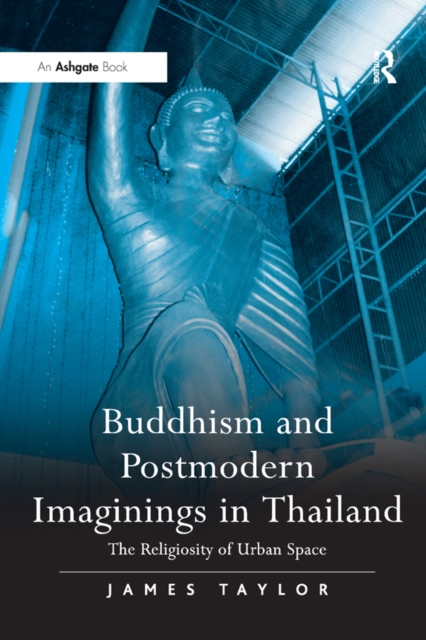
This book presents a rethink on the significance of Thai Buddhism in an increasingly complex and changing post-modern urban context, especially following the financial crisis of 1997.
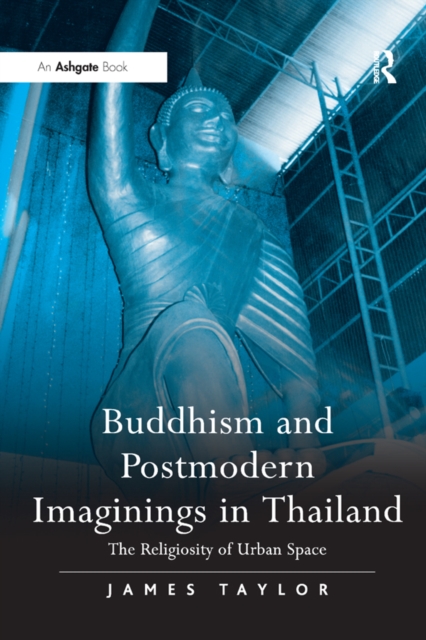
This book presents a rethink on the significance of Thai Buddhism in an increasingly complex and changing post-modern urban context, especially following the financial crisis of 1997.
Indian ethics is one of the great traditions of moral thought in world philosophy whose insights have influenced thinkers in early Greece, Europe, Asia, and the New World.
Indian ethics is one of the great traditions of moral thought in world philosophy whose insights have influenced thinkers in early Greece, Europe, Asia, and the New World.
Tantric Revisionings presents stimulating new perspectives on Hindu and Buddhist religion, particularly their Tantric versions, in India, Tibet or in modern Western societies.
Tantric Revisionings presents stimulating new perspectives on Hindu and Buddhist religion, particularly their Tantric versions, in India, Tibet or in modern Western societies.
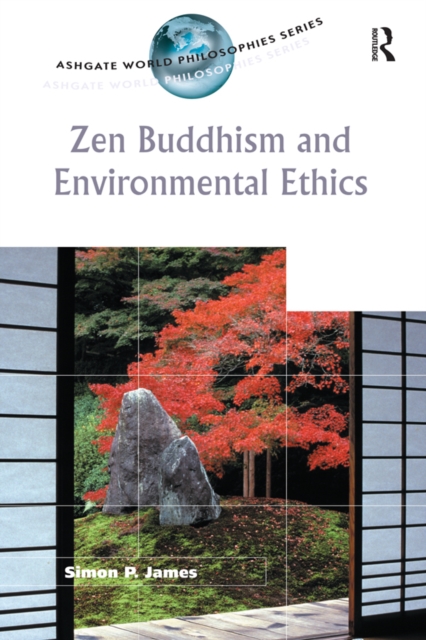
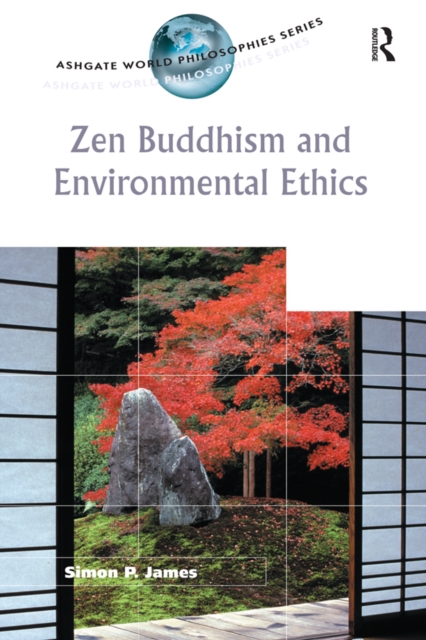
Zen Buddhism and Environmental Ethics explores the implications of Zen Buddhist teachings and practices for our moral relations with the natural world.
Zen Buddhism and Environmental Ethics explores the implications of Zen Buddhist teachings and practices for our moral relations with the natural world.
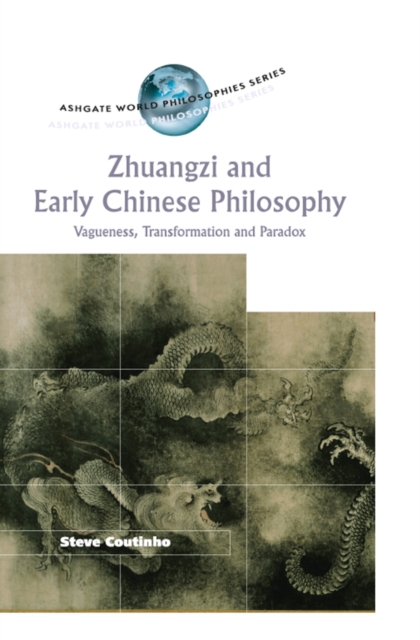
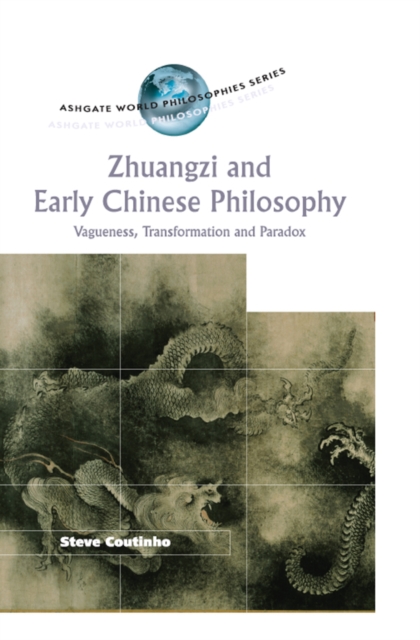
The Daoist philosopher Zhuangzi (also known as Chuang Tzu), along with Confucius, Lao Tzu, and the Buddha, ranks among the most influential thinkers in the development of East Asian thought.
The Daoist philosopher Zhuangzi (also known as Chuang Tzu), along with Confucius, Lao Tzu, and the Buddha, ranks among the most influential thinkers in the development of East Asian thought.
This title was first published in 2002: Religion and Social Transformations examines the reciprocal relationship between religion, modernity and social change.
This title was first published in 2002: Religion and Social Transformations examines the reciprocal relationship between religion, modernity and social change.
Interreligious Philosophical Dialogues, volume 3, provides a unique approach to the philosophy of religion, embracing a range of religious faiths and spiritualities.
Interreligious Philosophical Dialogues, volume 3, provides a unique approach to the philosophy of religion, embracing a range of religious faiths and spiritualities.
Based on detailed ethnographic research, this book explores the varied experiences of women who have converted to Buddhism in contemporary Britain and analyses the implications of their experiences for understanding the translation and transference of Buddhist practices temporally and geographically.
Based on detailed ethnographic research, this book explores the varied experiences of women who have converted to Buddhism in contemporary Britain and analyses the implications of their experiences for understanding the translation and transference of Buddhist practices temporally and geographically.
Though the people of Burma, now called Myanmar, are formally Buddhist, their folk religion a type of animism or supernaturalism is so unlike classical Buddhism that it seems contradictory.