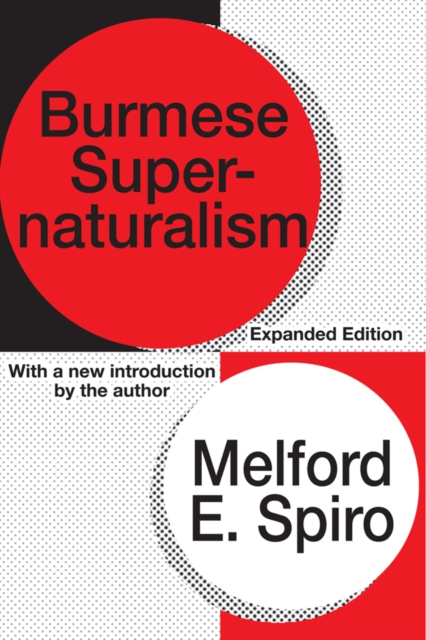
Though the people of Burma, now called Myanmar, are formally Buddhist, their folk religion a type of animism or supernaturalism is so unlike classical Buddhism that it seems contradictory.
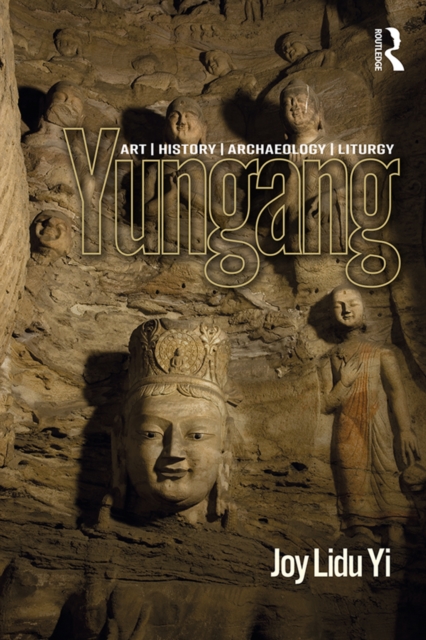
The first-ever comprehensive analysis of its kind in any western language, this unique volume provides a social art history of Yungang: a 5th-century rock-cut court cave complex, UNESCO World Heritage site, and one of the greatest Buddhist monuments of all time.
The first-ever comprehensive analysis of its kind in any western language, this unique volume provides a social art history of Yungang: a 5th-century rock-cut court cave complex, UNESCO World Heritage site, and one of the greatest Buddhist monuments of all time.
Nonviolent Political Economy offers a set of theoretical solutions and practical guidelines to build an economy of nonviolence which implies a social state of peacefulness, involving minimal violence and minimal destruction of nature.
Nonviolent Political Economy offers a set of theoretical solutions and practical guidelines to build an economy of nonviolence which implies a social state of peacefulness, involving minimal violence and minimal destruction of nature.
Traditional Chinese philosophy, if engaged at all, is often regarded as an object of antiquated curiosity and dismissed as unimportant in the current age of globalization.
Traditional Chinese philosophy, if engaged at all, is often regarded as an object of antiquated curiosity and dismissed as unimportant in the current age of globalization.
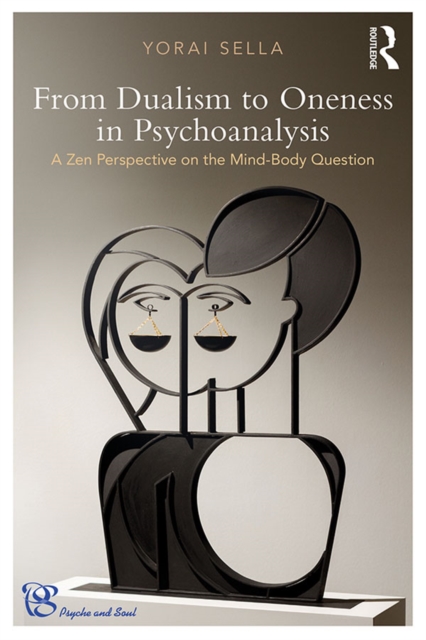
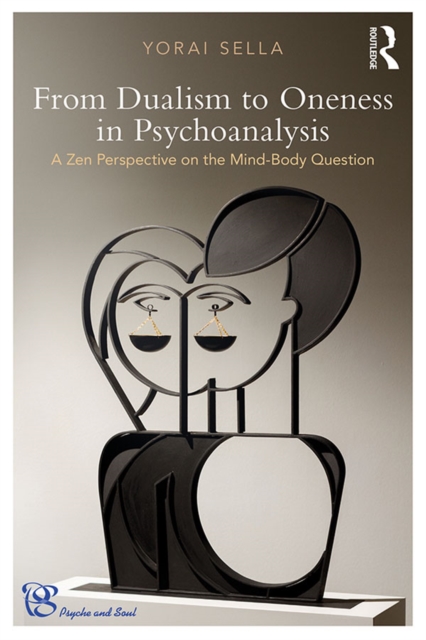
From Dualism to Oneness in Psychoanalysis: A Zen Perspective on the Mind-Body Question focuses on the shift in psychoanalytic thought, from a view of mind-body dualism to a contemporary non-dualistic perspective.
From Dualism to Oneness in Psychoanalysis: A Zen Perspective on the Mind-Body Question focuses on the shift in psychoanalytic thought, from a view of mind-body dualism to a contemporary non-dualistic perspective.
Nineteenth-century Sierra Leone presented a unique situation historically as the focal point of early abolitionist efforts, settlement within West Africa by westernized Africans, and a rapid demographic increase through the judicial emancipation of Liberated Africans.
Nineteenth-century Sierra Leone presented a unique situation historically as the focal point of early abolitionist efforts, settlement within West Africa by westernized Africans, and a rapid demographic increase through the judicial emancipation of Liberated Africans.
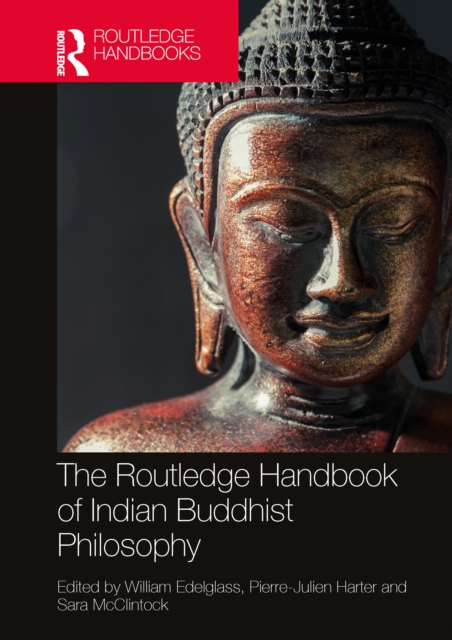
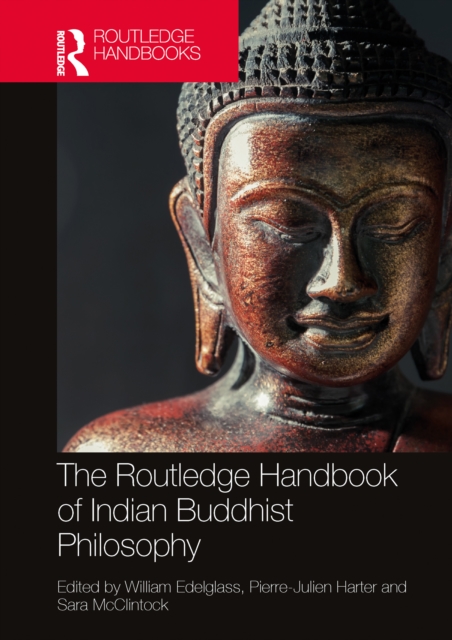
The Routledge Handbook of Indian Buddhist Philosophy is the first scholarly reference volume to highlight the diversity and individuality of a large number of the most influential philosophers to have contributed to the evolution of Buddhist thought in India.
The Routledge Handbook of Indian Buddhist Philosophy is the first scholarly reference volume to highlight the diversity and individuality of a large number of the most influential philosophers to have contributed to the evolution of Buddhist thought in India.
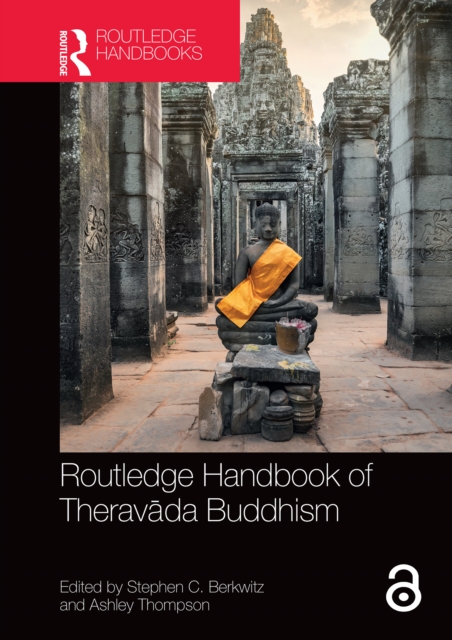
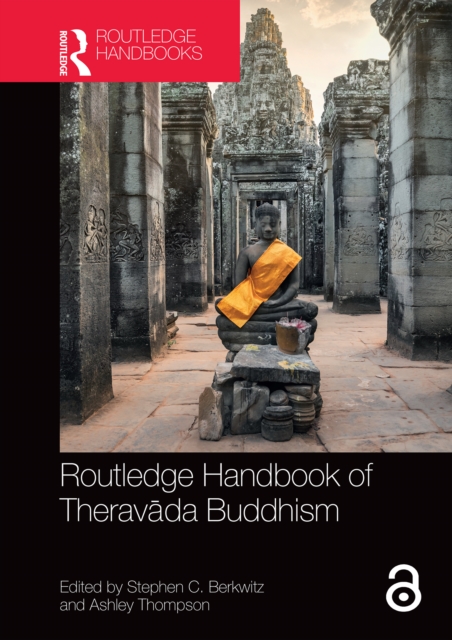
Among one of the older subfields in Buddhist Studies, the study of TheravA da Buddhism is undergoing a revival by contemporary scholars who are revising long-held conventional views of the tradition while undertaking new approaches and engaging new subject matter.
Among one of the older subfields in Buddhist Studies, the study of TheravA da Buddhism is undergoing a revival by contemporary scholars who are revising long-held conventional views of the tradition while undertaking new approaches and engaging new subject matter.
WINNER OF THE ACADEMIA SINICA SCHOLARLY MONOGRAPH AWARD 2024Yogacara and Tathagatagarbha are often regarded as antagonistic Indian Buddhist traditions.
WINNER OF THE ACADEMIA SINICA SCHOLARLY MONOGRAPH AWARD 2024Yogacara and Tathagatagarbha are often regarded as antagonistic Indian Buddhist traditions.