The study of religions is essential for understanding other cultures, building a sense of belonging in a multicultural world and fostering a global intercultural dialogue.
The study of religions is essential for understanding other cultures, building a sense of belonging in a multicultural world and fostering a global intercultural dialogue.
Vibrantly engaging contemporary Buddhist lives, this book focuses on the material and financial relations of contemporary monks, temples, and laypeople.
Vibrantly engaging contemporary Buddhist lives, this book focuses on the material and financial relations of contemporary monks, temples, and laypeople.
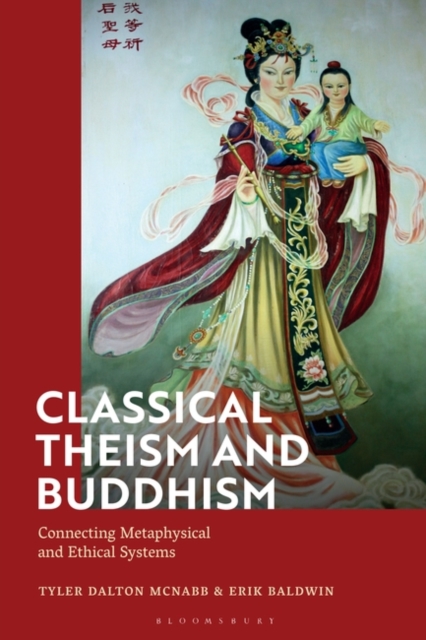
As an atheistic religious tradition, Buddhism conventionally stands in opposition to Christianity, and any bridge between them is considered to be riddled with contradictory beliefs on God the creator, salvific power and the afterlife.
As an atheistic religious tradition, Buddhism conventionally stands in opposition to Christianity, and any bridge between them is considered to be riddled with contradictory beliefs on God the creator, salvific power and the afterlife.
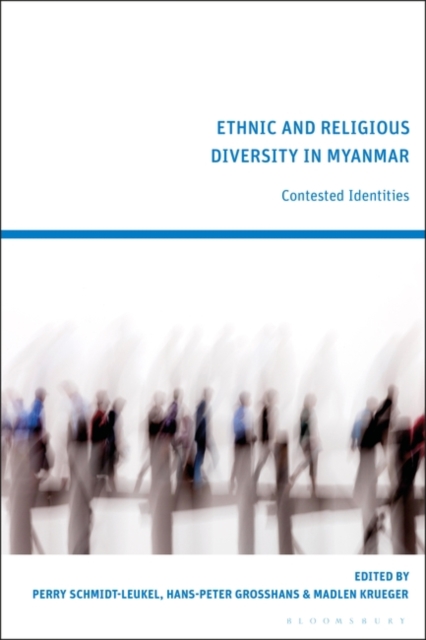
One of the most comprehensive volumes on Myanmar's identity politics to date, this book discusses the entanglement of ethnic and religious identities in Myanmar and the challenges presented by its extensive ethnic-religious diversity.
One of the most comprehensive volumes on Myanmar's identity politics to date, this book discusses the entanglement of ethnic and religious identities in Myanmar and the challenges presented by its extensive ethnic-religious diversity.
Engaging in existential discourse beyond the European tradition, this book turns to Asian philosophies to reassess vital questions of life's purpose, death's imminence, and our capacity for living meaningfully in conditions of uncertainty.
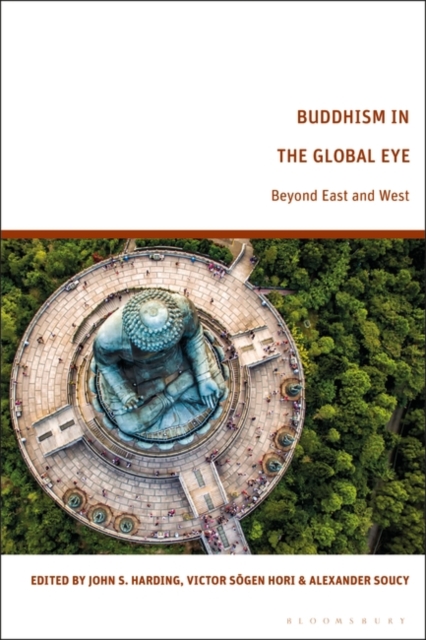
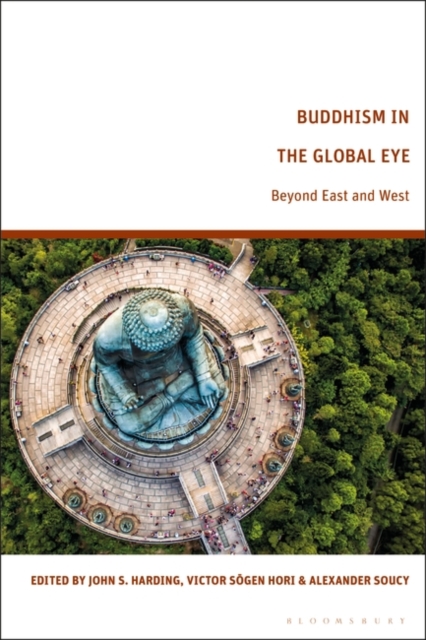
Buddhism in the Global Eye focuses on the importance of a global context and transnational connections for understanding Buddhist modernizing movements.
Buddhism in the Global Eye focuses on the importance of a global context and transnational connections for understanding Buddhist modernizing movements.
Engaging in existential discourse beyond the European tradition, this book turns to Asian philosophies to reassess vital questions of life's purpose, death's imminence, and our capacity for living meaningfully in conditions of uncertainty.
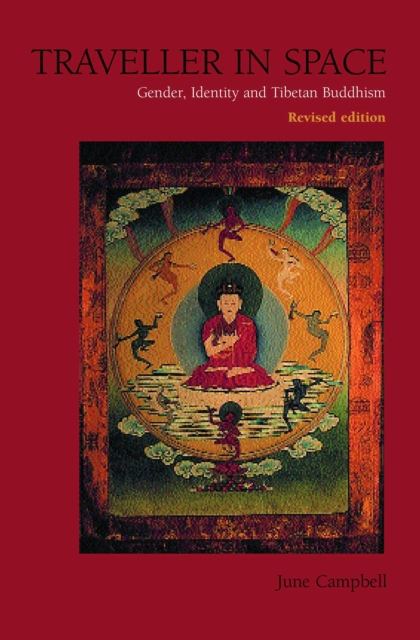
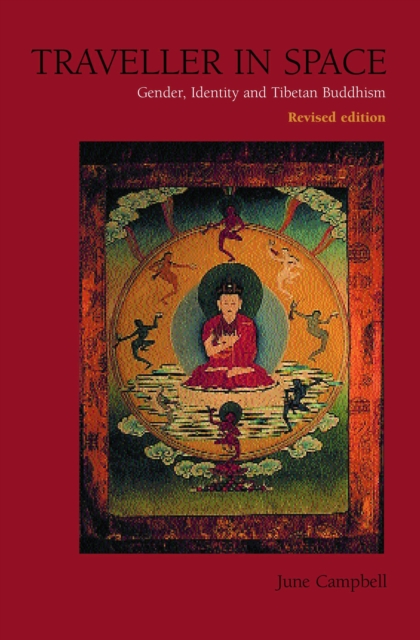
In this revised edition of June Campbell's ground-breaking and ambitious work, many of the key issues concerning gender, identity and Tibetan Buddhism, are now broadened and further clarified in order to create a better understanding of the historical importance of gender symbolisation in the very construction of religious belief and philosophy.
In this revised edition of June Campbell's ground-breaking and ambitious work, many of the key issues concerning gender, identity and Tibetan Buddhism, are now broadened and further clarified in order to create a better understanding of the historical importance of gender symbolisation in the very construction of religious belief and philosophy.
Drawing on primary sources in Pali, Burmese and Thai, practising monk Venerable Khammai Dhammasami guides the reader through the complex history of monastic education in two neighbouring countries with very different Buddhist societies: Burma and Thailand.
Drawing on primary sources in Pali, Burmese and Thai, practising monk Venerable Khammai Dhammasami guides the reader through the complex history of monastic education in two neighbouring countries with very different Buddhist societies: Burma and Thailand.
Both a demonstration of and critical self-reflection on method, this book explores how methodologies shape our understanding of the diversity of Buddhist traditions in the past and the present.
Both a demonstration of and critical self-reflection on method, this book explores how methodologies shape our understanding of the diversity of Buddhist traditions in the past and the present.
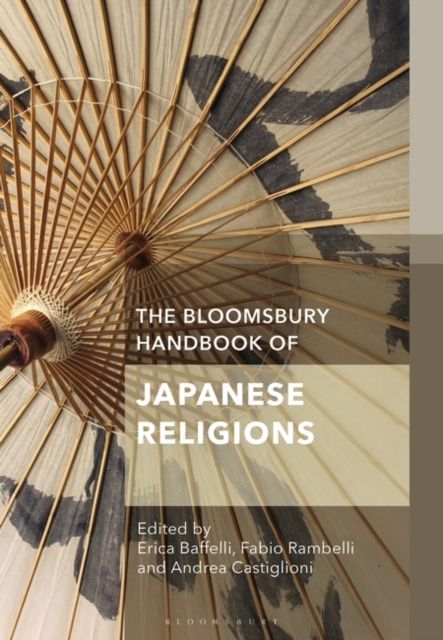
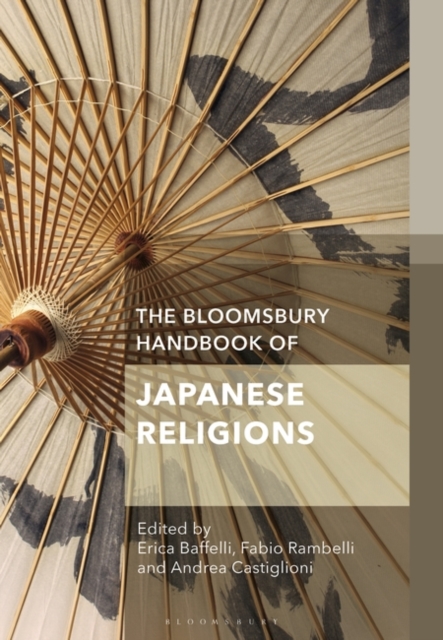
Providing an overview of current cutting-edge research in the field of Japanese religions, this Handbook is the most up-to-date guide to contemporary scholarship in the field.
Providing an overview of current cutting-edge research in the field of Japanese religions, this Handbook is the most up-to-date guide to contemporary scholarship in the field.
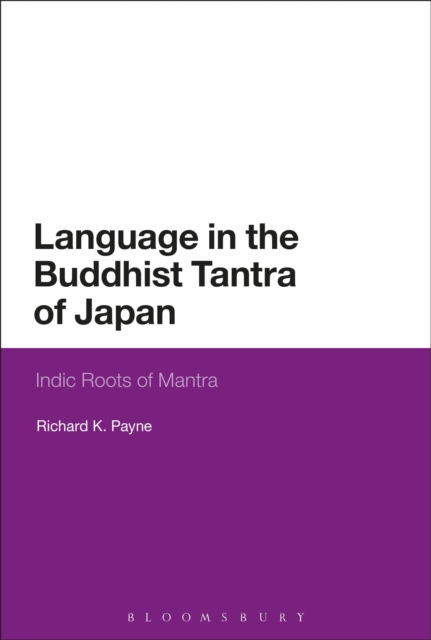
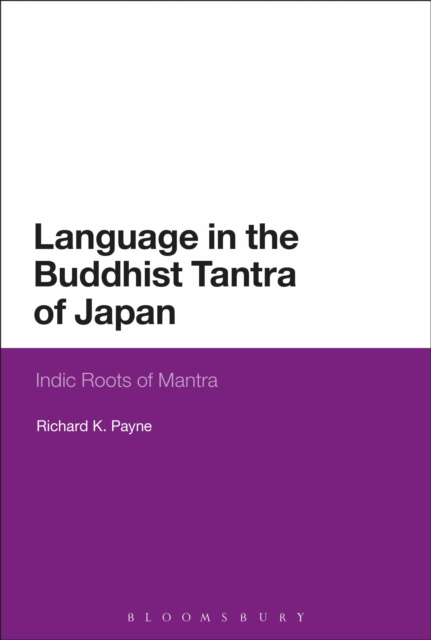
Language in the Buddhist Tantra of Japan dismantles the preconception that Buddhism is a religion of mystical silence, arguing that language is in fact central to the Buddhist tradition.
Language in the Buddhist Tantra of Japan dismantles the preconception that Buddhism is a religion of mystical silence, arguing that language is in fact central to the Buddhist tradition.
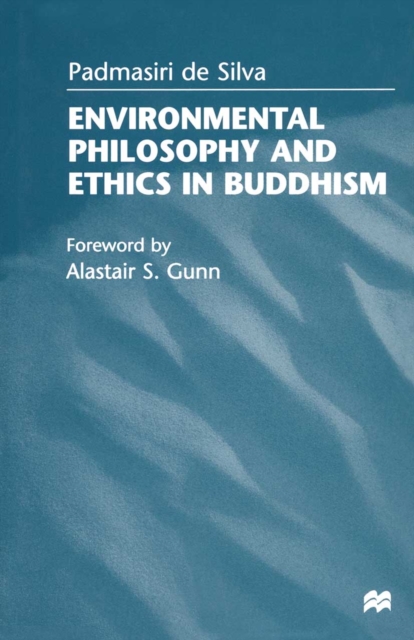
This work introduces the reader to the central issues and theories in western environmental ethics, and against this background develops a Buddhist environmental philosophy and code of ethics.
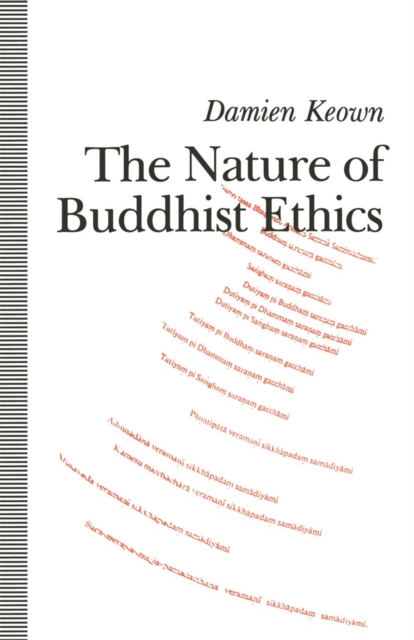
In this book the author considers data from both early and later schools of Buddhism in an attempt to provide an overall characterization of the structure of Buddhist ethics.
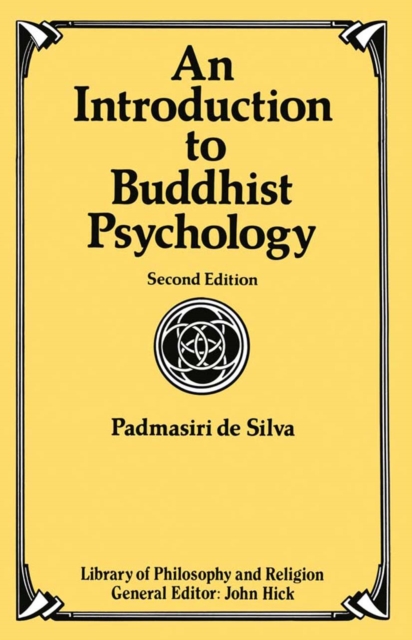
An introduction to the foundations of Buddhist psychology, this book deals with the nature of psychological inquiry, concepts of mind, conciousness and behaviour, emotions and personality, motivation and the therapeutic structures of Buddhist psychology.