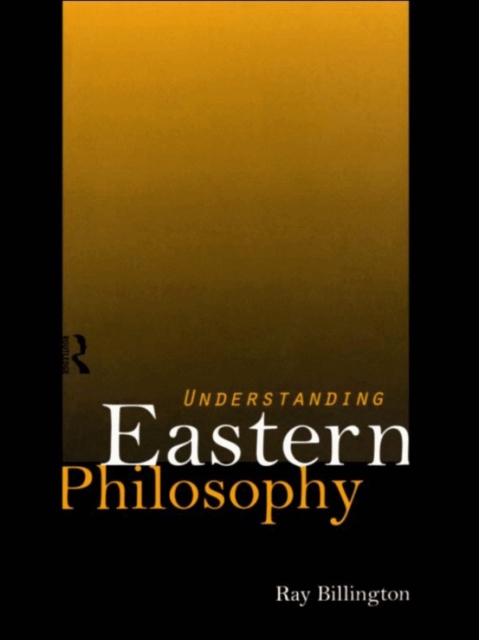
Understanding Eastern Philosophy provides an accessible critical introduction to how some of the key philosophies of the East compare with those in the West.
Understanding Eastern Philosophy provides an accessible critical introduction to how some of the key philosophies of the East compare with those in the West.
Through key readings from primary and secondary sources this book communicates at first hand the principal features of a remarkable range of Eastern thought - from Buddhism, Confucianism, and Hinduism to Islam, Shinto, and Zoroastrianism.
Through key readings from primary and secondary sources this book communicates at first hand the principal features of a remarkable range of Eastern thought - from Buddhism, Confucianism, and Hinduism to Islam, Shinto, and Zoroastrianism.
Close analysis of the work of fifty major thinkers in the field of Eastern philosophy make this an excellent introduction to a fascinating area of study.
Close analysis of the work of fifty major thinkers in the field of Eastern philosophy make this an excellent introduction to a fascinating area of study.
Contextualising the seemingly esoteric and exotic aspects of Tibetan Buddhist culture within the everyday, embodied and sensual sphere of religious praxis, this book centres on the social and religious lives of deceased Tibetan Buddhist lamas.
Contextualising the seemingly esoteric and exotic aspects of Tibetan Buddhist culture within the everyday, embodied and sensual sphere of religious praxis, this book centres on the social and religious lives of deceased Tibetan Buddhist lamas.
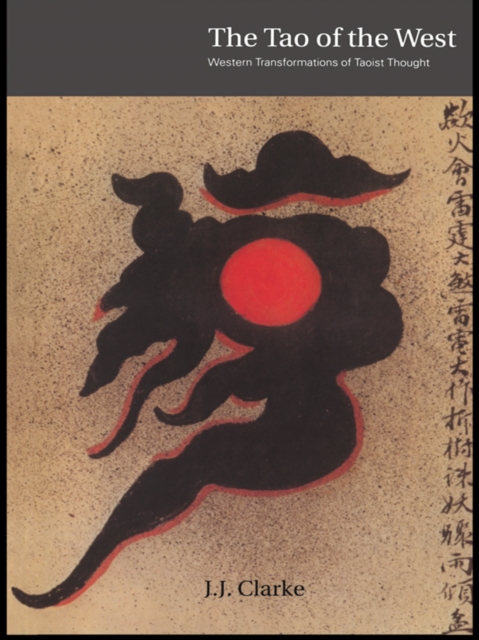
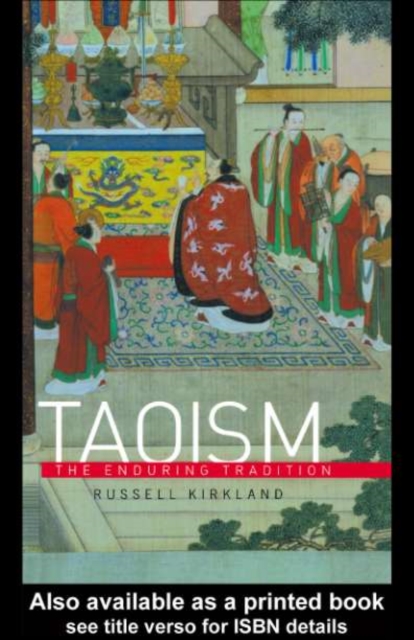
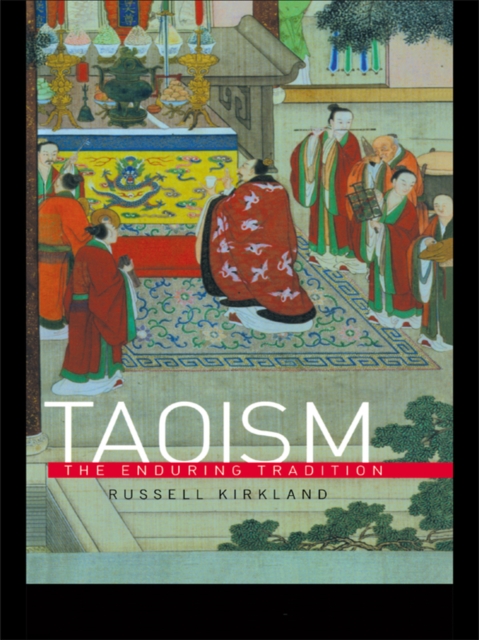
This clear and reliable introduction to Taoism (also known as Daoism) brings a fresh dimension to a tradition that has found a natural place in Western society.
This clear and reliable introduction to Taoism (also known as Daoism) brings a fresh dimension to a tradition that has found a natural place in Western society.
After a brief historical survey, the doctrines of dharma and karma are discussed and key elements that appear in contrasting forms in the two religions are examined.
After a brief historical survey, the doctrines of dharma and karma are discussed and key elements that appear in contrasting forms in the two religions are examined.
The author of this volume, an accomplished philologist, historian and philosopher, analyzes the relevant earlier and later texts and traces the epistemological foundations of Pali canonical thought from the Vedic period onwards.
The author of this volume, an accomplished philologist, historian and philosopher, analyzes the relevant earlier and later texts and traces the epistemological foundations of Pali canonical thought from the Vedic period onwards.
A clear and straightforward introduction to Tibetan Buddhism, this book presents the basic teachings of Buddha in a way that people can readily comprehend and put into practice in their daily lives.
A clear and straightforward introduction to Tibetan Buddhism, this book presents the basic teachings of Buddha in a way that people can readily comprehend and put into practice in their daily lives.
This book draws on Daoist yin/yang dialectics to move world politics from the current stasis of hegemony, hierarchy, and violence to a more balanced engagement with parity, fluidity, and ethics.
This book draws on Daoist yin/yang dialectics to move world politics from the current stasis of hegemony, hierarchy, and violence to a more balanced engagement with parity, fluidity, and ethics.
Mind, Brain and the Path to Happiness presents a contemporary account of traditional Buddhist mind training and the pursuit of wellbeing and happiness in the context of the latest research in psychology and the neuroscience of meditation.