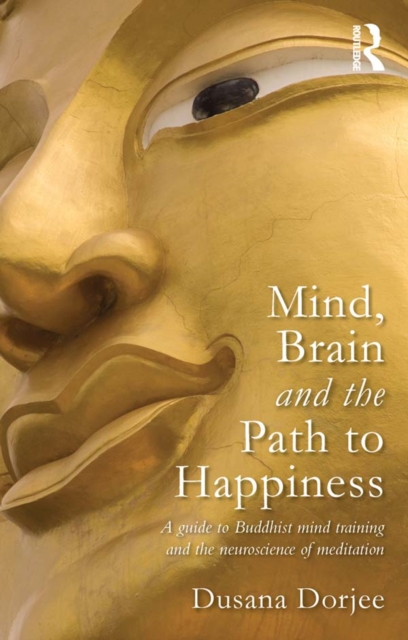
Mind, Brain and the Path to Happiness presents a contemporary account of traditional Buddhist mind training and the pursuit of wellbeing and happiness in the context of the latest research in psychology and the neuroscience of meditation.
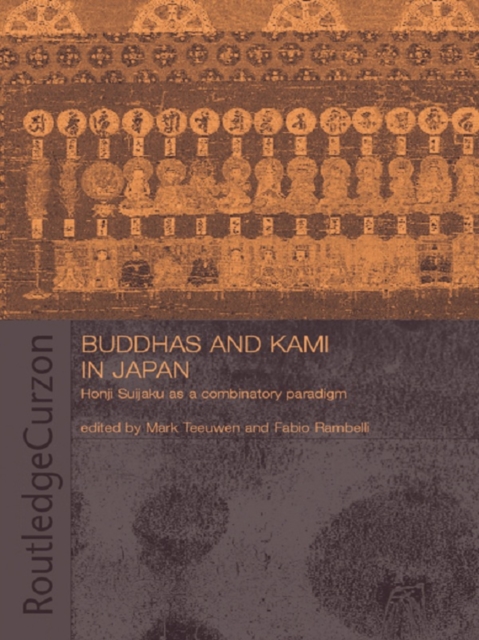
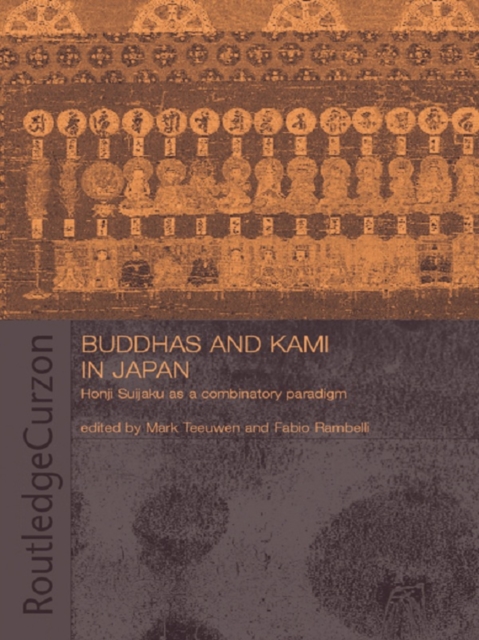
This volume offers a multidisciplinary approach to the combinatory tradition that dominated premodern and early modern Japanese religion, known as honji suijaku (originals and their traces).
This volume offers a multidisciplinary approach to the combinatory tradition that dominated premodern and early modern Japanese religion, known as honji suijaku (originals and their traces).
The essays in this volume attempt to place the Chan and Zen tradition in their ritual and cultural contexts, looking at various aspects heretofore largely (and unduly) ignored.
The essays in this volume attempt to place the Chan and Zen tradition in their ritual and cultural contexts, looking at various aspects heretofore largely (and unduly) ignored.
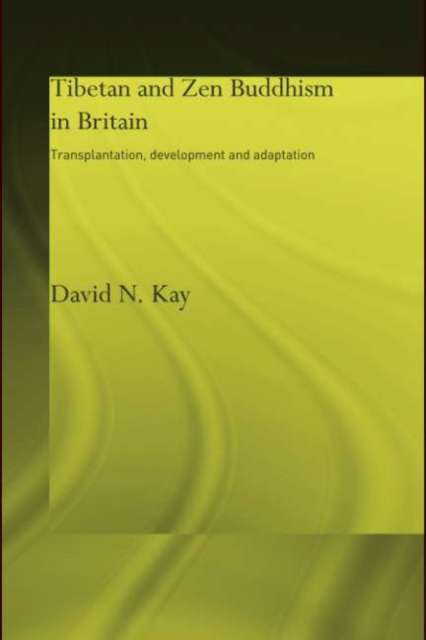
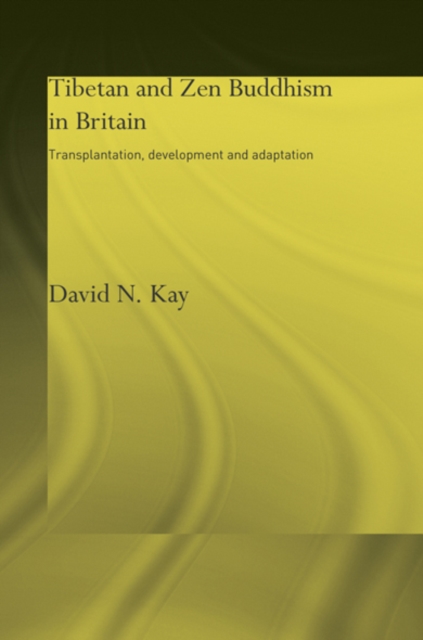
This book analyses the transplantation, development and adaptation of the two largest Tibetan and Zen Buddhist organizations currently active on the British religious landscape: the New Kadampa Tradition (NKT) and the Order of Buddhist Contemplatives (OBC).
This book analyses the transplantation, development and adaptation of the two largest Tibetan and Zen Buddhist organizations currently active on the British religious landscape: the New Kadampa Tradition (NKT) and the Order of Buddhist Contemplatives (OBC).
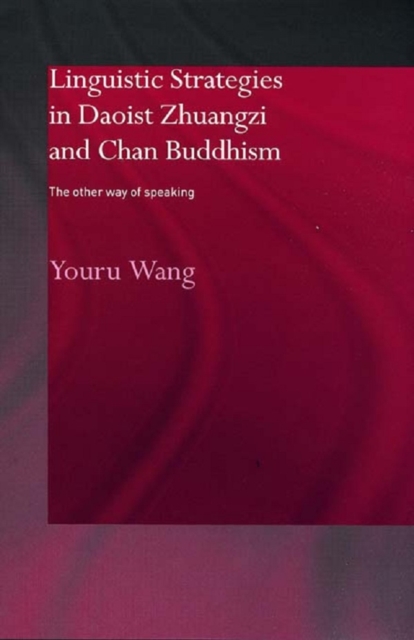
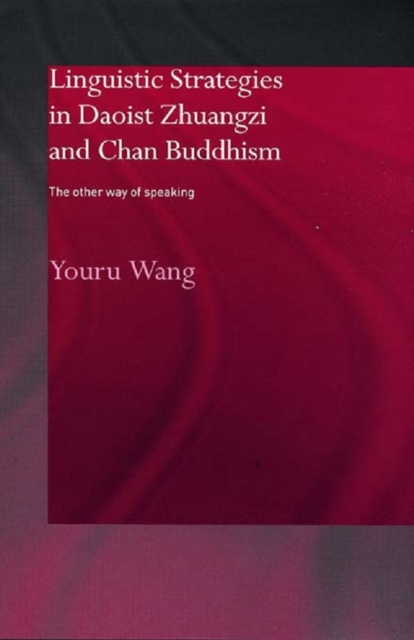
As the first systematic attempt to probe the linguistic strategies of Daoist Zhuangzi and Chan Buddhism, this book investigates three areas: deconstructive strategy, liminology of language, and indirect communication.
As the first systematic attempt to probe the linguistic strategies of Daoist Zhuangzi and Chan Buddhism, this book investigates three areas: deconstructive strategy, liminology of language, and indirect communication.
This is the story of fifth century CE India, when the Yogacarin Buddhists tested the awareness of unawareness, and became aware of human unawareness to an extraordinary degree.
This is the story of fifth century CE India, when the Yogacarin Buddhists tested the awareness of unawareness, and became aware of human unawareness to an extraordinary degree.
Shinto - A Short History provides an introductory outline of the historical development of Shinto from the ancient period of Japanese history until the present day.
Shinto - A Short History provides an introductory outline of the historical development of Shinto from the ancient period of Japanese history until the present day.
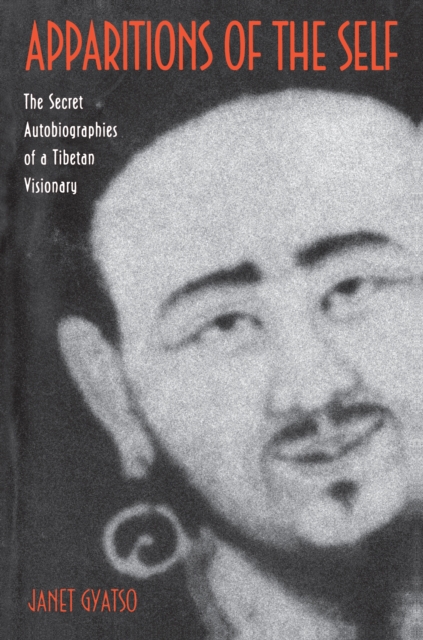
Apparitions of the Self is a groundbreaking investigation into what is known in Tibet as "e;secret autobiography,"e; an exceptional, rarely studied literary genre that presents a personal exploration of intimate religious experiences.
How do contemporary Westerners and Tibetans understand not only what it means to be 'Buddhist', but what it means to be hailed as one from 'the West' or from 'Tibet'?
How do contemporary Westerners and Tibetans understand not only what it means to be 'Buddhist', but what it means to be hailed as one from 'the West' or from 'Tibet'?
Guang Xing gives an analysis of one of the fundamental Mahayana Buddhist teachings, namely the three bodies of the Buddha (the trikaya Theory), which is considered the foundation of Mahayana philosophy.
Guang Xing gives an analysis of one of the fundamental Mahayana Buddhist teachings, namely the three bodies of the Buddha (the trikaya Theory), which is considered the foundation of Mahayana philosophy.
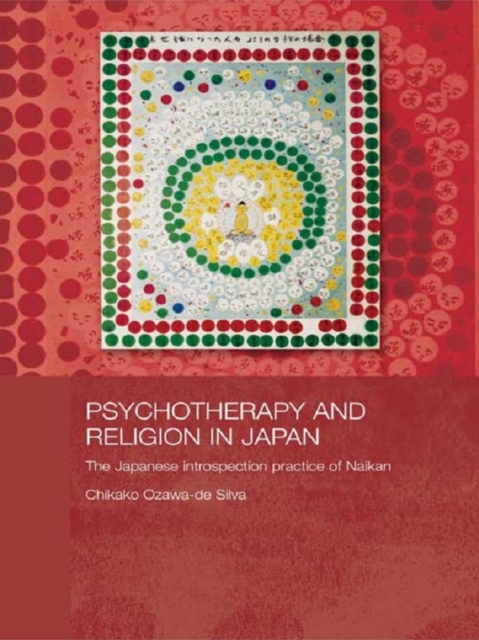
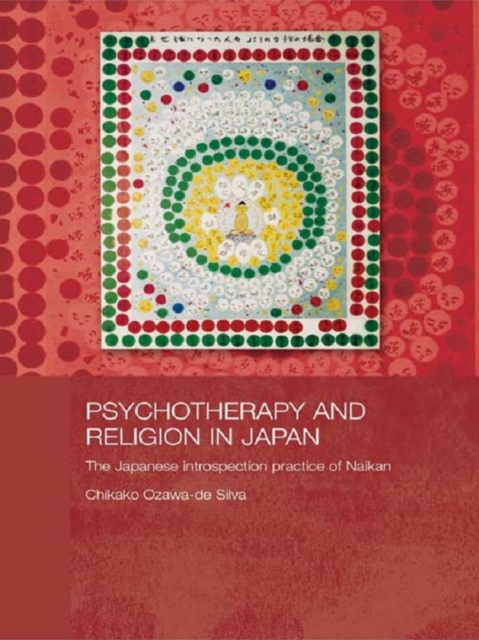
Naikan is a Japanese psychotherapeutic method which combines meditation-like body engagement with the recovery of memory and the reconstruction of one's autobiography in order to bring about healing and a changed notion of the self.
Naikan is a Japanese psychotherapeutic method which combines meditation-like body engagement with the recovery of memory and the reconstruction of one's autobiography in order to bring about healing and a changed notion of the self.
One prevalent socio-cultural structure that is peculiar to South Asia is caste, which is broadly understood in socio-anthropological terms as an institution of ranked, hereditary and occupational groups.
One prevalent socio-cultural structure that is peculiar to South Asia is caste, which is broadly understood in socio-anthropological terms as an institution of ranked, hereditary and occupational groups.
Early Buddhist Metaphysics provides a philosophical account of the major doctrinal shift in the history of early Theravada tradition in India: the transition from the earliest stratum of Buddhist thought to the systematic and allegedly scholastic philosophy of the Pali Abhidhamma movement.
Early Buddhist Metaphysics provides a philosophical account of the major doctrinal shift in the history of early Theravada tradition in India: the transition from the earliest stratum of Buddhist thought to the systematic and allegedly scholastic philosophy of the Pali Abhidhamma movement.
This important text analyzes the moral theory of the seventh century Indian Mahayana master, Santideva, author of the well-known religious poem, the Bodhicaryavatara (Entering the Path of Enlightenment) as well as the significant, but relatively overlooked, Siksasamuccaya (Compendium of Teachings).
This important text analyzes the moral theory of the seventh century Indian Mahayana master, Santideva, author of the well-known religious poem, the Bodhicaryavatara (Entering the Path of Enlightenment) as well as the significant, but relatively overlooked, Siksasamuccaya (Compendium of Teachings).
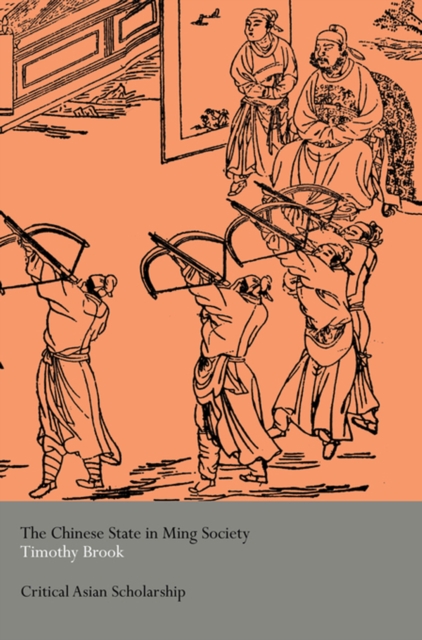
The Ming dynasty (1368-1644), a period of commercial expansion and cultural innovation, fashioned the relationship between state and society in Chinese history.
The Ming dynasty (1368-1644), a period of commercial expansion and cultural innovation, fashioned the relationship between state and society in Chinese history.
'To read it is like seeing the scenes described' Evening Standard'One of the world's best travel books' Spectator 'The work remains a classic worthy of reproduction' The Times Published to critical acclaim and well known for many years afterwards this account of the journey across Mongolia to Lhasa in the early nineteenth century owes much of its success to the literary skills of its authors, made available in English for the first time by William Hazlitt and Paul Pelliot.
'To read it is like seeing the scenes described' Evening Standard'One of the world's best travel books' Spectator 'The work remains a classic worthy of reproduction' The Times Published to critical acclaim and well known for many years afterwards this account of the journey across Mongolia to Lhasa in the early nineteenth century owes much of its success to the literary skills of its authors, made available in English for the first time by William Hazlitt and Paul Pelliot.