In the past two decades, scholars have transformed our understanding of the interactions between India and the West since the consolidation of British power on the subcontinent around 1800.
At a time when secularism is put forward as the answer to religious fundamentalism and violence, Secularisms offers a powerful, multivoiced critique of the narrative equating secularism with modernity, reason, freedom, peace, and progress.
In Arguing Sainthood, Katherine Pratt Ewing examines Sufi religious meanings and practices in Pakistan and their relation to the Westernizing influences of modernity and the shaping of the postcolonial self.
In The Cow in the Elevator Tulasi Srinivas explores a wonderful world where deities jump fences and priests ride in helicopters to present a joyful, imaginative, yet critical reading of modern religious life.
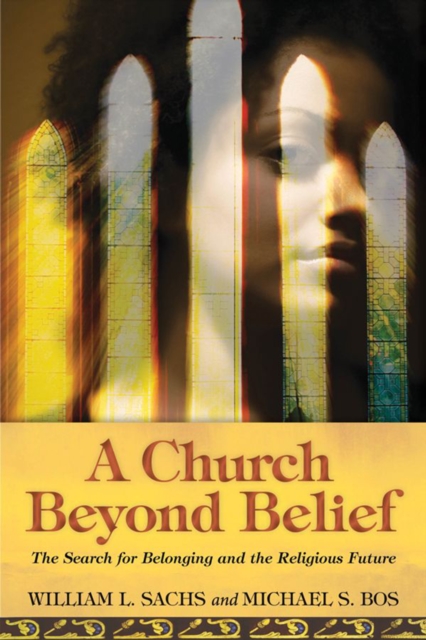
Addresses "e;belonging before believing"e; and other new patterns for remaking congregationsAs we move beyond the "e;emergent"e; or "e;missional"e; church paradigm, pastors and other church leaders are discovering a new reality: people (especially younger generations) are coming to church not as believers, but to find a place to belong-with or without faith.
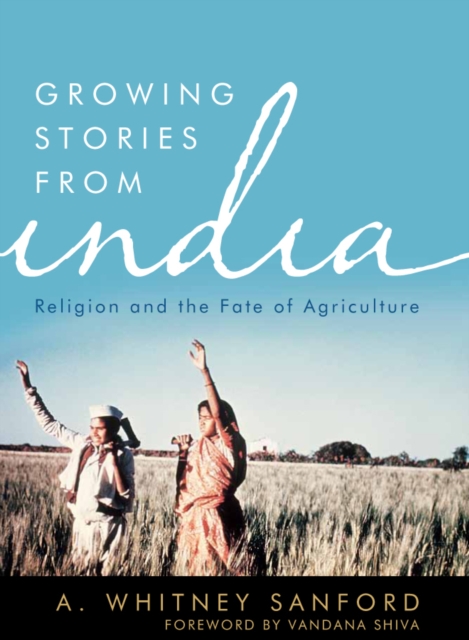
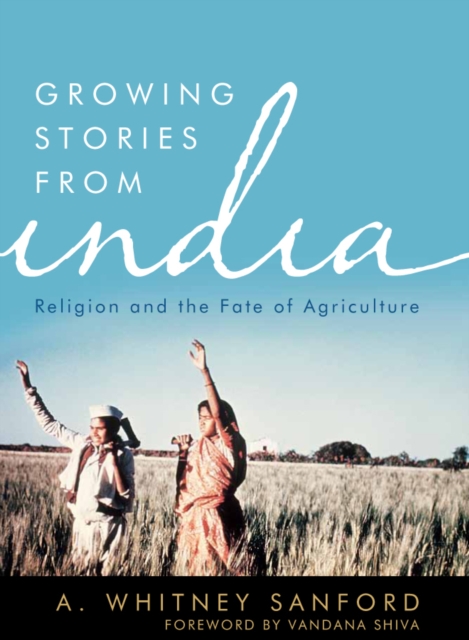
The costs of industrial agriculture are astonishing in terms of damage to the environment, human health, animal suffering, and social equity, and the situation demands that we expand our ecological imagination to meet this crisis.
The costs of industrial agriculture are astonishing in terms of damage to the environment, human health, animal suffering, and social equity, and the situation demands that we expand our ecological imagination to meet this crisis.
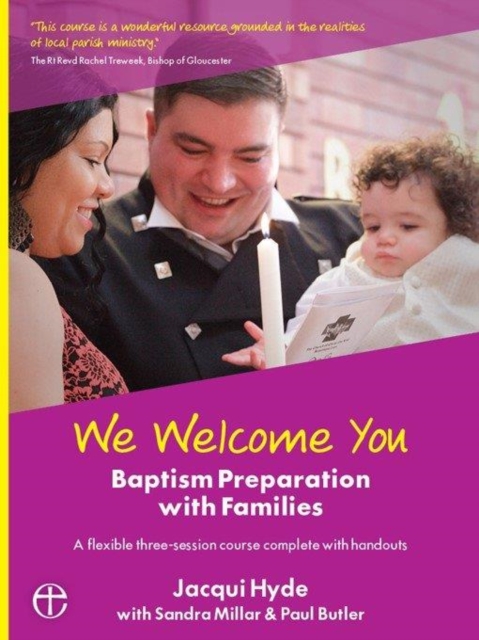
This helpful resource provides a ready-made three-part course for parents and godparents bringing children for baptism and offers resources for the church family to understand its key role in baptism and the best welcome possible.
Pilgrim is a teaching and discipleship resource from the Church of England that helps enquirers and new Christians explore what it means to travel through life with Jesus Christ.
This landmark study is the result of a three year project by the Mission and Public Affairs Division of the Archbishops' Council to 'develop a new, better, narrative of mission' for the church.
Christians are increasingly seeking new ways of doing church, often called 'fresh expressions', which has created new questions and challenges for the Church as a whole.
This new translation of The Upanishads is at once delightfully simple and rigorously learned, providing today’s readers with an accurate, accessible rendering of the core work of ancient Indian philosophy.
A monumental intellectual history of the pivotal figure of Hindu nationalismVinayak Damodar Savarkar (18831966) was an intellectual, ideologue, and anticolonial nationalist leader in India's struggle for independence from British colonial rule, one whose anti-Muslim writings exploited India's tensions in pursuit of Hindu majority rule.
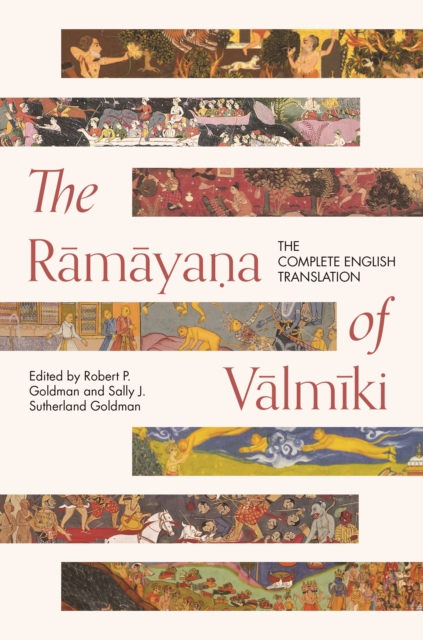
The definitive English translation of the classic Sanskrit epic poem-now available in a one-volume paperbackThe Ramayana of Valmiki, the monumental Sanskrit epic of the life of Rama, ideal man and incarnation of the great god Visnu, has profoundly affected the literature, art, religions, and cultures of South and Southeast Asia from antiquity to the present.
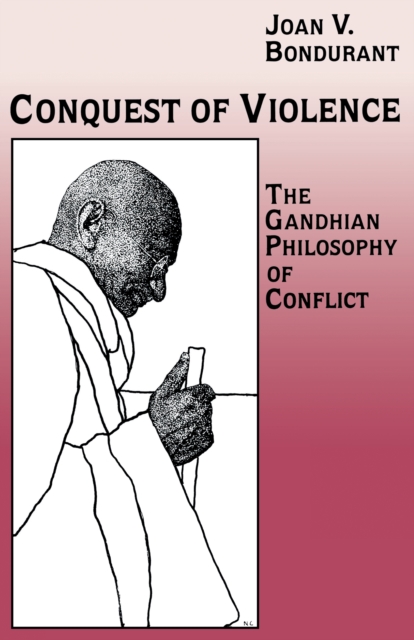
When Mahatma Gandhi died in 1948 by an assassin's bullet, the most potent legacy he left to the world was the technique of satyagraha (literally, holding on to the Truth).
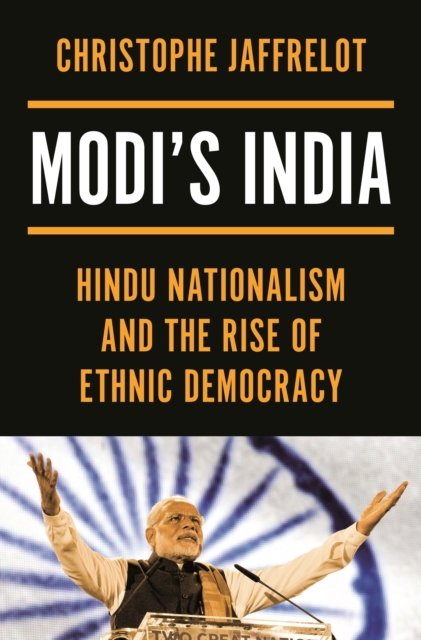
A riveting account of how a popularly elected leader has steered the world's largest democracy toward authoritarianism and intoleranceOver the past two decades, thanks to Narendra Modi, Hindu nationalism has been coupled with a form of national-populism that has ensured its success at the polls, first in Gujarat and then in India at large.
The inaugural volume of Princeton Readings in Religions brings together the work of thirty scholars of the religions of India in a new anthology designed to reshape the ways in which the religious traditions of India are understood.
A landmark work that demystifies the rich tradition of Indian art, Myths and Symbols in Indian Art and Civilization analyzes key motifs found in legend, myth, and folklore taken directly from the Sanskrit.
In Hindu Dharma: Introduction to Scriptures and Theology briefly the essentials of the scriptures of the Hindu Dharma such as the Vedas, the Upanishads, the Smriti Shstras like the Purnas, the Tantras, the epics (Rmyana and Mahbhrata) and the Bhagavad Git have been described and discussed.
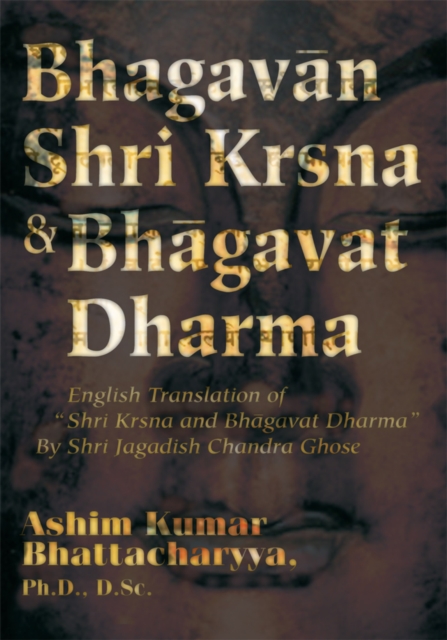
Shri Krsna and Bhgavat Dharma by Shri Jagadish Chandra Ghose written in Bengali discusses the teachings of Shri Krsna with quotes from various books of Shstras.
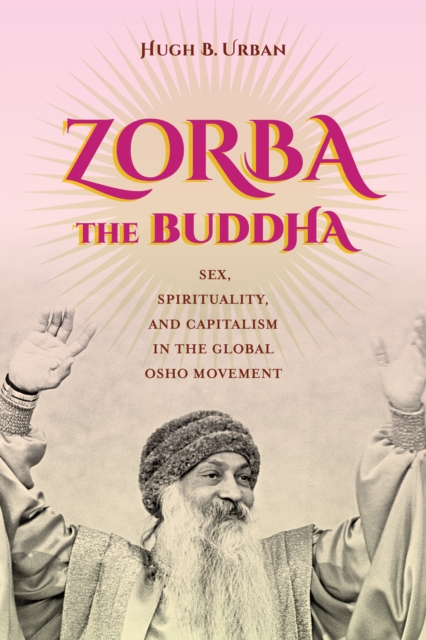
Zorba the Buddha is the first comprehensive study of the life, teachings, and following of the controversial Indian guru known in his youth as Bhagwan Shree Rajneesh and in his later years as Osho (19311990).
At the turn of the twelfth-century into the thirteenth, at the court of King Laksmanasena of Bengal, Sanskrit poetry showed profound and sudden changes: a new social scope made its definitive entrance into high literature.
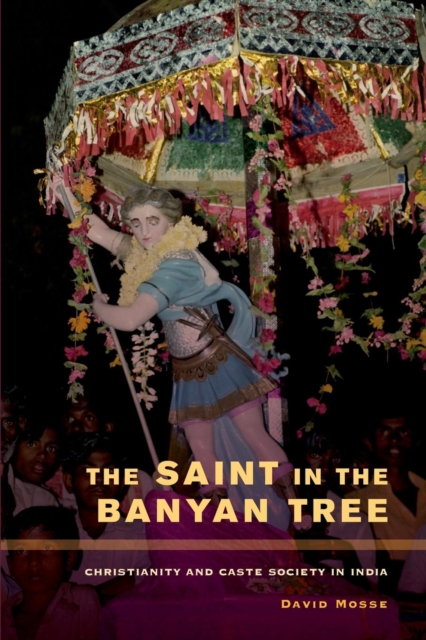
The Saint in the Banyan Tree is a nuanced and historically persuasive exploration of Christianity's remarkable trajectory as a social and cultural force in southern India.
The violent partitioning of British India along religious lines and ongoing communalist aggression have compelled Indian citizens to contend with the notion that an exclusive, fixed religious identity is fundamental to selfhood.
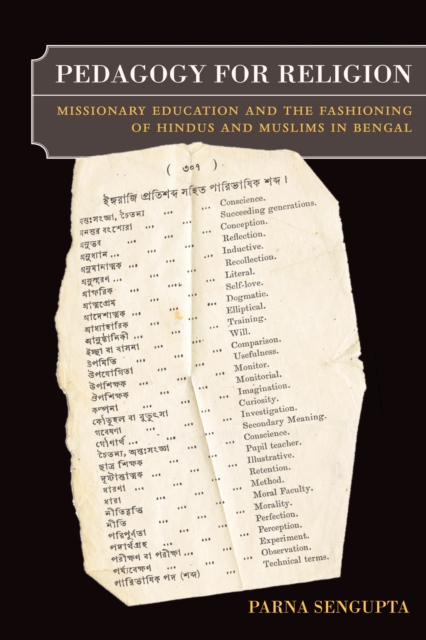
Offering a new approach to the study of religion and empire, this innovative book challenges a widespread myth of modernity-that Western rule has had a secularizing effect on the non-West-by looking closely at missionary schools in Bengal.
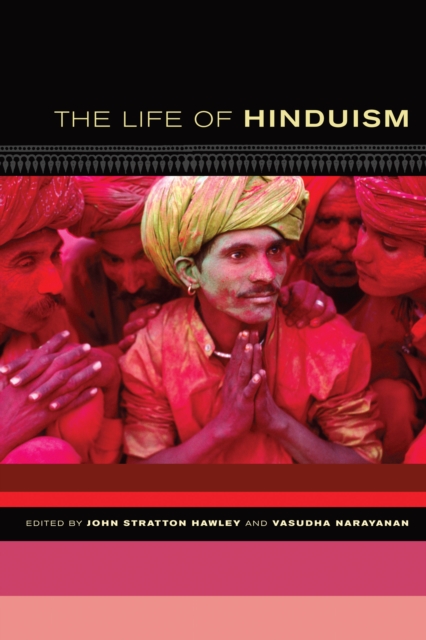
The Life of Hinduism brings together a series of essays-many recognized as classics in the field-that present Hinduism as a vibrant, truly "e;lived"e; religion.
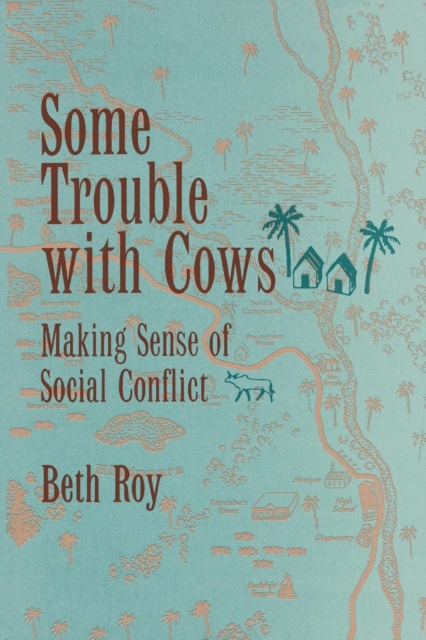
Fascinating in its combination of personal stories and analytical insights, Some Trouble with Cows will help students of conflict understand how a seemingly irrational and archaic riot becomes a means for renegotiating the distribution of power and rights in a small community.
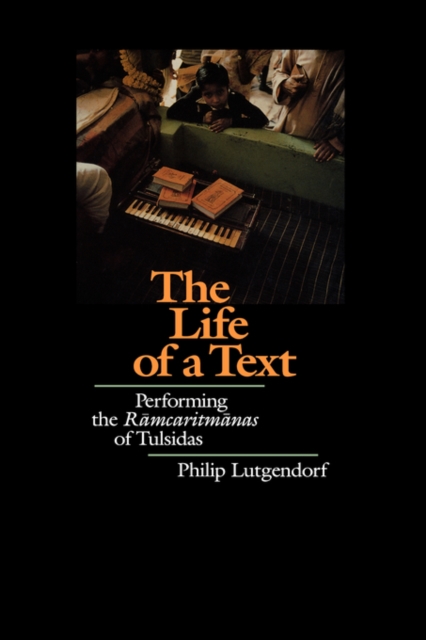
The Life of a Text offers a vivid portrait of one community's interaction with its favorite text-the epic Ramcaritmanas-and the way in which performances of the epic function as a flexible and evolving medium for cultural expression.
A richly diverse collection of classical Indian terms for expressing the many moods and subtleties of emotional experienceWords for the Heart is a captivating treasury of emotion terms drawn from some of India's earliest classical languages.
A riveting account of how a popularly elected leader has steered the world's largest democracy toward authoritarianism and intoleranceOver the past two decades, thanks to Narendra Modi, Hindu nationalism has been coupled with a form of national-populism that has ensured its success at the polls, first in Gujarat and then in India at large.