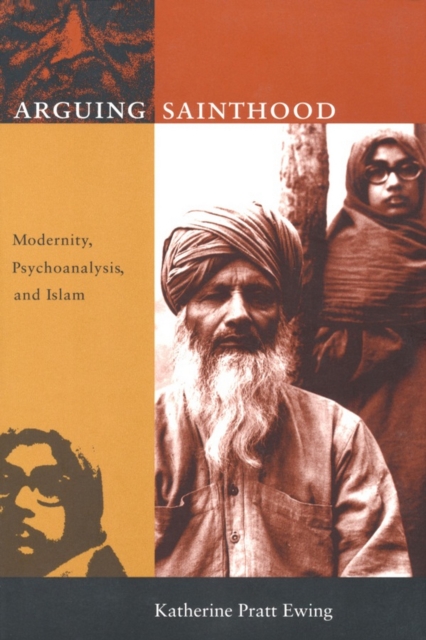
In Arguing Sainthood, Katherine Pratt Ewing examines Sufi religious meanings and practices in Pakistan and their relation to the Westernizing influences of modernity and the shaping of the postcolonial self.
This book examines the socio-political histories, religio-political agendas and politico-militant (and for some, non-violent) strategies of institutions of political Islam in Bangladesh.
The Deoband movementa revivalist movement within Sunni Islam that quickly spread from colonial India to Pakistan, Afghanistan, Bangladesh, and even the United Kingdom and South Africahas been poorly understood and sometimes feared.
The surprising similarities in the rise and fall of the Sunni Islamic and Roman Catholic empires in the face of the modern stateCoping with Defeat presents a historical panorama of the Islamic and Catholic political-religious empires and exposes striking parallels in their relationship with the modern state.
Image and sensing have been underrated in Western thought but have come into their own since the Romantic movement and have always been valued by poets and mystics.
The implicit background of this book consists of an optimistic approach to creating mind forms that improve the condition of humanity, deriving from the legends of Christ and the Buddha and the experiences of mystics in both Eastern and Western cultures, as well as from psychoanalytic thought.
Image and sensing have been underrated in Western thought but have come into their own since the Romantic movement and have always been valued by poets and mystics.
The implicit background of this book consists of an optimistic approach to creating mind forms that improve the condition of humanity, deriving from the legends of Christ and the Buddha and the experiences of mystics in both Eastern and Western cultures, as well as from psychoanalytic thought.
It has been argued that the mystical Sufi form of Islam is the most sensitive to other cultures, being accommodative to other traditions and generally tolerant to peoples of other faiths.
It has been argued that the mystical Sufi form of Islam is the most sensitive to other cultures, being accommodative to other traditions and generally tolerant to peoples of other faiths.
Published in 1999, this book analyses the development of the recent cultural trend represented by the newer Islamic movements among Muslim immigrants in Western Europe.
Published in 1999, this book analyses the development of the recent cultural trend represented by the newer Islamic movements among Muslim immigrants in Western Europe.
Reveals the secret teachings of the Khwajagan, the Masters of Wisdom of Turkish Sufism Provides biographies for the entire lineage of teachers in the Naqshbandi order, such as Yusuf Hamdani, the first recognized Khwajagan, and Baha al-Din Naqshband, from whom the Naqshbandi order of Sufis took its name Shows that this spiritual path focuses on expanding awareness of the heart to reach God-consciousness An essential guide for understanding Itlak Yolu, the Sufi path of Absolute Liberation, and fana, Annihilation in God Almost one thousand years ago a new and powerful nexus of spiritual transmission emerged in Central Asia and lasted for five centuries, reaching its culmination in the work of the Khwajagan, or Masters of Wisdom.
An exploration of the profound Sufi practice of Itlak Yolu Examines the three main facets of this practice: zikr or breathing exercises, fasting, and mental suffering Shares new Sufi parables, the sayings of Sufi master Hasan Lutfi Shushud, and Rumis philosophy on annihilation of the Self Reveals how once the Self is annihilated higher levels of perception are reached In this exploration of the profound spiritual practice of Itlak Yolu, the Sufi path of annihilation, Nevit Ergin examines the three main facets of this path: zikr or breathing exercises, fasting, and mental suffering.
An original study of the transformation of Safavid Persia from a majority Sunni country to a Twelver Shi'i realm"e;Mysticism"e; in Iran is an in-depth analysis of significant transformations in the religious landscape of Safavid Iran that led to the marginalization of Sufism and the eventual emergence of 'irfan as an alternative Shi'i model of spirituality.
The first collection of poems translated into English from the forbidden volume of the Divan of Rumi Presents Rumis most heretical and free-form poems Includes introductions and commentary that provide both 13th-century context and modern interpretationAfter his overwhelming and life-altering encounters with Shams of Tabriz, Rumi, the great thirteenth-century mystic, poet, and originator of the whirling dervishes, let go of many of the precepts of formal religion, insisting that only a complete personal dissolving into the larger energies of God could provide the satisfaction that the heart so desperately seeks.
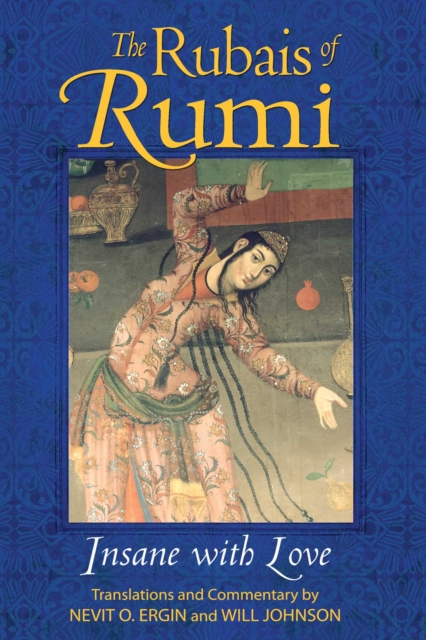
The first English translation of the rubais of Rumi Presents 233 of the most evocative of Rumis 1,700 rubais Shows that the mystical embrace is the way to directly experience the Divine Rumi is well known for the over 44,000 verses that appear in a 23-volume collection called the Divan-i Kebir.
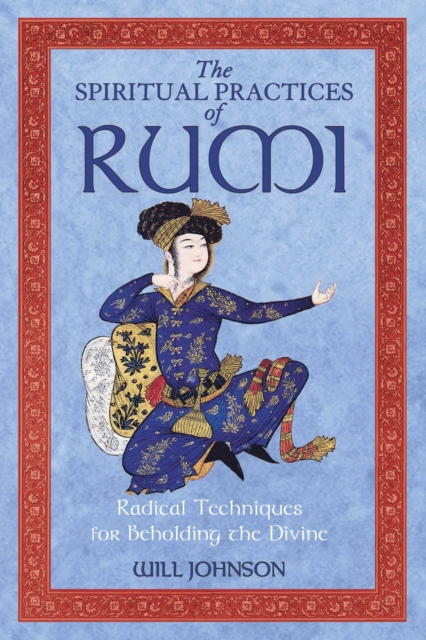
The secret Rumi found in beholding the Divine in his sacred relationship with Shams-i-Tabriz Shows how, in 1244, Sufi poet and mystic Jalaluddin Rumi was first brought to a state of ecstatic union with the cosmos and all its creatures Reveals the radical spiritual practice Rumi formulated in his private retreat with the mendicant seeker Shams-i-Tabriz Uses the poetry and prose of Rumi to explain how to come face-to-face with the Divine One of the most extraordinary events in the history of Sufism occurred in 1244 when the Sufi poet and mystic Jalaluddin Rumi met a wandering seeker named Shams-i-Tabriz.
Poems and commentary that open the door for a new generation to experience the ecstatic and embodied spiritual truths contained in Rumis poetry Reveals how the four practices of eating lightly, breathing deeply, moving freely, and gazing intently can invoke the divinity within us all Explains how these practices dissolve the selfs need for identity so that we may experience a state of transcendent ecstasy and union with the divine Takes Rumis path to finding God from theoretical to embodied practices The great thirteenth-century Sufi mystic and poet Jalaluddin Rumi began his life as an orthodox Islamic believer but felt that to fully experience complete union with the divine he must abandon institutionalized religion and its prescribed forms of worship.