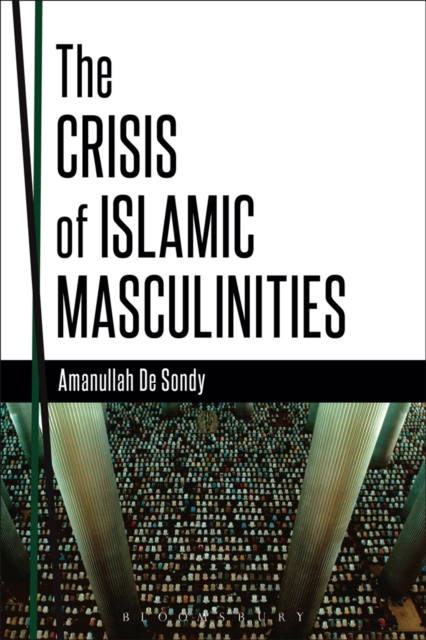
Written by an Egyptian human rights lawyer, it is the first English-language account of the development of tensions between violent and non-violent factions in radical Islamist movements, from the perspective of an insider.
In many communities across the world traditional beliefs and practices are passed down generations and are a feature of day-to-day life, despite the influence of outside sources.
In many communities across the world traditional beliefs and practices are passed down generations and are a feature of day-to-day life, despite the influence of outside sources.
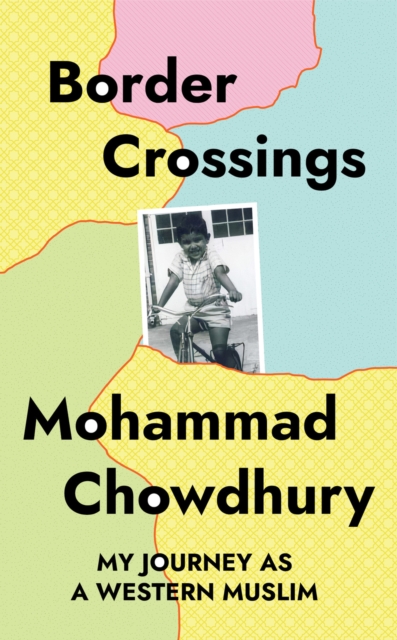
'His marginalisation in dual cultures ascribed to him allows him a brilliant birds-eye view of both, which he employs in his bid to untangle the cultural mindsets he comes across' Muslim News'Offers invaluable insights into how a modern cosmopolitan navigates the complex and delicate contours of faith, identity and belonging in an otherwise globally, interconnected world' Ekow Nelson, reimaginingWhether negotiating the mind-games of the Israeli intelligence services or performing ablutions in a London bathroom, Mohammad Chowdhury's life as a British Muslim travelling the world brings daily challenges.
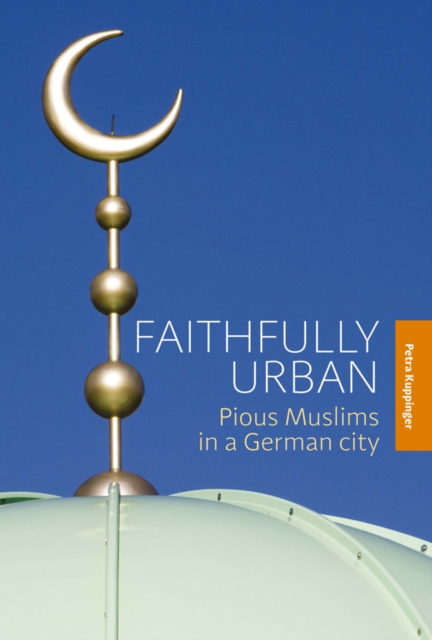
In the southern German city of Stuttgart lives a pious Muslim population that has merged with the local population to create a meaningful shared existence.
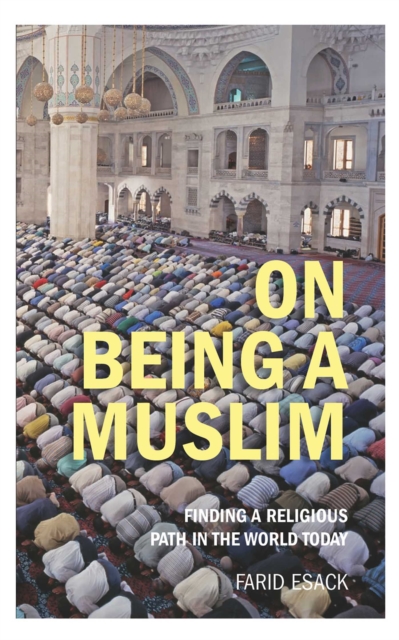
A personal account of Muslim life in the modern world and the trials it raisesFunny, challenging, controversial, passionate and unforgiving, this is an unprecedented personal account of a Muslim's life in the modern world.
Discover Your Place in the Movement of GodAn incredible breakthrough in missions history is taking place as disciples of Jesus make more disciples of Jesus around the globe, particularly among the least-reached.
Chart a Path for Language SuccessAre you excited to minister in another culture, but worried about how best to learn the language of the people you are going to serve?
A God-Designed Generation for a God-Given TaskThe scale and scope of the global, technological, and cultural changes of the past two decades are unprecedented.
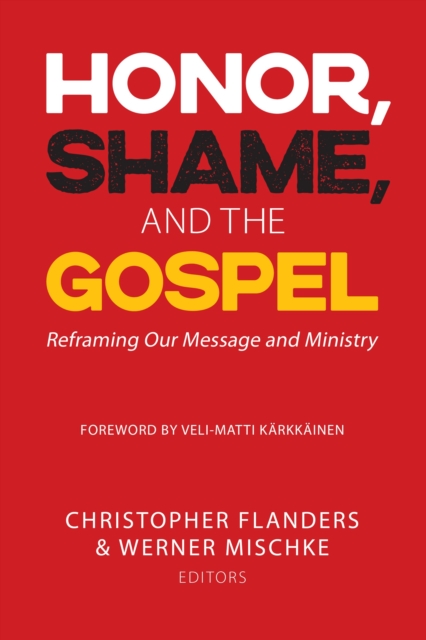
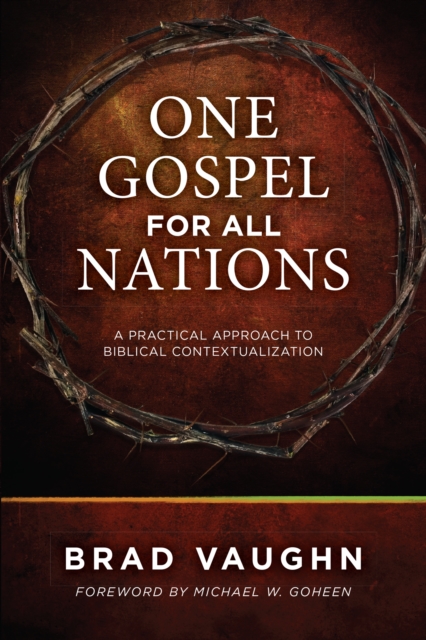
An Honorific Gospel: Biblically Faithful & Culturally RelevantChristians engaged in communicating the gospel navigate a challenging tension: faithfulness to Gods ancient, revealed Wordand relevance to the local, current social context.
A Bible Study of God's Motivations for MissionsThis newly revised classic workbook features updated resources to help readers better understand the needs and growth of missions today.
We're In This TogetherIn Sacred Siblings: Valuing One Another for the Great Commission we learn about how teams come together with varying expectations of what team life should be.
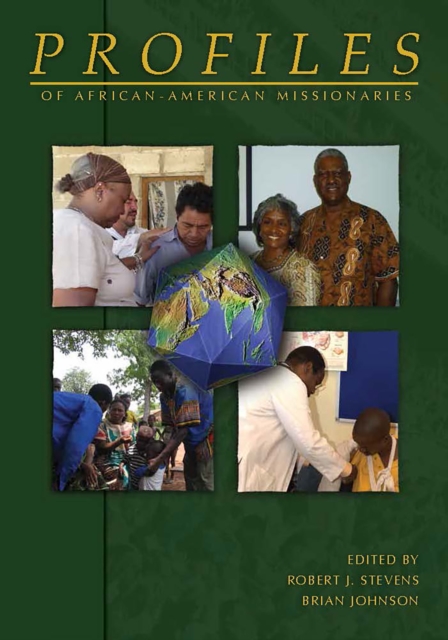
Profiles of African-American Missionaries features the lives and ministries of the great African-Americans who have gone to the world with the message of Christ.
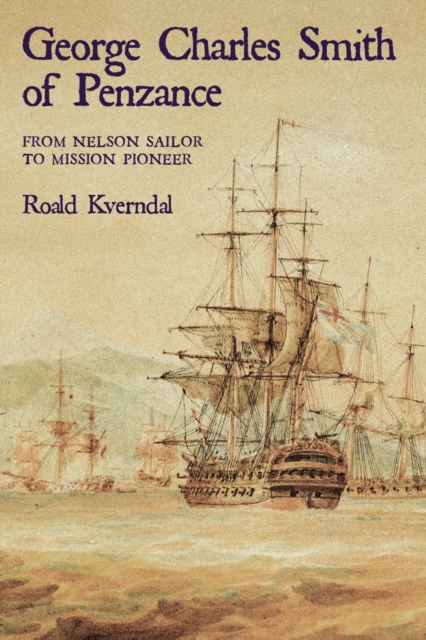
In the two previous books of his trilogy, Seamen's Missions (1986) and The Way of the Sea (2008), the author researched how the seafarers' mission movement began and expanded.
Girls and Our DestinyShaping the Future includes a global overview of girl child issues stemming from gender discrimination and explores the root causes for this disparity.
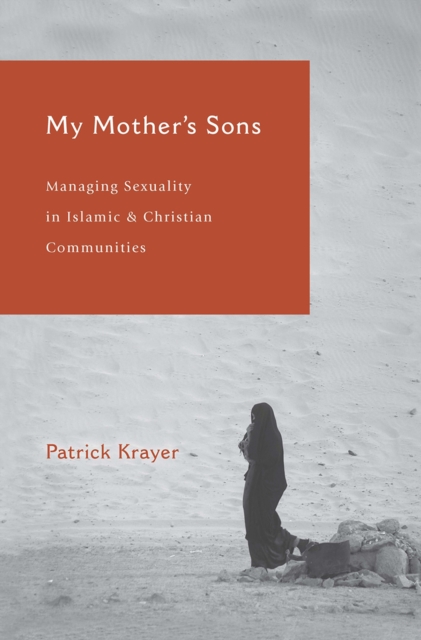
Managing Sexuality in Islamic and Christian CommunitiesMy Mothers Sons provides a thoughtful model for how Western Christian workers can respectfully negotiate sexual boundaries and norms in Muslim contexts.
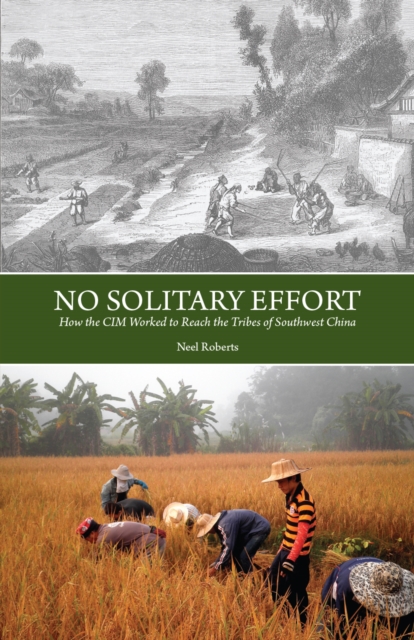
How the CIM Worked to Reach the Tribes of Southwest ChinaNo Solitary Effort describes how members of the China Inland Mission engaged the tribes of Southwest China as part of their comprehensive plan to evangelize all of China from 1865 to 1951.
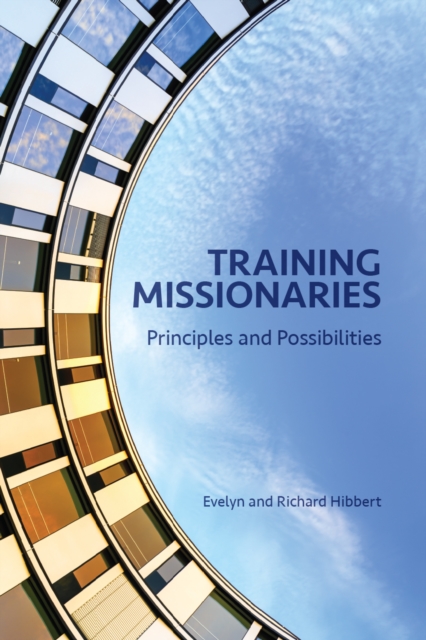
Principles and PossibilitiesMissionaries must know God, be able to relate well to other people, understand and engage with another culture, and be able to use the Bible in a way that informs all aspects of their lives and ministries.
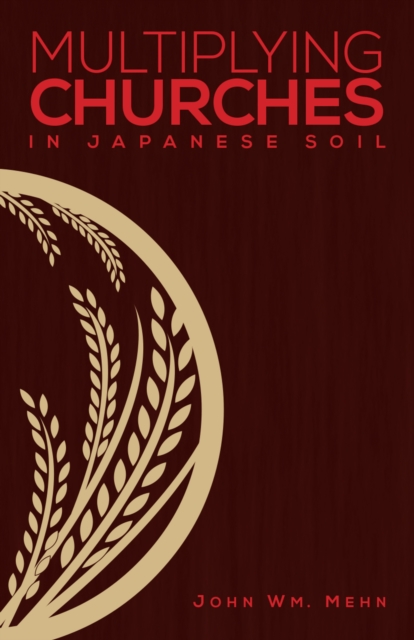
Hope and Strategy for Multiplying Churches in Japans Unreached FieldsSince the beginning of missionary efforts in Japan in the sixteenth century, the Japanese church has experienced periods of quiet flourishing and periods of intense persecution.
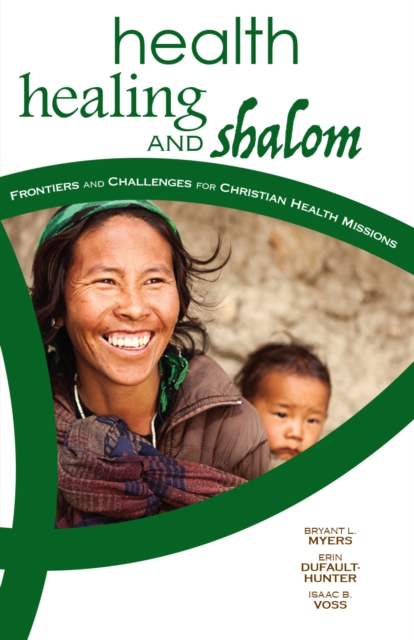
Frontiers and Challenges for Christian Healthcare MissionsEver since Jesuss proclamation in word and deed as the Great Physician, his followers in mission have assumed that salvation and health are intertwined.