Joy and Perseverance for Women in Cross-Cultural MinistryMore Screams, Different Deserts is another invitation to join Sue on her adventures in cross-cultural living and biblical studies that have helped her along the way.
A Generation Faces a Global Challengehis book focuses on the passing of the torch in cross-cultural missions and church ministry to the Millennial generation.
Reflections and Case Studies in Contextualization for the Whole ChurchGlobal Mission is divided into two sections: the first, Reflections and Foundations, comprises nine essays of a more general nature; the second, Contextualization at Work, contains twenty one essays of a more specific nature, most of them case studies from a particular location and people group.
Cultivating Christ-Centered Leaders in a Storycentric GenerationEighty percent of the worlds peopleincluding seventy percent of Americansare storycentric communicators; that is, they prefer to learn and are most likely to be influenced through stories, pictures, drama, and music rather than through reading and writing.
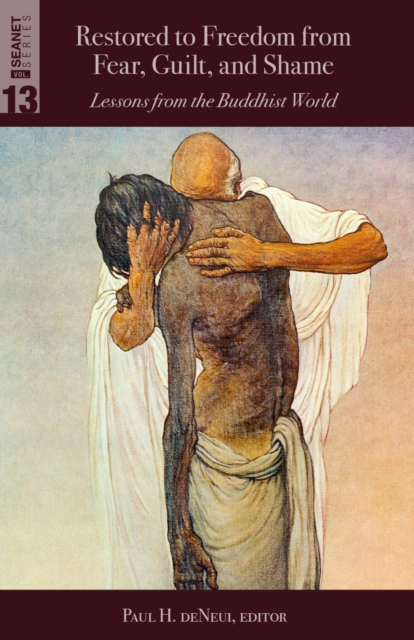
Lessons from the Buddhist WorldSEANET proudly presents Restored to Freedom from Fear, Guilt, and Shame, volume 13 in its series on intercultural and inter-religious studies.
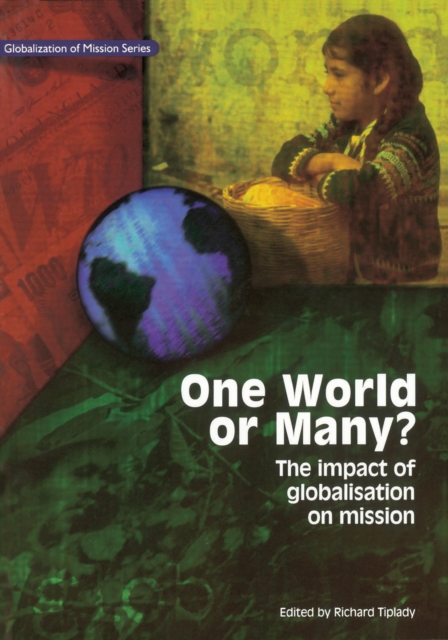
The Impact of Globalisation on MissionThis book considers in detail the key drivers of globalization, its contemporary shape, and its implications for world mission.
The Unfinished TaskIt all started when Ralph Winter gave an address at Lausanne called The Unfinished Task, urging the missions world to focus on a new type of evangelism to reach hidden or unreached peoples.
Negotiating Cross-Cultural Issues in MinistryFrontline Women is a collection of writings on womens issues from those who have had mission field experience.
A Framework for Transformational Thinking about the Future of World MissionOur world is changing: mass migrations, the emergence of mega-cities, globalization, travel, and ubiquitous connectivity.
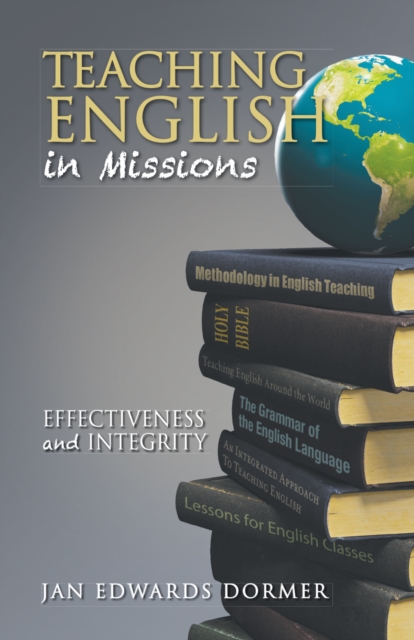
How to Be a Teacher with Convictions while Respecting Those of Your StudentsThis handbook is for people in the field of English language teaching who are looking for practical ways to be both committed followers of Jesus and ethical TESOL professionals.
An Ethnodoxolgy HandbookWorship and Mission for the Global Church offers theological reflection, case studies, practical tools, and audiovisual resources to help the global church appreciate and generate culturally appropriate arts in worship and witness.
Women Mystics and Sufi Shrines in India combines historical data with years of ethnographic fieldwork to investigate women's participation in the culture of Sufi shrines in India and the manner in which this participation both complicates and sustains traditional conceptions of Islamic womanhood.
Basing himself on Said Nursi's Risale-i Nur, Ali Unal presents a scientific and logical argument for the validity of one of religion's main elements of faith: belief in the resurrection and the afterlife.
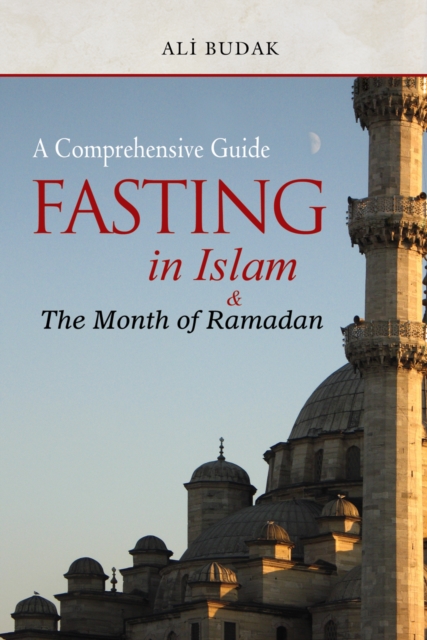
This book seeks to eplore the divine institution of fasting in Islam by providing comprehensive information on its place in the Islamic doctrine and on the month of Ramadan in which fasting is observed.
Poems from the Divan of Hafiz gathers forty-three ghazals by the fourteenth-century Persian poet Hafiz of Shiraz, in Gertrude Bell's celebrated 1897 translation.
In this graphic memoir, the National Book Award finalist shares her "e;frank, funny"e; story of finding a husband as an observant Muslim woman in America (NPR Morning Edition).
This book examines how global policies designed to prevent extremism have shaped religious and security governance in Tunisia in recent years, focusing on local programmes for training imams.
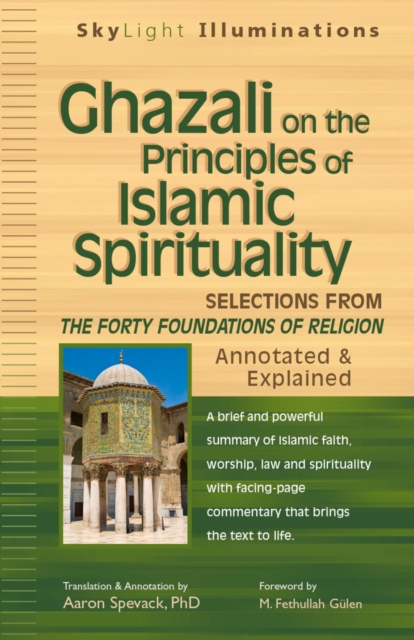
Within the broad contours of Islamic traditions, Muslims are enjoined to fast during the month of Ramadan, they are invited to a disciplined practice of prayer, and they are offered the Quran as the divine revelation in the most beautiful verbal form.
The post-Christian West is in decline, revived Islam is on the rise, and Mesopotamia (Syria-Iraq), the cradle of civilization, has become ground zero in a battle for civilization.
In Queer Companions Omar Kasmani theorizes saintly intimacy and the construction of queer social relations at Pakistan's most important site of Sufi pilgrimage.