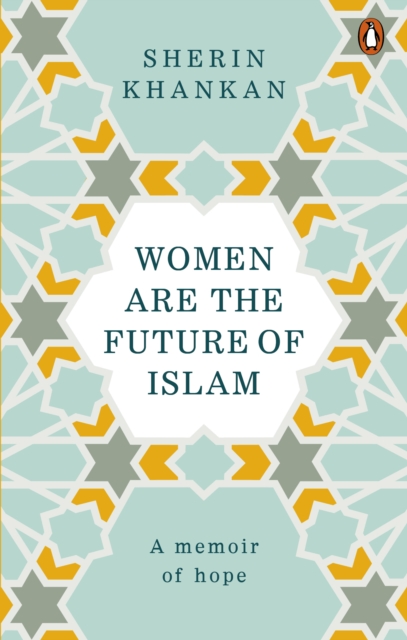
'We will change things from within' Sherin Khankan is a pioneer, founding the first mosque for women in Europe and leading the way for a more progressive form of Islam.
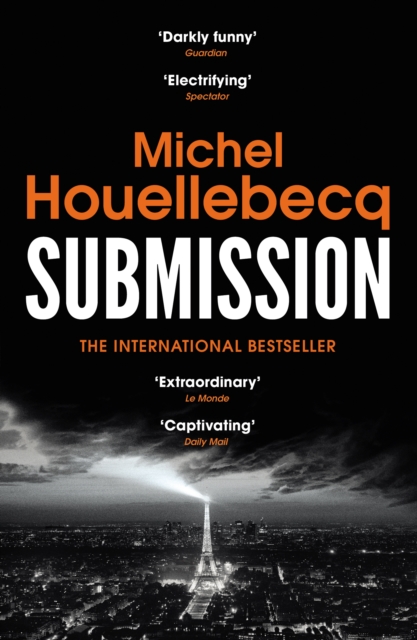
As the 2022 French Presidential election looms, two candidates emerge as favourites: Marine Le Pen of the Front National, and the charismatic Muhammed Ben Abbes of the growing Muslim Fraternity.
On the Arab Revolts and the Iranian Revolution: Power and Resistance Today is the first comparative analysis of two central political events that have altered our world forever: the Arab uprisings which started in Tunisia, and the Iranian revolution in 1979.
Remaking Politics, Markets, and Citizens in Turkey critically analyses the travel of neoliberal ideas, policies, experts and institutions from the West to Turkey.
Remaking Politics, Markets, and Citizens in Turkey critically analyses the travel of neoliberal ideas, policies, experts and institutions from the West to Turkey.
On the Arab Revolts and the Iranian Revolution: Power and Resistance Today is the first comparative analysis of two central political events that have altered our world forever: the Arab uprisings which started in Tunisia, and the Iranian revolution in 1979.
Este volumen pretende ser un acercamiento a algunos de los problemas de bioética abordados desde la tradición del mundo musulmán contemporáneo, contemplados desde dos factores cruciales de la tradición del mundo religioso islámico: los dichos del Profeta o hadices yel mundo de la legislación religiosa, la sharia.
The analysis of lunar crescent visibility criterion is vital in providing a comparative insight for predicting the visibility and suitability for Hijri calendar determination.
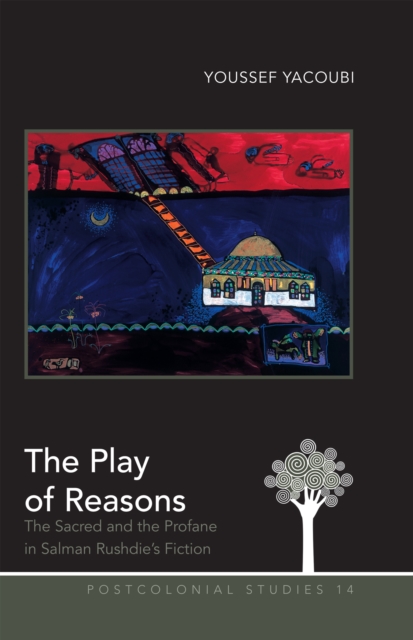
The Play of Reasons argues that Salman Rushdie's eclectic and hybridized work can be situated within an Islamic genealogy of theological and literary traditions.
This remarkable book brings to an English-speaking audience detailed scholarship originally conceived and written in the Malay language and with a Malay perspective.
Inter-religious Practices and Saint Veneration in the Muslim World studies the immortal saint Khidr/Khizr, a mysterious prophet and popular multi-religious figure and Sufi master venerated across the Muslim world.
This book explores the everyday life of Muslims in late imperial China proper ("e;Sino-Muslims"e;), revealing how they integrated themselves into Chinese society, while also maintaining distinct Islamic features.
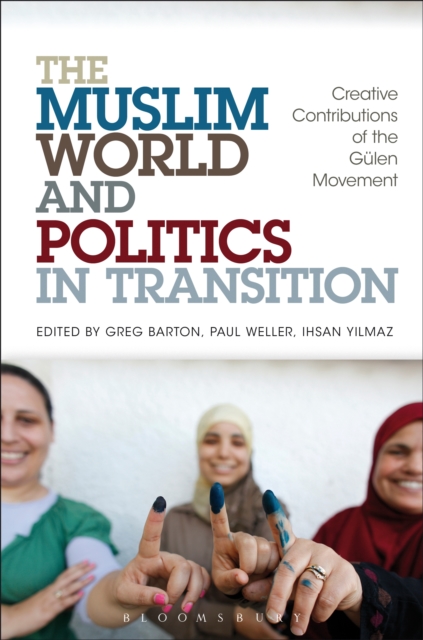
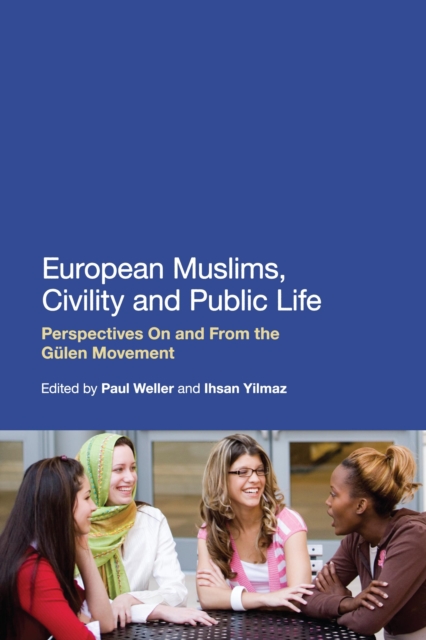
As a leading movement in contemporary Turkey with a universal educational and inter-faith agenda, the Gülen movement aims to promote creative and positive relations between the West and the Muslim world and to articulate a critically constructive position on such issues as democracy, multi-culturalism, globalisation, and interfaith dialogue in the context of secular modernity.
This volume is centred around the theme of veiling in Islam and provides multifarious aspects of the discussion regarding veiling of Muslim women, especially in the West.
This volume is centred around the theme of veiling in Islam and provides multifarious aspects of the discussion regarding veiling of Muslim women, especially in the West.
This collection deals with challenges and opportunities faced by Muslims and the wider society in Europe following the Madrid train bombings of 2004 and the London Transport attacks of 2005.
As a leading movement in contemporary Turkey with a universal educational and inter-faith agenda, the Gülen movement aims to promote creative and positive relations between the West and the Muslim world and to articulate a critically constructive position on such issues as democracy, multi-culturalism, globalisation, and interfaith dialogue in the context of secular modernity.
This collection deals with challenges and opportunities faced by Muslims and the wider society in Europe following the Madrid train bombings of 2004 and the London Transport attacks of 2005.
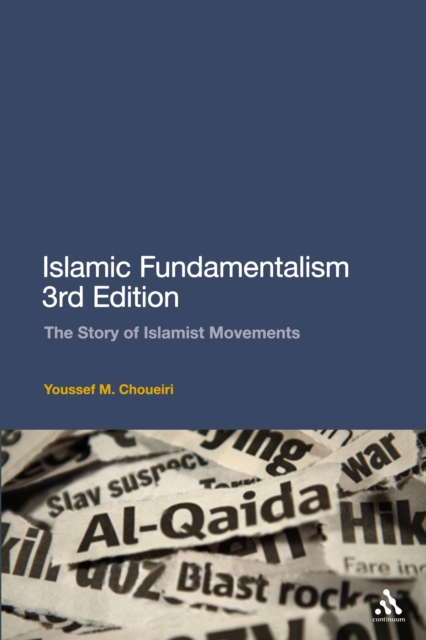
The world of Islamic fundamentalism has become, more or less, a daily preoccupation, not only of journalists and scholars, but, more importantly, of almost all governments and security services across the globe.
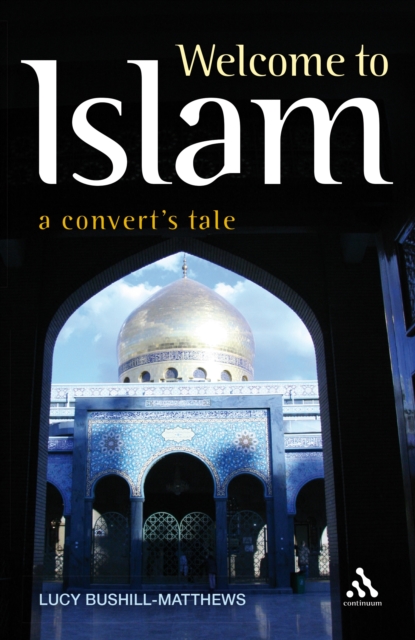
Written by a Muslim convert and mother of three, Welcome to Islamcaptures the occasionally poignant but often humorous reality of beinga Muslim in the current climate: as a convert, a working woman, amother, and as an active member of the local community.
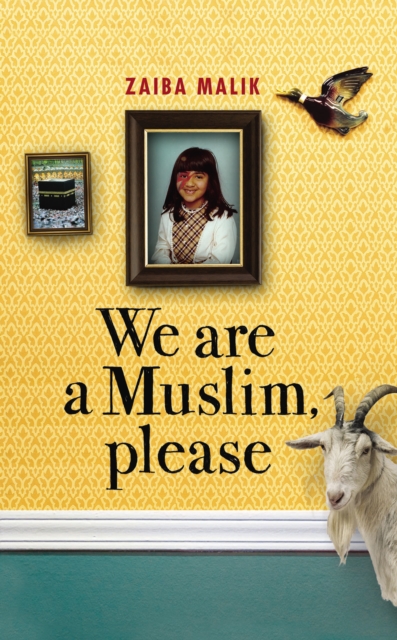
For Zaiba Malik, growing up in Bradford in the '70s and '80s certainly has its moments - staying up all night during Ramadan with her father; watching mad Mr Aziz searching for his goat during Eid; dancing along to Top of the Pops (so long as no-one's watching).
INTRODUCED BY WILLIAM ATKINS, author of The Immeasurable World 'I am merely an eccentric, a dreamer who wishes to live far from the civilized world, as a free nomad.
This is the fourth publication originating from the conference Legacy of Slavery and Indentured Labour: Past, Present and Future, which was organised in June 2013 by the Institute of Graduate Studies and Research (IGSR), Anton de Kom University of Suriname.
This is the fourth publication originating from the conference Legacy of Slavery and Indentured Labour: Past, Present and Future, which was organised in June 2013 by the Institute of Graduate Studies and Research (IGSR), Anton de Kom University of Suriname.
Said Nursi (1877-1960) was an advocate of a form of Islam strongly committed to non-violence and constructive engagement with the West and Christianity.
Said Nursi (1877-1960) was an advocate of a form of Islam strongly committed to non-violence and constructive engagement with the West and Christianity.