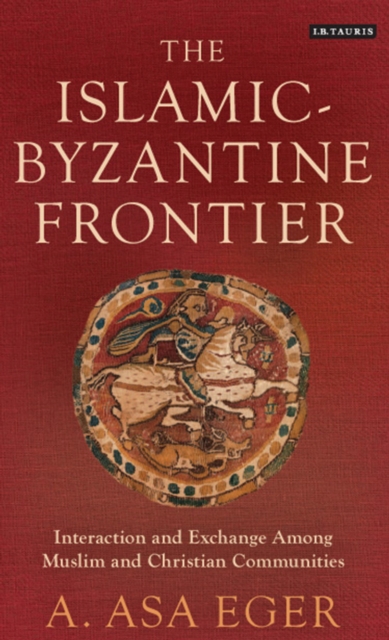
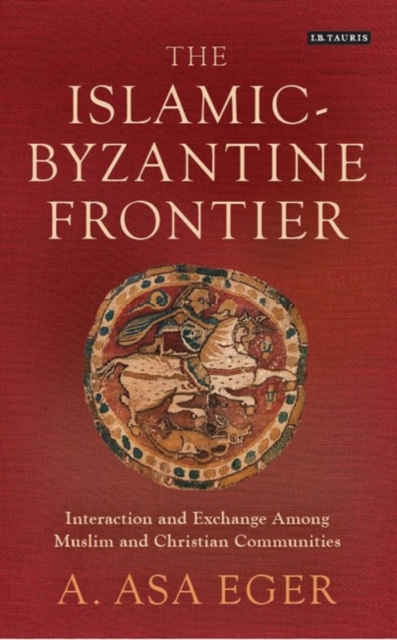
The retreat of the Byzantine army from Syria in around 650 CE, in advance of the approaching Arab armies, is one that has resounded emphatically in the works of both Islamic and Christian writers, and created an enduring motif: that of the Islamic-Byzantine frontier.
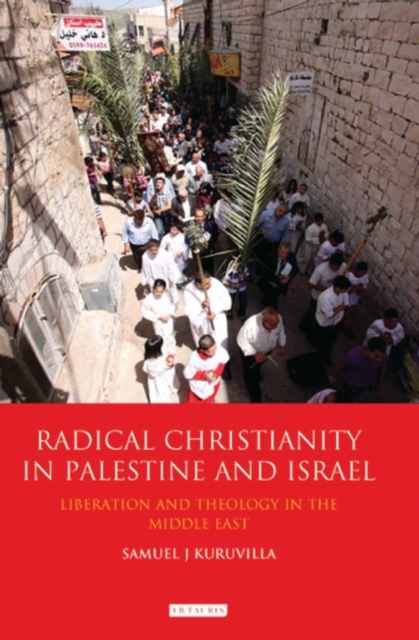
Christianity arose from the lands of biblical Palestine and, regardless of its twentieth century associations with the Arab-Israeli conflict, to Christians around the world it remains first and foremost the birthplace of Christianity.
The fullest account ever written of the fascinating nexus between Islam and Time, this is a major contribution to the wider history of ideas and religion.
Philip Kennedy, here, offers the first book that any student - with or without religious convictions - can profitably use to get quickly to grips with the essentials of the Christian religion: its history and its key thinkers, its successes and its failures.
Passed into law over a decade before the Revolution, the Family Protection Law quickly drew the ire of the conservative clergy and the Ayatollah Khomeini in 1979.
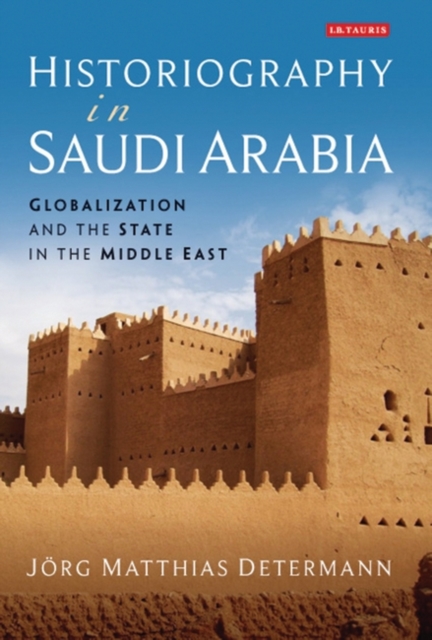
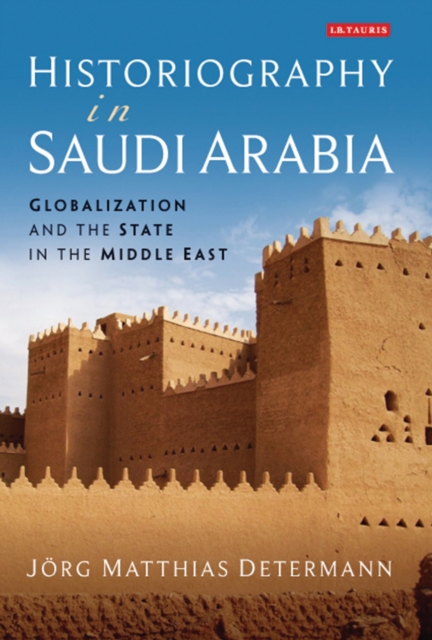
The common image of Saudi Arabia portrays a country where religious rules dictate every detail of daily life: where women may not drive; where unrelated men and women may not interact; where the latter veil their faces; and where banks, restaurants and cafes have dual facilities: one for families, another for men.
Saudi Arabia is generally and justifiably viewed as a country with the fewest democratic institutions and the weakest traditions of pluralism in the world.
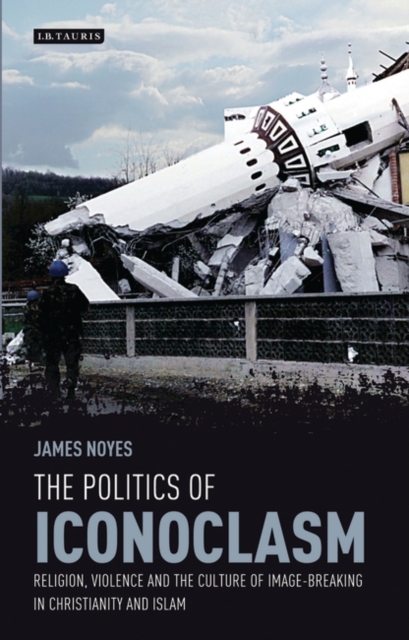
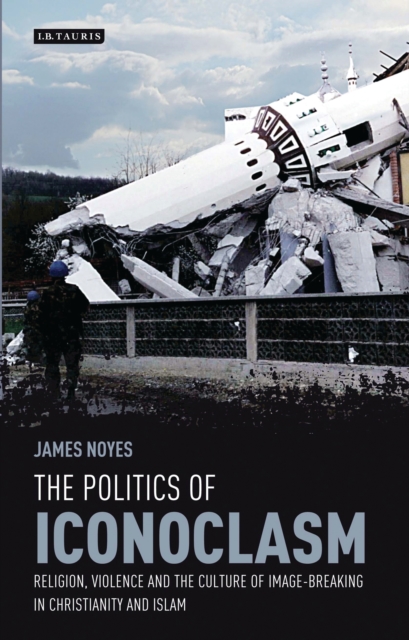
From false idols and graven images to the tombs of kings and the shrines of capitalism, the targeted destruction of cities, sacred sites and artefacts for religious, political or nationalistic reasons is central to our cultural legacy.
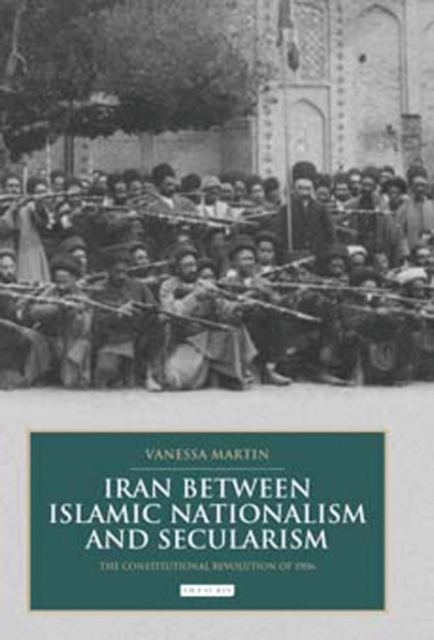
With the ratification of a new constitution in December 1906, Iran embarked on a great movement of systemic and institutional change which, along with the introduction of new ideas, was to be one of the most abiding legacies of the first Iranian revolution - known as the Constitutional Revolution.
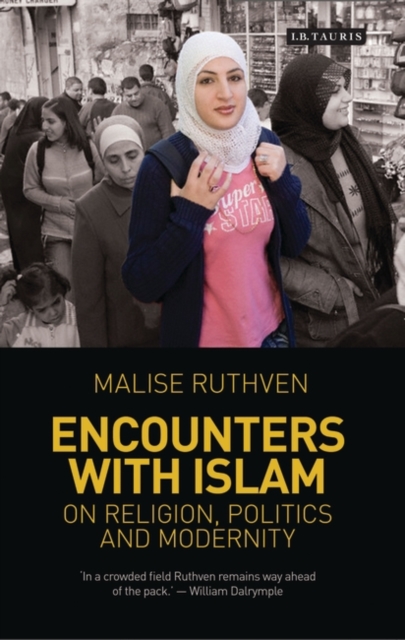
For many years Malise Ruthven has been at the forefront of discerning commentary on the Islamic world and its relations with the predominantly secularised and Christian societies of the West.
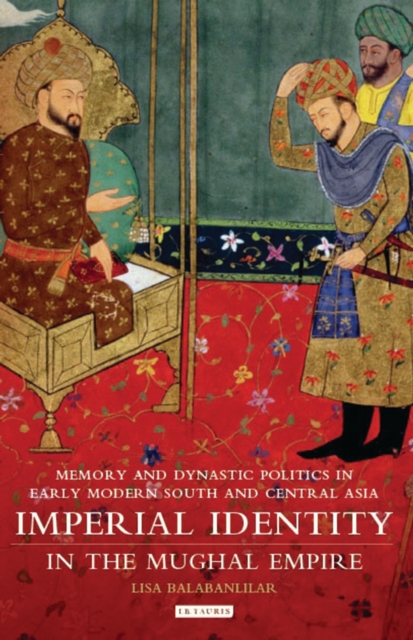
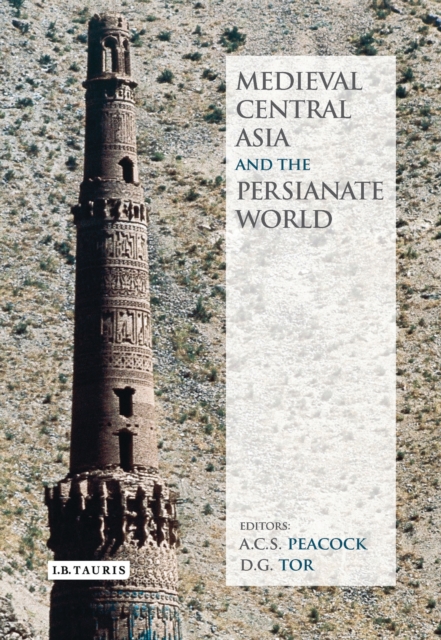
Having monopolized Central Asian politics and culture for over a century, the Timurid ruling elite was forced from its ancestral homeland in Transoxiana at the turn of the sixteenth century by an invading Uzbek tribal confederation.
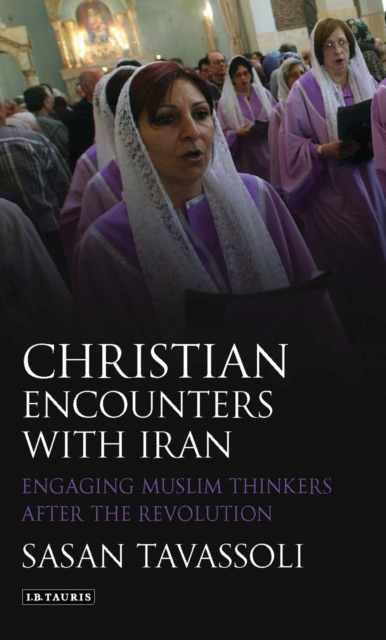
The interface between the current Shi'ite landscape and Christian thinking is of the greatest significance for the shifting political and religious dynamics of the Middle East.
In this magisterial work, Sami Zubaida draws on a distinguished career's worth of experience trying to understand the region to address the fundamental question in Middle East studies: what is the Middle East?
The retreat of the Byzantine army from Syria in around 650 CE, in advance of the approaching Arab armies, is one that has resounded emphatically in the works of both Islamic and Christian writers, and created an enduring motif: that of the Islamic-Byzantine frontier.
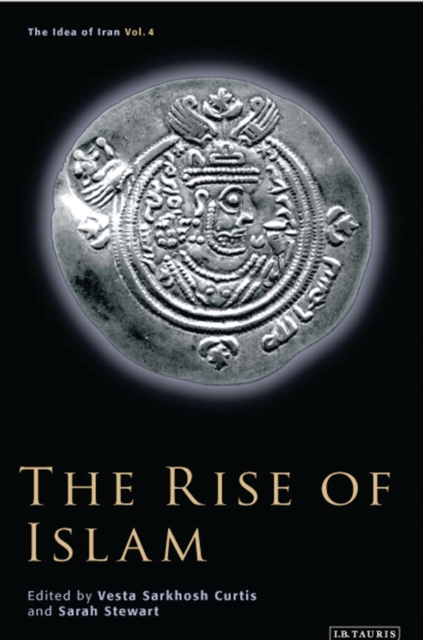
This final volume in the successful series "The Idea of Iran" addresses the astonishing impact made by Islam during and after the Arab conquest of Iran in the middle of the seventh century.
From false idols and graven images to the tombs of kings and the shrines of capitalism, the targeted destruction of cities, sacred sites and artefacts for religious, political or nationalistic reasons is central to our cultural legacy.